
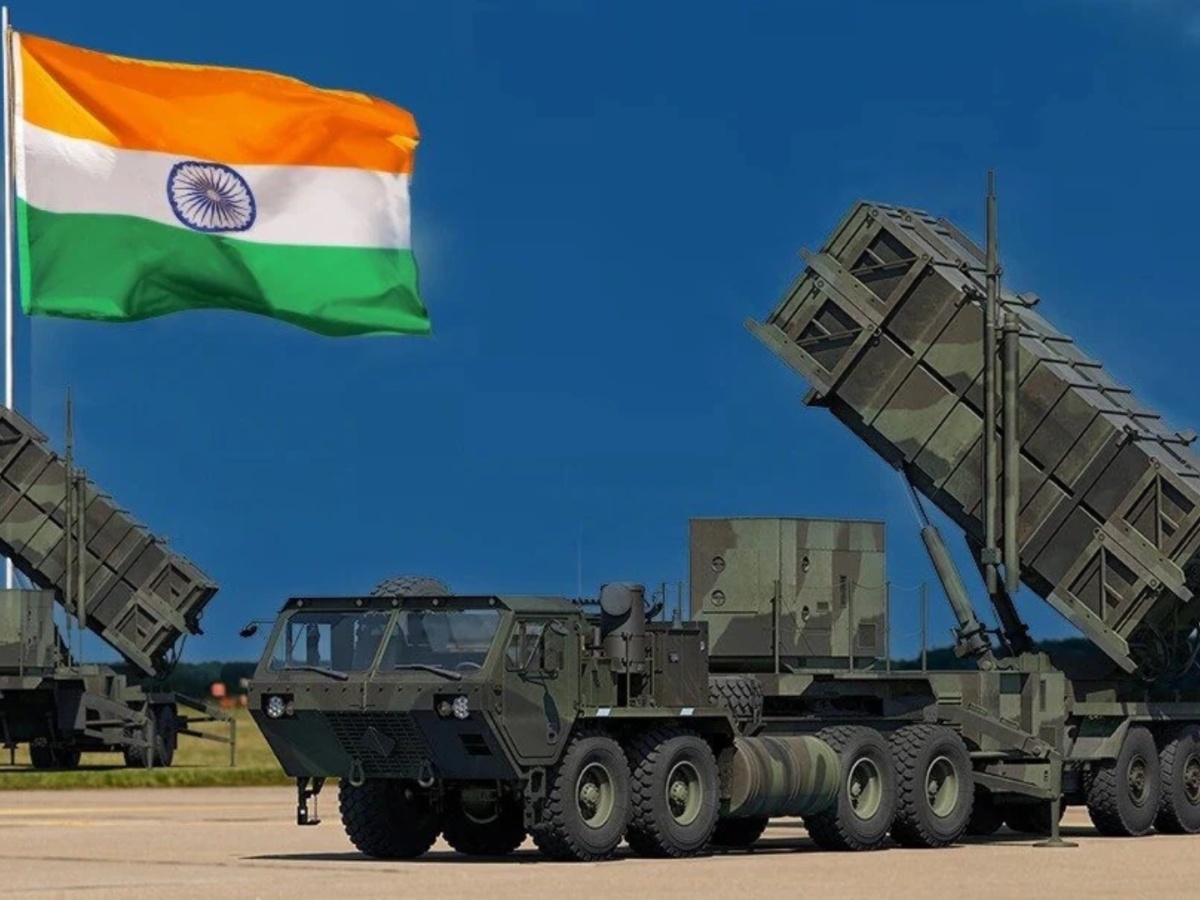
India’s military journey from 1947 to 2025 is a story of courage, adaptation, and strategic reform. From the first war for Kashmir in 1947 exposed the fragility of a young nation’s defences to Operation Sindoor in 2025 proved India could launch precise, high-tech joint operations. This transformation was not sudden it came through five major shifts: moving from imports to self-reliance, redefining nuclear strategy, learning from wars, integrating joint-force operations, and building a modern, inclusive force.
1. From Imports to Self-Reliance
After Independence, India depended on foreign arms—MiG jets from Russia, howitzers from Sweden, even rifles and boots from abroad. This created delays and vulnerability to diplomatic pressure.
Since 2021, India has reduced this dependence whereas the government banned imports of over 3,000 defence items, from drones and radars to vehicles. Domestic firms and startups now partner with state agencies to build advanced systems. Tamil Nadu’s Zuppa and Garuda produce UAVs for military use.
Read More: The Birth of a Nation: How Pakistan Came Into Being?
Defence exports have surged from Rs700 crore a decade ago to over Rs23,000 crore last year, with countries like Armenia and Vietnam buying Indian weapons. In Operation Sindoor, indigenous BrahMos missiles and Akash air defence systems played a central role.
2. The Nuclear Reset
Until 1998, India maintained nuclear ambiguity that changed with Operation Shakti at Pokhran, when five nuclear tests confirmed capability. After the tests, India made a nuclear policy that said No First Use, keeping a minimum number of weapons, and putting civilians in control to ensure safe and responsible use.
The tests were done while US satellites were watching, but India avoided detection by using tricks like digging at night and covering activities during the day. After 1998, India built a nuclear triad, including Agni missiles, weapons delivered by aircraft, and submarines for a second-strike capability.
3. Wars That Reshaped the Military
The 1947–48 war in Kashmir showed that India’s army had weak equipment and poor coordination and the 1962 war with China was another warning, which led to important changes in the military.
In 1971, India liberated Bangladesh in just 13 days, resulting in Pakistan’s largest military surrender. The 1999 Kargil War highlighted weaknesses in intelligence and led to the establishment of high-altitude warfare schools, modernised artillery, and glacier combat training.
4. Operation Sindoor and the Joint-Force Era
Post-Kargil reforms brought the Defence Intelligence Agency and Integrated Defence Staff. In 2019, General Bipin Rawat became India’s first Chief of Defence Staff to unify planning.
In 2025, Operation Sindoor showed how well India’s army, navy, and air force could work together and they used BrahMos missiles, Harop drones, loitering munitions, and Rafale jets to carry out precise strikes deep inside Pakistan-controlled areas.
Read More: Countdown To Catastrophe: The Countries With The World’s Biggest Nuclear Arsenals
5. A Force That Reflects the Nation
Today’s military is more inclusive and technologically connected and the National Defence Academy admits women cadets, and over 500 women officers hold permanent commissions. Women led missions in Operation Sindoor, showing leadership across all ranks.
Collaboration now extends beyond the uniform scientists, AI developers, drone engineers, and cybersecurity specialists are part of the defence ecosystem.
From the battles of 1947 to the fully integrated commands of 2025, India’s armed forces have grown into a self-reliant, high-tech, and inclusive military, prepared to face today’s challenges.