Air pollution in Delhi has reached a level that AIIMS experts are calling a “medical emergency,” with hospitals across the capital reporting a sharp rise in pollution-related illnesses affecting people of all ages. Experts caution that common measures like water spraying, face masks, and air purifiers provide only temporary relief and do not address the root problem.
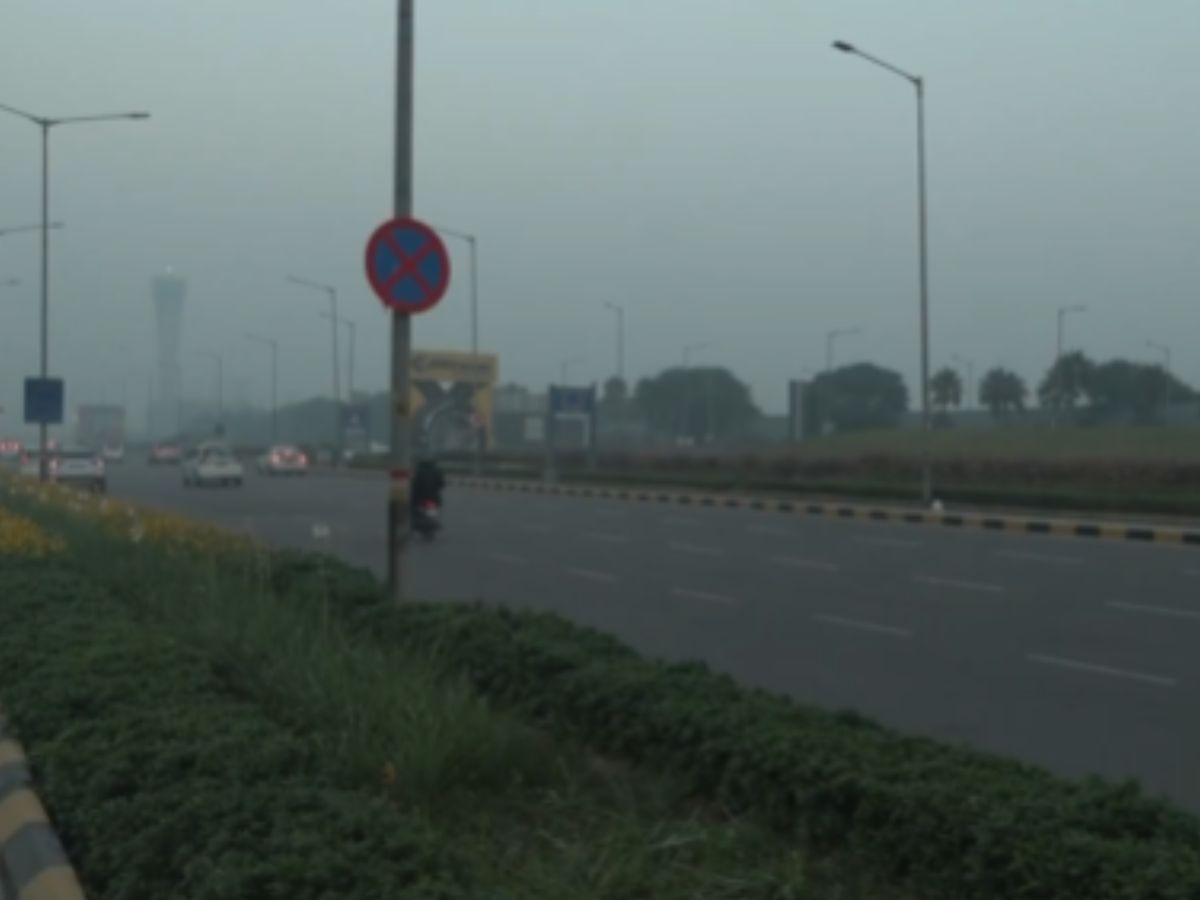
Visuals from IGI Airport Terminal 3 this morning showed the city covered in a thick layer of toxic smog. According to the Central Pollution Control Board (CPCB), the Air Quality Index (AQI) in the area has reached 342, which falls under the ‘Very Poor’ category.
#WATCH | Delhi: Visuals from the IGI T3 this morning as a layer of toxic smog blankets the city. AQI (Air Quality Index) around the area is 342, categorised as ‘Very Poor’, as claimed by CPCB (Central Pollution Control Board). pic.twitter.com/AVn5lWRsNZ
— ANI (@ANI) November 19, 2025
Severe health impacts across all ages Due to Air Pollution
“People know that pollution is bad, but nobody understands the gravity of the damage,” says Dr. Anant Mohan, professor and head of pulmonary medicine and sleep disorders at AIIMS. He said air pollution affects individuals of all ages-from the unborn to the elderly-and impairs the heart, brain, mental health, and almost every system of the body. “We now have clear evidence that it reduces life expectancy and increases mortality,” he added.
Dr. Mohan said that hospital admissions go up steeply with a decline in air quality. “Since Diwali, we have seen a 10-15% rise in respiratory cases across departments such as pulmonary, respiratory medicine, and ophthalmology. Patients are experiencing wheezing, cough, breathlessness, burning eyes, and skin irritation. Even healthy individuals are falling sick, and COPD patients are deteriorating faster.”
#WATCH | Delhi: On Delhi’s air pollution, Dr Anant Mohan, HOD of pulmonary medicine and sleep disorders, AIIMS, says, “The pollution here is absolutely severe and life-threatening. This situation has been going on for the last ten years. We try to do something every time, but in… pic.twitter.com/jgE9lqeVRS
— ANI (@ANI) November 18, 2025
Stopgap Measures Inadequate
Dr. Mohan termed the crisis “grave.” “Delhi is in the middle of a public-health emergency,” he warned. “Temporary fixes won’t save us. The city needs real, long-term solutions, not seasonal quick fixes.”
According to Dr Saurabh Mittal, assistant professor in pulmonary, critical care and sleep medicine, the biggest mistake is that pollution is treated as a winter problem. “We wake up to the crisis only in November. This mindset is part of the problem. Delhi needs year-round action,” he said.
On water spraying by administration tankers, Dr. Mittal said, “It is happening, but on a very low scale. It helps only marginally and cannot be the main strategy.”
Masks and Purifiers Offer Limited Protection
Dr. Mohan emphasized that masks and air purifiers can only protect individuals and are not substitutes for systemic solutions. “These are personal protection measures. Wearing masks, avoiding outdoor exposure during severe pollution, and using purifiers offer limited individual-level protection. They are not complete solutions.
Causes of the Winter Air Crisis
Experts said that various weather conditions and pollution from human activities combine to create Delhi’s winter pollution. Temperature inversion keeps the pollutants near the ground and low-speed, stagnant winds prevent dispersal. “Solutions have to come from decision-making levels and must be implemented rigorously,” said Dr. Mohan.
Rising Cases in Hospitals
Similar trends are being observed in all major hospitals across Delhi. “Pollution-linked cases continue to climb. Patients report cough, breathlessness, burning eyes and throat, and chest congestion. This is no longer limited to older people; small children and young adults are also coming in with wheezing and persistent cough,” said Dr. Akshay Budhraja, senior consultant and head of respiratory and sleep medicine at Aakash Healthcare. Experts explain that every day lost means a further deterioration of health outcomes, while children specifically are already affected by very poor air quality.
Also Read: Delhi Weather Update: Rains to Continue Today-Tomorrow | Yellow Alert by IMD