
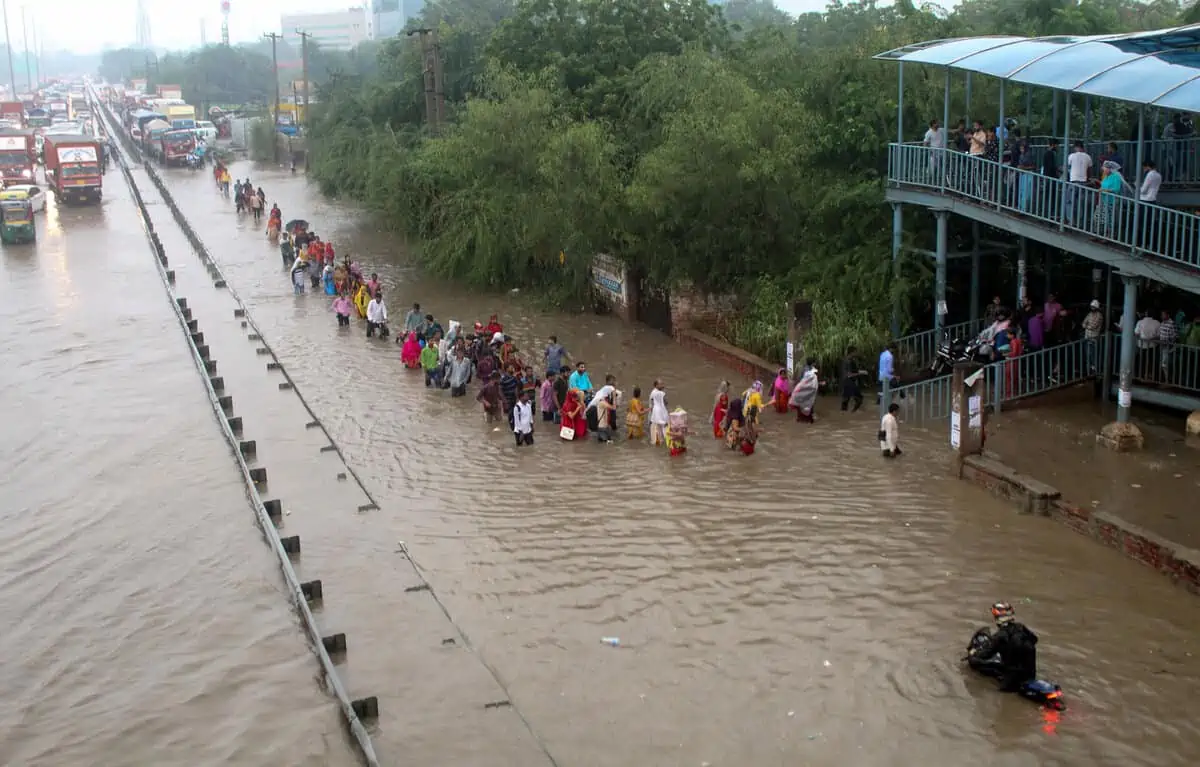
Gurugram, once a prized modern urban zone and the business capital of Haryana, is reeling under various layers of crisis unplanned urbanization, dilapidated infrastructure and socio-economic stress. Residents across sectors, be it high-rise condominiums or independent homes, have been raising questions on the crumbling civic order of the city. Perhaps the most immediate among these are rising petty criminal activities and the increasing feeling of insecurity, especially among women and the elderly.
Why Does Flooding Persist in a Modern City Like Gurugram?
Rural State of Mind and Lack of Publicness in urban planning and governance are two major causes. What is meant by Rural State of Mind is Annual flooding results from the continued reliance on antiquated, unofficial or inadequate techniques for the planning and upkeep of basic utilities like drainage systems. In an urban setting, what does Lack of Publicness mean is It indicates that people only pay attention to their close social circles, such as family, caste or class.
When private benefit is prioritized over public welfare, governmental authorities may fail to make sufficient investments in common infrastructure, such as storm drains, or they may permit unauthorized building that impedes the flow of water. It is possible that officials might not have a strong sense of duty to the public.
What is India Doing About Flood Control?
According to the 12th Schedule of the Indian Constitution, Urban Local Bodies (ULBs) and Urban Development Authorities are in charge of building construction, land use regulation and urban planning.
At the city level, ULBs and State Governments are in charge of drainage plans and flood control measures.
Government programs for the development of urban infrastructure and amenities include the Swachh Bharat Mission-U, the Pradhan Mantri Awas Yojana-U, the Atal Mission for Rejuvenation and Urban Transformation (AMRUT), and the Smart Cities Mission.
Guidelines were developed by the National Disaster Management Authority (NDMA) with an emphasis on anticipating floods and taking action to lessen their effects.
India investigates the Sponge City concept, which is influenced by projects in nations such as China. By employing techniques including rainwater harvesting, green infrastructure, water body restoration and improved solid waste management, this concept aims to increase cities’ natural water absorption.
MCG commissioner Pradeep Dahiya has given officials tight instructions to prioritize and promptly address public issues in response to the growing discontent among the populace. Dahiya declared during a virtual review meeting on Saturday that “negligence or delays in addressing public issues will not be tolerated.” Every complaint needs to be handled quickly and seriously, especially when it involves fundamental civic functions.
The pothole-ridden roads, poorly maintained traffic and illegal constructions are a daily hell for commuters. Monsoons can make the city almost come to a standstill, where knee-deep water floods roads, even after a light rain, because of choked stormwater drains, unplanned construction activities and pathetic drainage systems. The floodwaters disrupt daily activities, damage property, stall emergency services and intensify the risk of water-borne diseases.
While certain local RWAs have taken it upon themselves to manage sanitation or security through private means, they say these are stopgap remedies for what are fundamentally systemic failures of urban planning. If immediate intervention in infrastructure, policy reform and sustainable planning do not take place, Gurugram is on a certain trajectory of implosion due to its unabated growth. What was once an aspirational city is increasingly being regarded as a cautionary tale of what happens when urbanisation outflanks good governance.