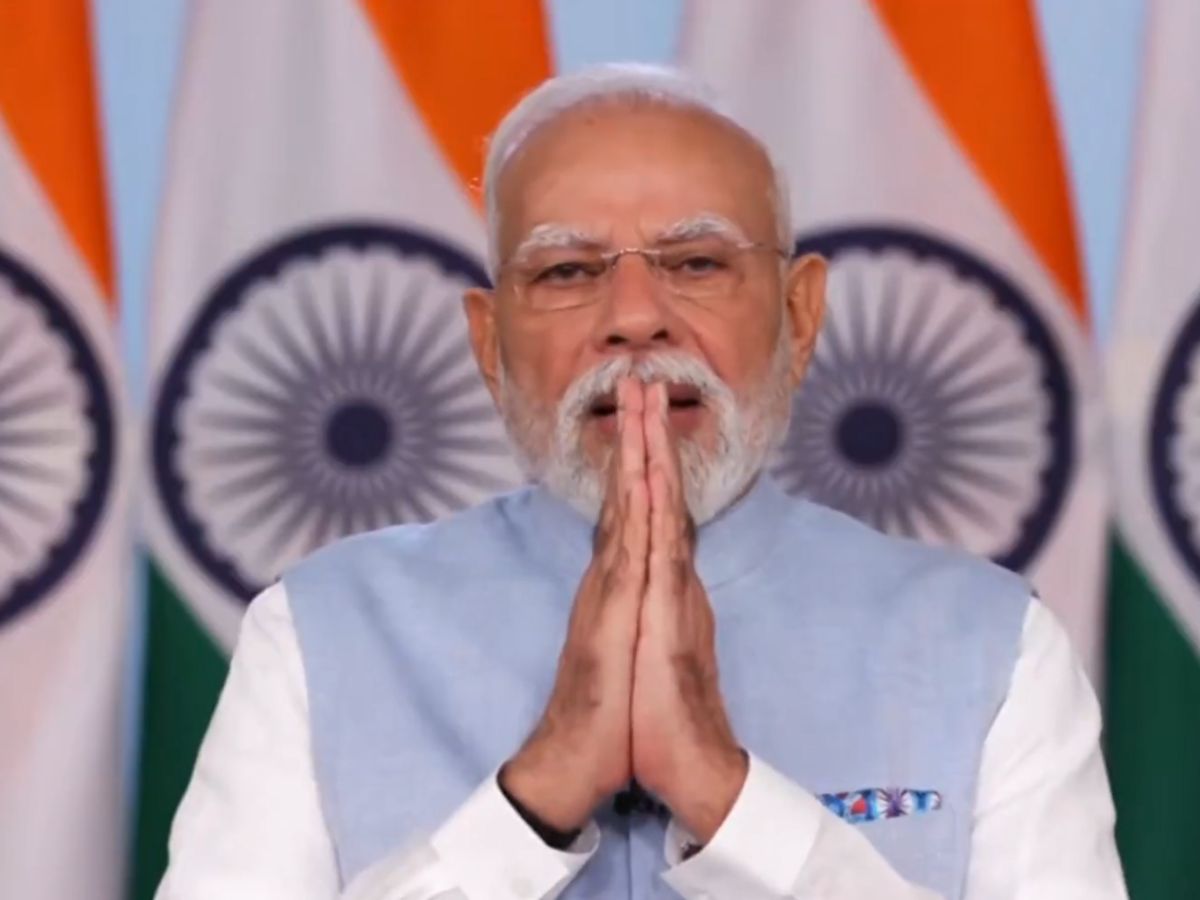
Prime Minister Narendra Modi has called the upcoming GST changes India’s ‘Bachat Utsav’, a savings festival. He said these NextGen GST reforms will begin on September 22, 2025, and will bring relief to families while speeding up India’s growth story.
My address to the nation. https://t.co/OmgbHSmhsi
— Narendra Modi (@narendramodi) September 21, 2025
The new system removes the older, complex mix of many tax slabs. It swaps them for simpler ones. According to PM Modi, “For decades, our country’s people and our country’s traders were entangled in a web of various taxes. Octroi, entry tax, sales tax, excise, VAT, service tax—dozens of such taxes existed… To send goods from one city to another, we had to cross countless checkpoints.”
What Changed Under the New GST Rules?
From September 22, India will largely have only two main GST slabs: 5% and 18%.
The old 12% and 28% tax slabs are gone for most goods.
There is a 40% rate for luxury and “sin goods” (items like tobacco, pan masala, cigarettes, beverages with sugar, high-end cars, etc.).
Some essentials are now tax-free (0%). These include items like certain foods (milk, roti, paneer), some medical goods, and educational items.
Why This Matters for You
These changes will make many everyday items cheaper. Things like shampoos, soaps, kitchenware, small cars, TVs, and air-conditioners will now fall under lower tax slabs in many cases.
People will pay less for daily-use goods. For households, this means more savings. For businesses and traders, GST compliance becomes simpler. Fewer slabs = less confusion.
Early Diwali Gift & Consumer Confidence
The timing is important. These reforms come right as Navratri starts, and Diwali is not far behind. Many people expect this to act like an early festival gift — lower bills, cheaper goods, and happier households.
Additionally, people tend to spend more when they see their expenses decrease. Markets may grow because of this change, especially for small shops, local sellers, and middle-class families. Economists say this will improve consumer confidence. In simple words, if people feel life is getting better and cheaper, they will spend more money, which will help the economy.
What About Luxury & Sin Goods?
While most goods get tax cuts, luxury items and products considered harmful will see higher taxes under the new 40% slab. This applies to things like tobacco, cigarettes, high-end vehicles, sugar drinks, and other similar items.
This move is meant to balance revenue for the government while giving relief to essentials for the common person.
What to Know Before Sept 22
The new rates take effect Monday, Sept 22, 2025.
Some items need clarification: certain harmful goods and sin items may have delayed tax changes depending on compensation cess and related factors.
Businesses will need to update their invoicing systems, change classifications, and ensure compliance with the new slabs.
The taxation of goods and services has changed significantly as a result of India’s reforms, and the government intends to make life easier for both people and businesses by streamlining slabs and reducing the tax burden on popular items.