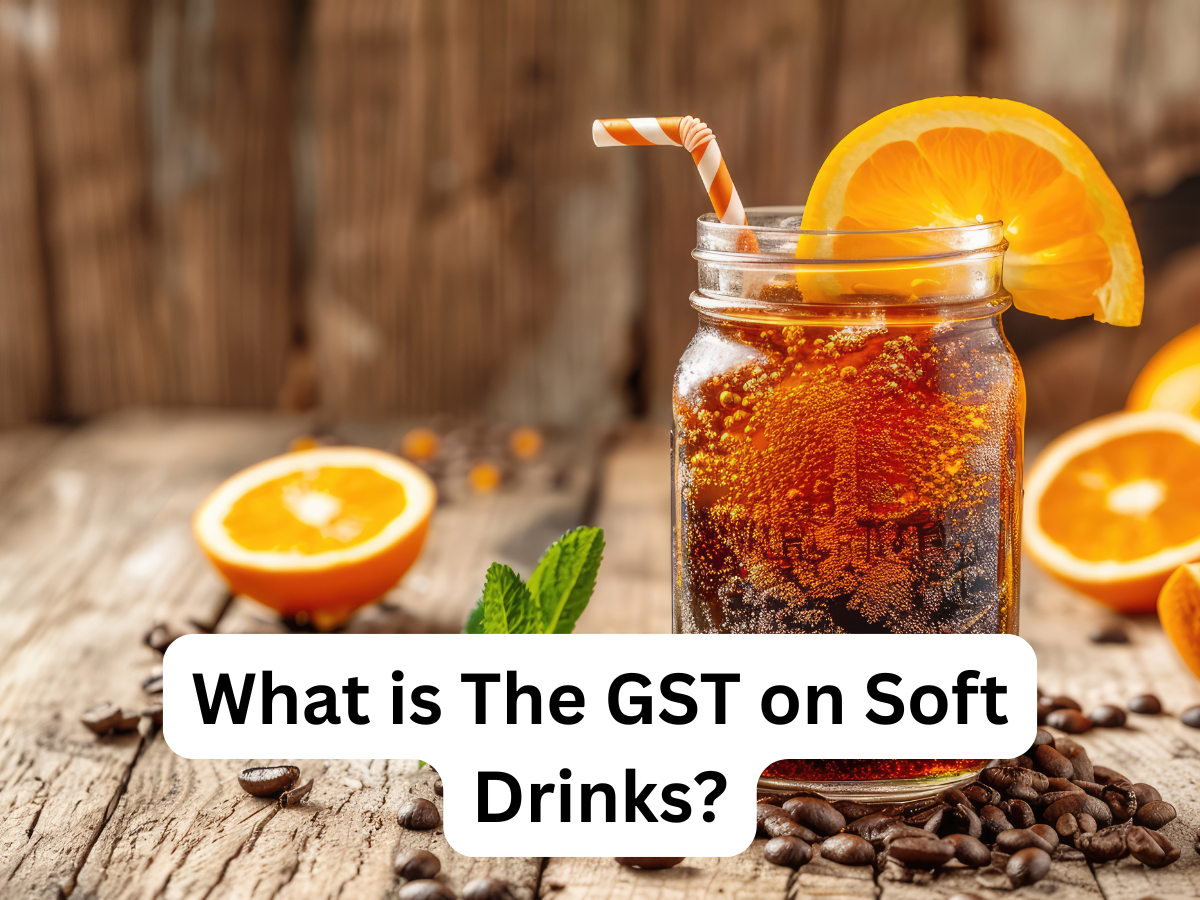
The GST Council has placed carbonated drinks, such as soft drinks, energy drinks, and fruit-flavoured carbonated water in the highest rate of 40% GST slab. This entails a new tax regime of 28% GST and an additional 12% compensation cess, classifying these beverages as “sin goods” like tobacco and luxury goods. The move is aimed at discouraging consumption of unhealthy and sweetened beverages while increasing government finances.
Industry and Consumer Reaction
The rise in tax has been responded to with extreme opposition from the soft drink sector, which argues that at such a high level, it discriminates against frequent consumers. The Indian Beverage Association asked that aerated drinks be exempted from the sin goods list and taxed at a lower 18%, pointing to the array of low products- or zero-sugar options that need to be dealt with separately. They warn that the hike would dampen demand and hurt the business, especially as many such products are mass-market and cheap offerings.
ALSO READ: Will Alcohol Prices Shoot Up After GST 2.0 Implementation?
Classification Disputes
One of the key sources of confusion has been how different carbonated beverages are classified. High-fruit juice products have traditionally been charged a lesser 12% GST, but the majority of them come under the 40% category at present. The Gauhati High Court ruled that carbonated beverages containing fruit juice would need to be charged 12%, pointing towards the disagreement between the tax authorities and manufacturers regarding the correct classification.
ALSO READ: Owaisi Slams Removal Bills: ‘Can any President Really Dismiss the PM?
Impact on Prices and Consumers
The tax boost will likely drive up retail prices of most carbonated waters and soft drinks, potentially reducing sales volume and affecting low-income households, to which the drinks are a favourite. Backers cite the increased tax to conform to international health trends against sugary beverages, while others point to the uneven consumer burden and market disruption.
What’s Next?
Though the GST Council’s 40% on soft drinks revises tax slabs and aims at sin products, it has triggered industry resistance, classification uncertainty, and customer anxiety. Continuing the debates and explanations might change how this taxation will affect the beverage industry and consumers in the coming months.
ALSO READ: Northern India Floods: Struggle Continues, Relief-work Underway