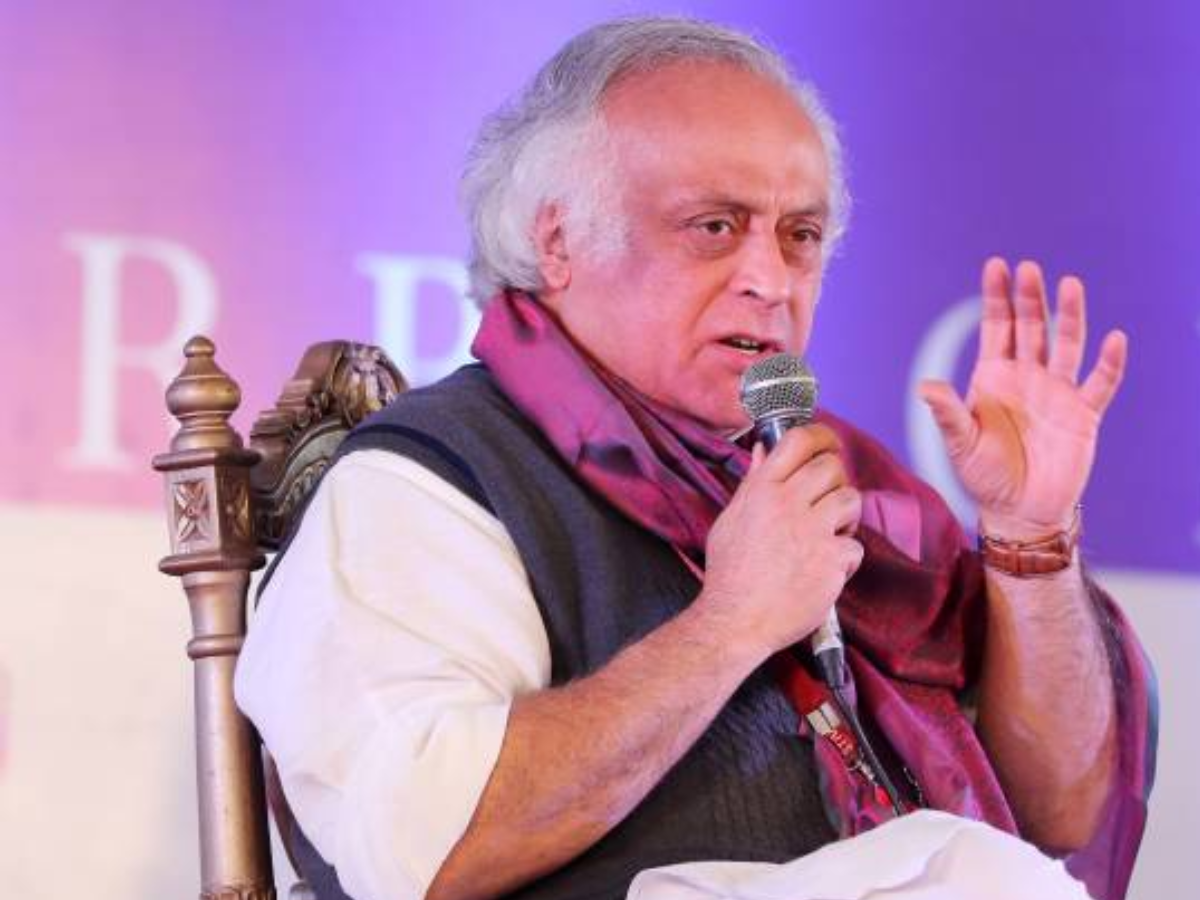
The Indian National Congress advised the government to undertake wider consultations on the GST 2.0, following Prime Minister Narendra Modi’s call on Independence Day.
The opposition raised doubts about the current tax structure, which they argue encourages depravity while creating uncertainty for the states, thus calling for the considerable simplification of rates.
Need for Simplified Tax Structure
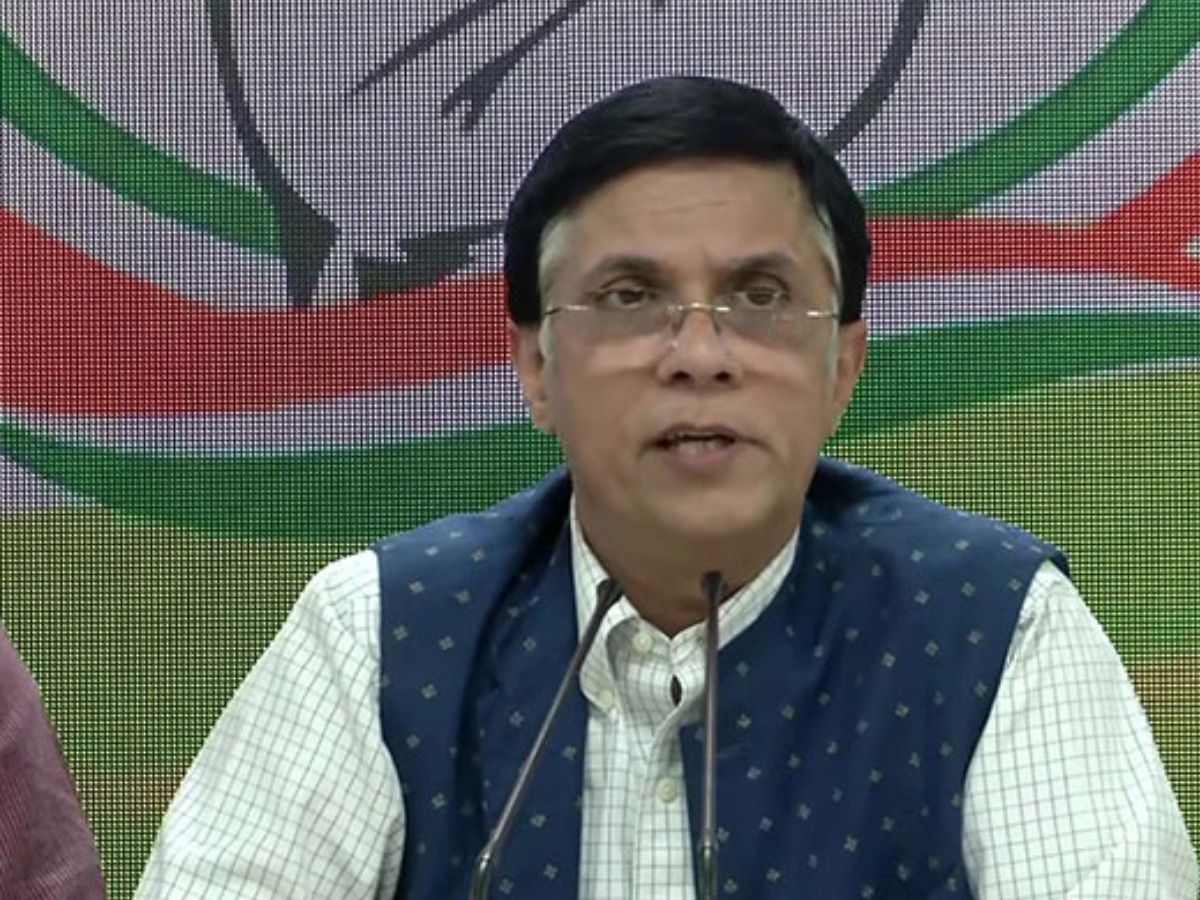
Talking about the simplified GST structure, Congress MP Jairam Ramesh stated that the acceleration of economic growth cannot happen unless GST becomes less opaque and more predictable.
ALSO READ: GST 2.0: Govt Plans Faster Registrations, Refunds, & Risk-Based Checks to Curb Fake ITC Fraud
“Reduction in slabs is vital to accomplish these objectives,” Ramesh stated. In his view, a simpler rate structure will help not only boost private consumption and investment but also reduce uncertainty of revenues for states.
Proposed Rate Cuts and Revenue Safeguards
GST 2.0 was announced, giving signals that some rate cuts on products will be there before Diwali. Sources in the know suggest the likelihood of rate cuts being items now charging 12% to be cut down to 5%, while some items currently taxed at 28% to 18% possible adjustments. Luxury and sin items could attract 40% rate.
Ramesh emphasized that any rationalization of rates should forthwith take into account revenues of states, including the prospects of extending the GST compensation beyond the date of its expiry scheduled for next year.
ALSO READ: PM Modi Unveils Next-Gen GST Reforms to Boost Economy and MSME
Sectoral Issues and Targeted Reforms
Ramesh addressed the issues facing the MSME sector and called for targeted reforms for specific industries such as textiles, tourism and exports. Along with such industry-specific reforms, he demanded procedural changes aimed at increasing the threshold for interstate supplies to free smaller businesses from undue hardship.
Congress stressed that measures should maintain a fine balance between ease of doing business and fiscal prudence.
A demand for transparent discussion
Ramesh ended by demanding that an official discussion paper on GST 2.0 be published, to allow for a properly informed debate.
“GST 2.0 should bear the traits of a Good & Simple Tax clear, fair and simple to comply with rather than being cruel on growth,” he noted. The Congress’ promotion of an open dialogue is rather a more extended expression for policies that harmonize income demand with economy growth sustainability.
ALSO READ: From 12% to 5%: PM Modi’s GST 2.0 Could Put Money Back in Consumer Pockets