
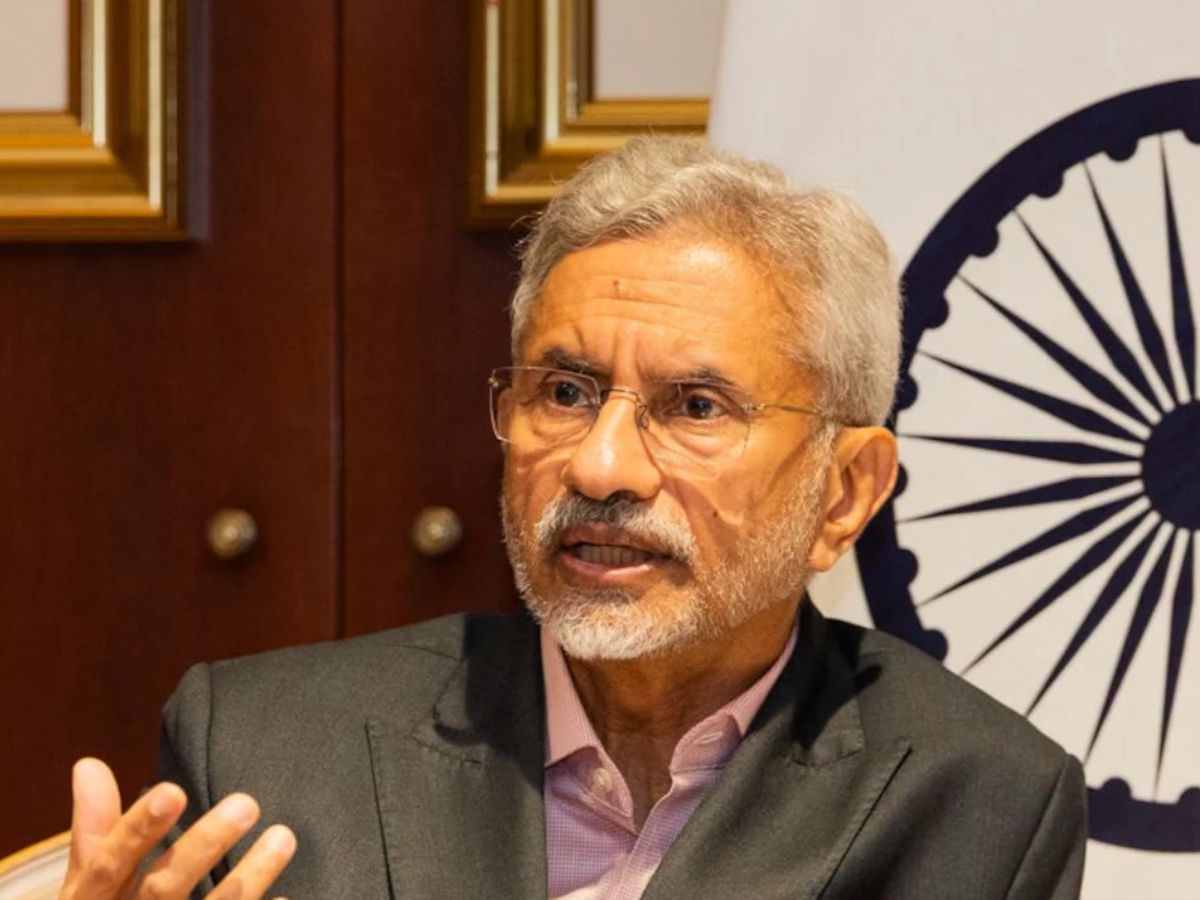
External Affairs Minister S. Jaishankar offered a clear view of India’s approach to its neighbours in a speech after attending the funeral of Bangladesh’s former PM, Khaleda Zia. He described India’s foreign policy as guided by “common sense” and distinguished between “good neighbours” who foster cooperation and “bad neighbours” whose actions undermine trust and security. His comments come amid ongoing conversations about regional ties and recent shifts in South Asian political dynamics.
Jaishankar’s remarks underline India’s efforts to balance diplomacy with national interests, while also reaffirming support for constructive engagement in the neighbourhood.
What Jaishankar Meant by ‘Good Neighbours’?
Responding to a question at IIT Madras in Chennai on India’s policy toward surrounding countries, Jaishankar explained how India builds relations based on mutual respect and cooperation.
He said good neighbours are those who are either supportive or at least not harmful. For them, he said, India’s instinct is to “be kind and to help that neighbour.” He added, “If the neighbour has a problem, you would like to contribute in some way. If nothing else, you will say hello, try to build friendships and bonding, and that is what we do as a country.”
The minister cited examples where India stepped in with support during crises in the region, such as providing vaccines during COVID-19, supplying fuel and food in global challenges, and offering financial assistance to Sri Lanka during its economic crisis.
Defining ‘Bad Neighbours’: A Matter of National Security
Jaishankar did not shy away from outlining what he termed “bad neighbours.” He said these are countries or actors that “deliberately, persistently, unrepentantly continue with terrorism.” In such cases, India asserts its right to protect itself and take necessary actions without external diktat, underlining that “nobody can tell us what we should do or not.” This reflects a firm stance on national security and self-defence.
He pointed to past diplomatic arrangements like the Indus Waters Treaty, explaining that goodwill cannot persist if threats or violence from a neighbouring state continue. “If there is no good neighbourliness, you do not get the benefits of that good neighbourliness,” he said.
This segment of his speech signals a tougher line on nations that do not prioritise peaceful coexistence and constructive engagement.
Reactions and Regional Context
Jaishankar’s visit to Dhaka on the occasion of Khaleda Zia’s funeral was described by Bangladesh officials as a gesture of courtesy and not overtly political, noting no bilateral talks took place during the brief visit.
Some analysts view the remarks as part of India’s broader strategic narrative amid shifting South Asian geopolitics. Recent internal changes in Bangladesh and evolving partnerships in the region have led to discussions on how India balances diplomacy with immediate national interests and long-term neighbourhood relations.
India’s ‘Neighbourhood First’ Policy: A Balanced Outlook
Jaishankar’s comments align with India’s Neighbourhood First policy, which aims to foster cooperation, connectivity, and mutual development among neighbouring states. The emphasis on common sense, shared interests, and respect reflects a pragmatic strategy that looks beyond emotion to outcomes.
Experts suggest that positive engagement with neighbours like Bangladesh and Sri Lanka may ease tensions and expand economic and cultural ties, while a firm stance on security continues to shape India’s posture toward nations with unresolved conflicts or allegiances that threaten regional stability.
What Comes Next for India and Its Neighbours?
The coming months will likely test how diplomatic rhetoric translates into action. India’s focus on constructive ties remains, even as it emphasises national security and mutual respect.
Jaishankar’s distinction between “good neighbours” and “bad neighbours” captures the dual priorities facing Indian foreign policy — collaboration where possible, firm defence where necessary. Observers note that the future of India’s neighbourhood engagement will rely on continuous dialogue and practical cooperation, rather than simple rhetoric alone.