
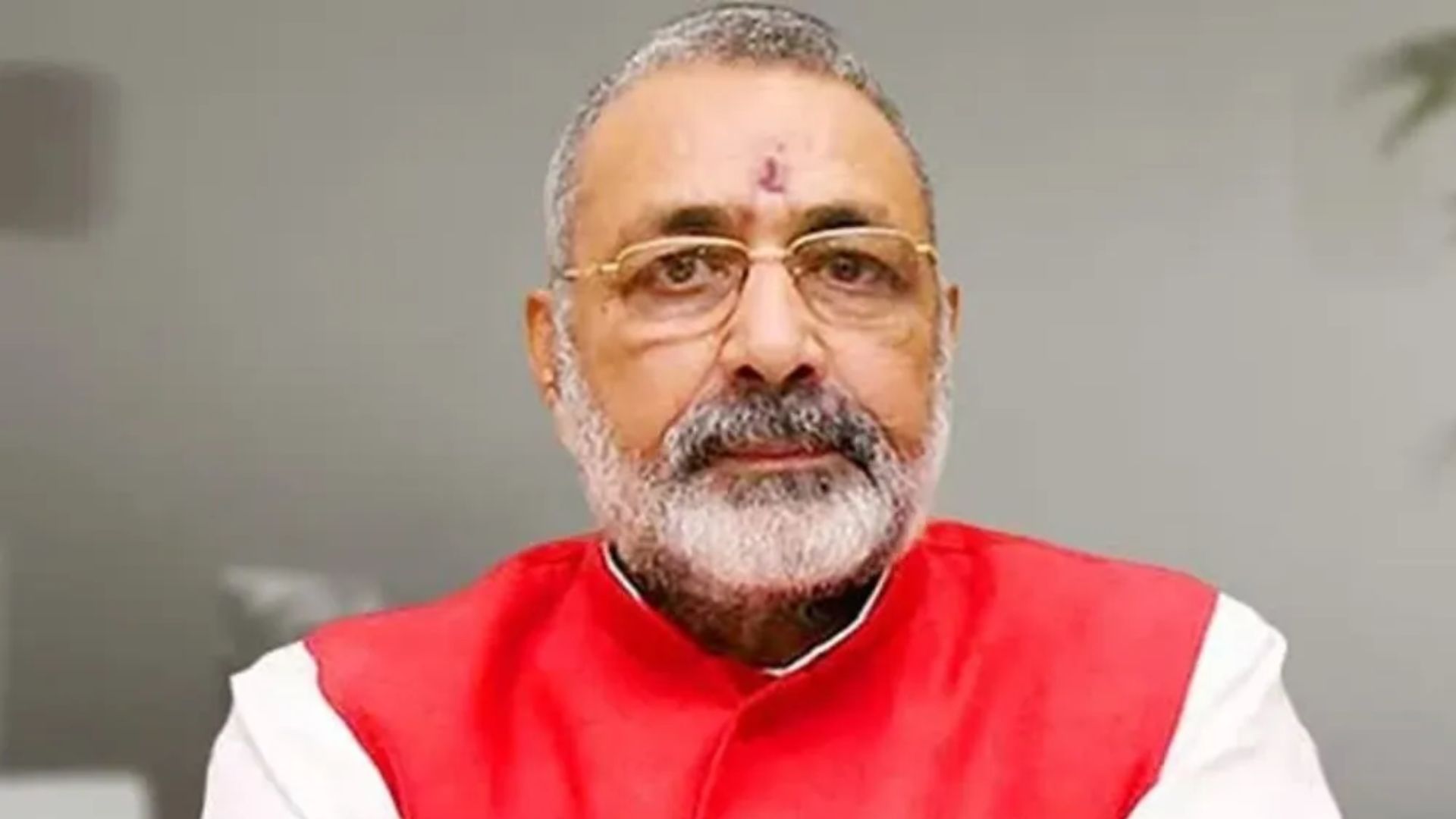
Union Minister of Textiles, Giriraj Singh, officially launched a new book on Wednesday titled “Carbon Footprint Assessment in the Indian Handloom Sector: Methods and Case Studies”. The book has been jointly developed by the Office of the Development Commissioner for Handlooms, Ministry of Textiles, and the Department of Textiles & Fibre Engineering at IIT Delhi.
What the Book Is About
This publication marks a significant step in the Government of India’s push toward eco-friendly handloom production and sustainable development. It offers practical tools and clear methods to help measure and lower the carbon emissions from the handloom sector, which is an important source of rural livelihood and a proud representation of India’s cultural traditions.
Handloom Sector: A Pillar of Rural Economy
The Indian handloom sector employs more than 35 lakh people, with over 25 lakh women working as weavers or in allied roles. This makes it a major source of women’s economic empowerment.
Handloom weaving is known for:
-
Low capital investment
-
Minimal power usage
-
Environmentally friendly processes
-
Flexibility in producing small batches
-
Openness to innovation
-
Quick adaptability to changing market needs
Thanks to these features, handloom products are increasingly popular in both domestic and global markets.
Focus on Sustainability and Climate Action
The book demonstrates how to measure carbon footprint using real examples from across India. These include iconic handloom products such as:
-
Cotton bedsheets
-
Floor mats
-
Ikat sarees
-
Banarasi sarees
It also explains low-cost ways to gather data and track emissions—tailored specifically for handloom units to help make production greener.
A Joint Effort Backed by Research and Grassroots
This initiative was carried out through a collaboration between:
-
The Ministry of Textiles
-
IIT Delhi’s Fibre Engineering Department
-
Indian Institute of Handloom Technology
-
Weavers Service Centres
-
Grassroots weaver groups
-
Greenstitch Private Limited
-
Government agencies
The book aligns with global climate standards but is customized for the Indian context—so the handloom sector can work toward eco-conscious growth.
Ministry’s Call to Action
The Ministry has encouraged all stakeholders—especially media, handloom groups, and the public—to read and use the report’s insights. It called the publication a “milestone in building a greener, more resilient Indian textile industry.”
Also Read: PM Modi Hails Amit Shah as India’s Longest-Serving Home Minister