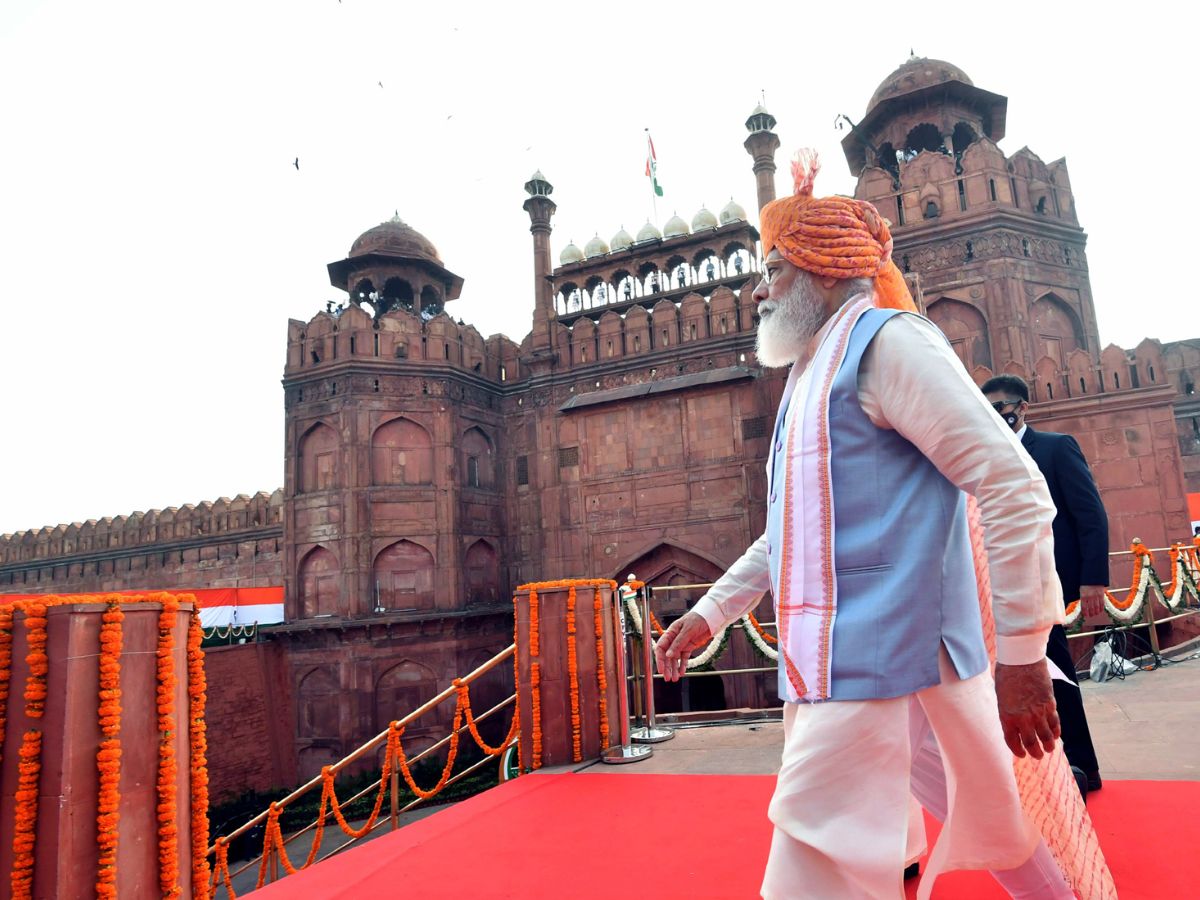
Prime Minister Narendra Modi on Friday unveiled plans for a sweeping overhaul of India’s Goods and Services Tax (GST), hinting at lower rates on most goods and services by Diwali. Speaking from the Red Fort on the 79th Independence Day, Modi highlighted significant tax cuts, especially for small enterprises, the middle class, and farmers, and promised a “double Diwali” for the average person.
Next-Generation GST Reforms
The suggested modifications, which Modi referred to as “next-generation GST reforms,” are intended to streamline the existing four-tier tax system. Sources within the government indicated that most items currently taxed at 12% could drop to 5%, while goods in the 28% bracket could move to 18%. A 40% rate would be levied on sin or luxury items, replacing the existing compensation cess. The proposed changes are expected to reduce the price of essentials, including groceries, prescription drugs, televisions, and washing machines.
Simplified Two-Slab Structure
The GST framework would be simplified into a two-rate system under the proposed amendments, with higher-end goods paying 18% and most ordinary items paying 5%. There would be a new 40% tax on luxuries and inferior goods like cigarettes and internet gaming.Items in the current 12% bracket—including dried fruits, frozen vegetables, snacks, toothpaste, feeding bottles, bicycles, furniture, utensils, and footwear under ₹1,000 — are expected to become significantly cheaper. In a similar vein, rates on expensive items like cement, air conditioners, dishwashers, televisions, and monitors would drop from 28% to 18%.
The new structure would also benefit education, insurance, agricultural equipment, and medications, directly helping households and increasing economic consumption.
Boosting MSMEs and Consumer Spending
Micro, small, and medium-sized enterprises (MSMEs) will find it easier to comply with the regulations, which are intended to simplify taxation.
Tax experts claim that rate rationalization improves working capital, reduces categorization disputes, and boosts export competitiveness. It is projected that expedited reimbursements and simpler rates will increase domestic consumption and the manufacturing sector in India.
Also Read: PM Modi’s 2025 Independence Day Speech: 8 Key Announcements Shaping India’s Future
Implementation and Approval Process
The Group of Ministers investigating rate rationalization has been directed by Union Finance Minister Nirmala Sitharaman to compile the government’s suggestions, which they would then submit to the GST Council. Each state’s finance ministers make up the council, which has the power to approve, disapprove, or change the proposals. Before Diwali, officials anticipate a definitive decision that might benefit customers right away.
Economic Implications
Experts hailed the reforms as transformative for India’s economy.
Reducing conflicts, promoting consumption, and bringing India into line with international best practices are all benefits of splitting the GST into two primary rates. The government anticipates significant initial revenue losses, but these are expected to be balanced by increased compliance and a larger tax base.
Saurabh Agarwal, partner at EY India, noted that these reforms would unlock crucial working capital, boost exports, and enhance economic resilience. “Rationalizing rates will strengthen India’s manufacturing capabilities and make the economy more self-reliant in a volatile global landscape,” he said.
Saurabh Agarwal, partner at EY India, noted that these reforms would unlock crucial working capital, boost exports, and enhance economic resilience. “Rationalizing rates will strengthen India’s manufacturing capabilities and make the economy more self-reliant in a volatile global landscape,” he said.