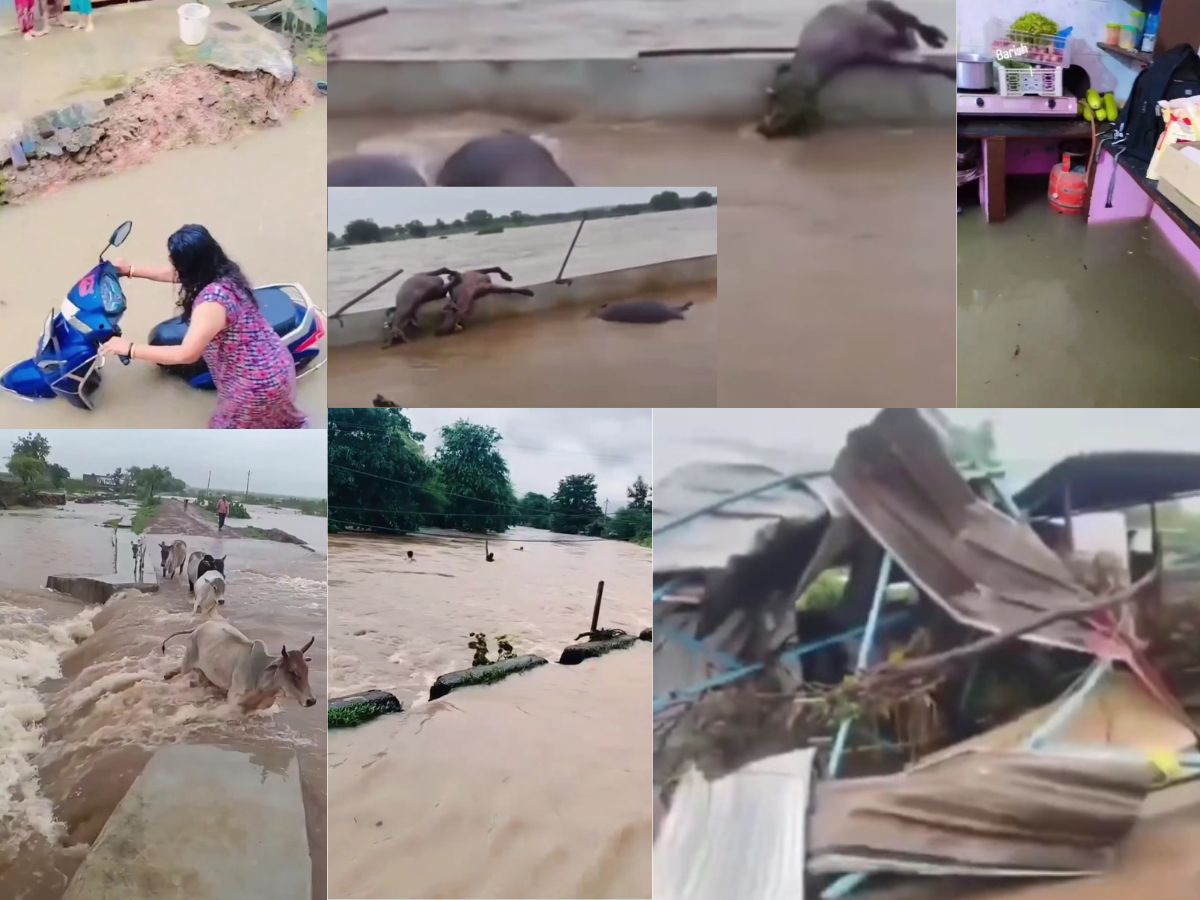
India is struggling with one of the worst flood crises in decades as incessant monsoon rains have lashed northern and eastern states during late August and early September 2025. Heavy rains have caused flash floods, landslides, and extensive water-logging from Bihar, Punjab and Himachal Pradesh to Delhi NCR, Odisha, and Himalayan states. Repeated “red alerts” for heavy rain have been issued by the India Meteorological Department (IMD), with some areas experiencing rain overshoots 70% above normal.
ALSO READ | Nil GST on Insurance may not See Expected Relief in Premium Prices
States Affected Severely
Punjab, officially announcing all 23 districts as flood-affected, is hit with its worst flood since 1988. Swollen rivers of Sutlej, Beas, and Ravi have inundated more than 1,400 villages and over 3.5 lakh people are displaced or hard-hit. Bihar has been affected with floods in districts of Bhagalpur, Patna, Begusarai, Vaishali and Munger. Himachal Pradesh, Jammu & Kashmir, and Uttarakhand have seen water logging, cloudbursts, landslides, and road closures. Repeated school and college closures have been ordered as cities such as Gurugram, Ferozepur, Kapurthala, Amritsar, and Pathankot suffer topographical and civic dislocation. In Delhi, the Yamuna rose to more than 207 meters, flooding low-lying areas and leading to large-scale evacuations.
ALSO READ | Delhi Rains: Water-logging Continues | Check the best routes to Commute
Impact on Daily Life
Floodwaters have disabled transport, ruined crops, and destroyed homes and civic structures in floodplains. Basic services like water supply and electricity continue to be affected in most districts, with highways and roads swept away or rendered unserviceable. Most big cities, like Delhi-NCR, Gurugram, and Noida, have experienced extreme water-logging, resulting in traffic jams and business disruptions. Schools, colleges, and government offices have been shut down for days, while districts are running short of food, medicines, and drinking water.
Relief Efforts and Response
Rescue efforts have been put into action with the deployment of the Army, National Disaster Response Force (NDRF), State Disaster Response Force (SDRF), and BSF, with over 14,000 individuals airlifted or evacuated to relief camps in Delhi and Punjab alone. Helicopters and amphibious crafts have evacuated marooned pilgrims in Himachal and Uttarakhand. Local NGOs and civic bodies have supplemented humanitarian relief, providing food, water, and medicine to the worst-affected areas. Authorities urge residents to heed advisories, avoid low-lying areas, and seek shelter in designated camps as water levels remain precarious. The Bihar state government has mobilised 16 NDRF and SDRF teams for rescue and relief operations
ALSO READ | Voter Adhikar Yatra: Confidence or Arrogance? | Progress Report
Looking Ahead
IMD predictions indicate moderate respite as the intensity of rain could subside in the coming days, but September as a whole is likely to have above-average rain. With ground waterlogged and rivers running near or even beyond danger levels, India’s flood situation remains under stress, throwing light on increasing problems of extreme weather events and calling for integrated disaster management in the country.