
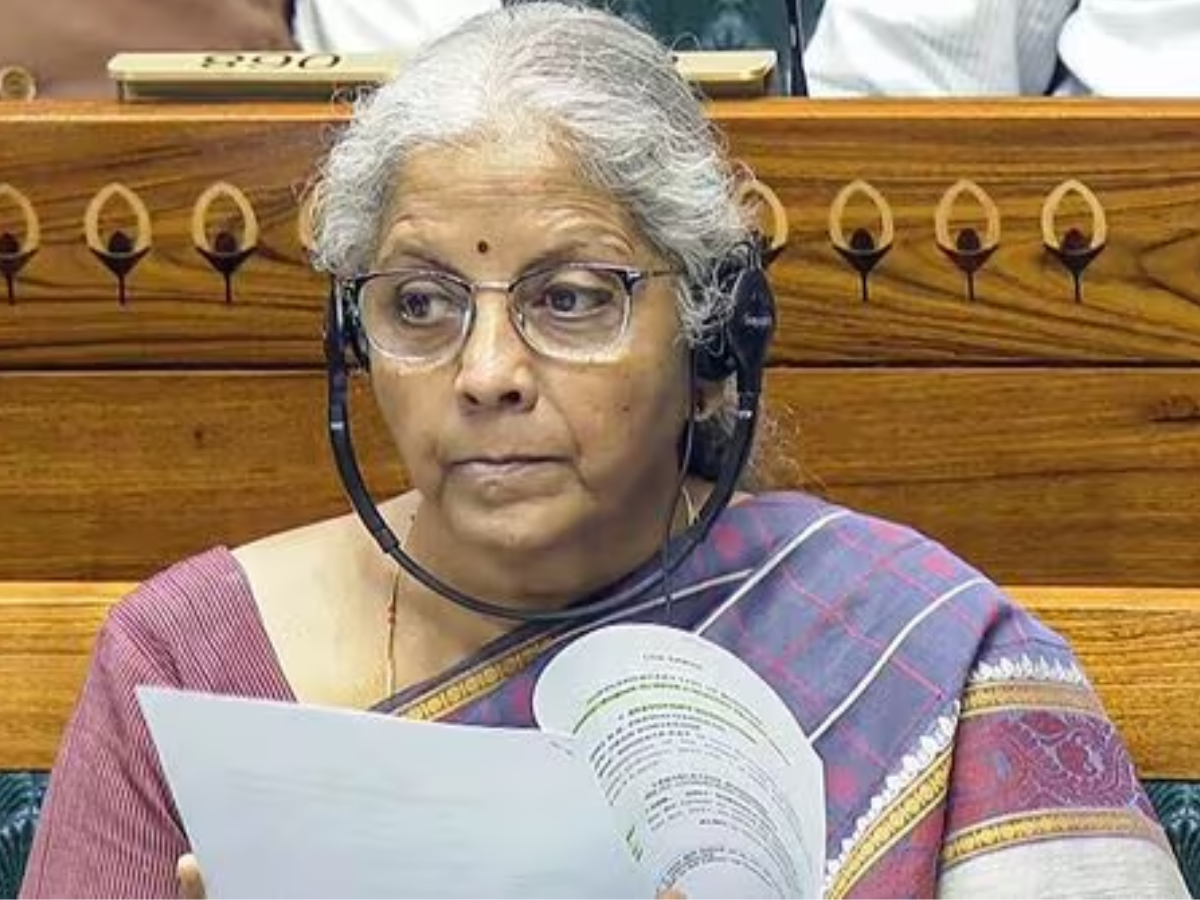
In Parliament on August 11, Minister of Finance Nirmala Sitharaman presented an overhauled Income Tax (No. 2) Bill, 2025, withdrawn earlier in February.
The present legislation seeks to replace the decades-old Income Tax Act of 1961, modernizing the taxation framework of India through appropriate technological incorporation and clearer legal frameworks.
Rationale for Withdrawal and Reintroduction of the Bill
The erstwhile Income Tax Bill, 2025, aimed at restructuring tax laws and creaming digital tax mechanisms, received negative feedback from the Parliamentary Select Committee, headed by BJP MP Baijayant Panda.
ALSO READ: Kharge Criticises Election Commission’s Handling of Voter List Revision
The Government, therefore, withdrew the previous draft to incorporate most of the committee’s 285 recommendations and set right the drafting inconsistencies, avoiding confusion created by multiple drafts. The fresh bill effectively incorporates these inputs for clarity and effectiveness.
Key Recommendations by the Parliamentary Select Committee
In its 4,575-page report, the 31-member committee covered different aspects of minor amendments as well as major reforms. Some of the important recommendations are:
- Change in Definition of “Beneficial Owner” It allows taxpayers to carry losses forward even when they obtain shares directly or indirectly. The definitions would, in a way, promote flexibility in tax planning.
- Inter-Corporate Dividend Deduction: The committee recommends restoring this deduction (along with a presumptive 30% deduction after municipal taxes), to lessen the tax burden on corporations.
- Pre-Construction Interest Deductions It could apply to rented properties, promoting investment in real estate.
ALSO READ: SC on Delhi Stray Dogs: ‘Put Them in Shelters, Keep Capital Safe’
- Care-Free Tax Compliance for Individuals for suggestions include the issuance of ‘Nil’ Tax deduction certificates, discretionary waiving of penalties for unintentional errors, and allowing small taxpayers to get refunds for delayed income tax returns.
- On Clarity on Non-Performing Assets (NPAs) is the committee has suggested elements of precise definition so that there are fewer conflicts between tax authorities and banks.
- Definition Clarity for Parent Companies and Charitable Trusts for Special provisions should be made for nonprofit and religious trusts regarding anonymous donations so as not to threaten their tax-exempt status.
Towards a Unified and Transparent Tax Code
One of the most important steps becomes to remove any lingering references to the workings of the Income Tax Act of 1961 with a view to reducing legal ambiguities and disputes. These consolidated, modern codes are aimed at more transparency, better compliance, and enhanced ease of doing business.
The revised Income Tax Bill (No. 2), 2025, is a fair balance trying to accommodate expert recommendations while addressing stakeholder concerns. As long as this bill continues to pass through legislative scrutiny, it can become a great standard for a fair taxation system in India as it will be aligned with global practices and technological advancements for the next few decades.
ALSO READ: Why Has the Modi Government Pulled Back the Income-Tax Bill 2025? Here’s What the Govt Says