
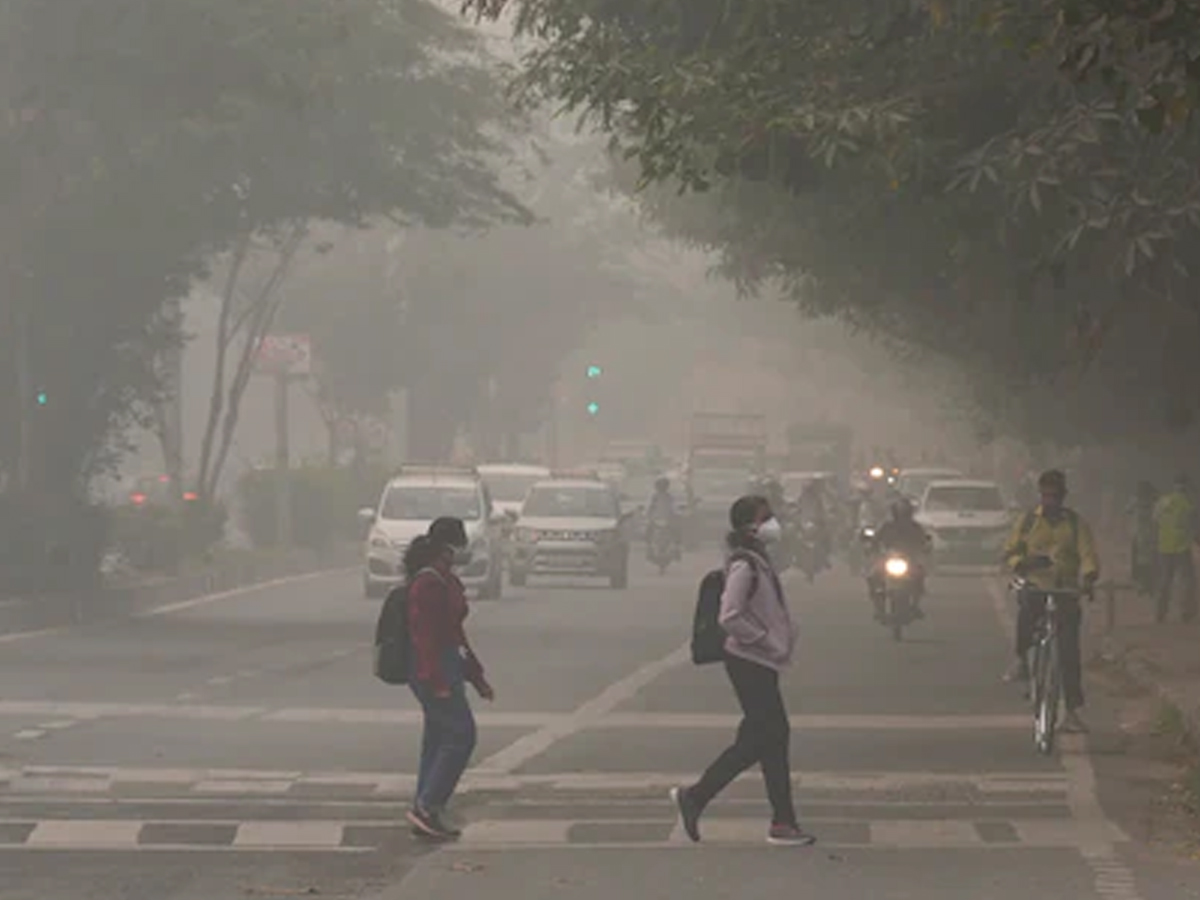
Delhi limps under thick smog and rising health concerns. On Saturday, the government announced a major step forward. It created a new expert group on air pollution mitigation. It also formed a high-level implementation committee to tackle the crisis. Officials hope this dual action — brain and brawn — will help clear the air in the coming weeks.
Environment Minister Manjinder Singh Sirsa said the expert team will act as a “friend, philosopher, and guide” for the government. The implementation committee, led by Chief Minister Rekha Gupta, will turn ideas into action through strict monitoring and timely execution.
What the New Panels Are Meant to Do
The Expert Group will study the city’s pollution causes. It will recommend solutions. It will design prevention, control, and mitigation strategies.
The Implementation Committee will ensure that these strategies are carried out without delay. It will supervise compliance with government orders, court directions, and statutory regulations.
Sirsa described the two bodies as “the brain and arm” of the city’s pollution fight. He expressed faith that with public cooperation, the city can overcome its air crisis.
Why Now? Delhi Air Quality Remains Alarmingly Poor
Delhi’s air quality continues to hover in the “very poor” zone. Smog has settled over large areas. Residents have reported breathing difficulties. Vulnerable citizens — children, the elderly, and patients — face serious health risks.
Meteorological factors — chilly nights, limited wind, and rising pollution emissions — have intensified the crisis. Experts fear worsening conditions if the city does not act swiftly.
The government has already rolled out dust-control efforts, sprinklers, sweeping drives, and restrictions on polluting activity. But critics say the efforts remained scattered and lacked long-term enforcement.
What This New Structure Could Mean for Delhi Residents
If the expert group and implementation panel work well, Delhi may soon see:
- Better regulation of dust from construction sites.
- Prompt repair and cleaning of roads to minimize dust generation.
- Stricter monitoring of industrial and vehicular emissions.
- Faster enforcement of air-quality norms and transparent reporting.
- More coordination between government, civic bodies, and communities.
For citizens, it could mean clearer skies, healthier mornings, and fewer air-quality alerts.
Challenges Ahead — What Could Go Wrong?
Creating panels is just the first step. Several hurdles remain:
- Coordination across multiple agencies and local bodies — often a major bottleneck in Delhi’s governance.
- Quick execution of recommendations — delays in work can stall the impact.
- Real-time monitoring and compliance — pollution control efforts can lapse if not consistently enforced.
- Public cooperation — residents must avoid activities that worsen air quality and follow advisory norms.
Why This Move Matters for India’s Capital
Delhi has long struggled with seasonal air pollution spikes. But this time, the government’s response signals seriousness. Instead of only temporary relief measures, the new structure aims for systemic change.
If effective, the panels might set a blueprint for long-term pollution control — not just for Delhi, but for all Indian cities facing similar air quality problems.
Successful implementation would restore public trust and show that policymaking with technical insight and firm enforcement can protect citizens’ health.