
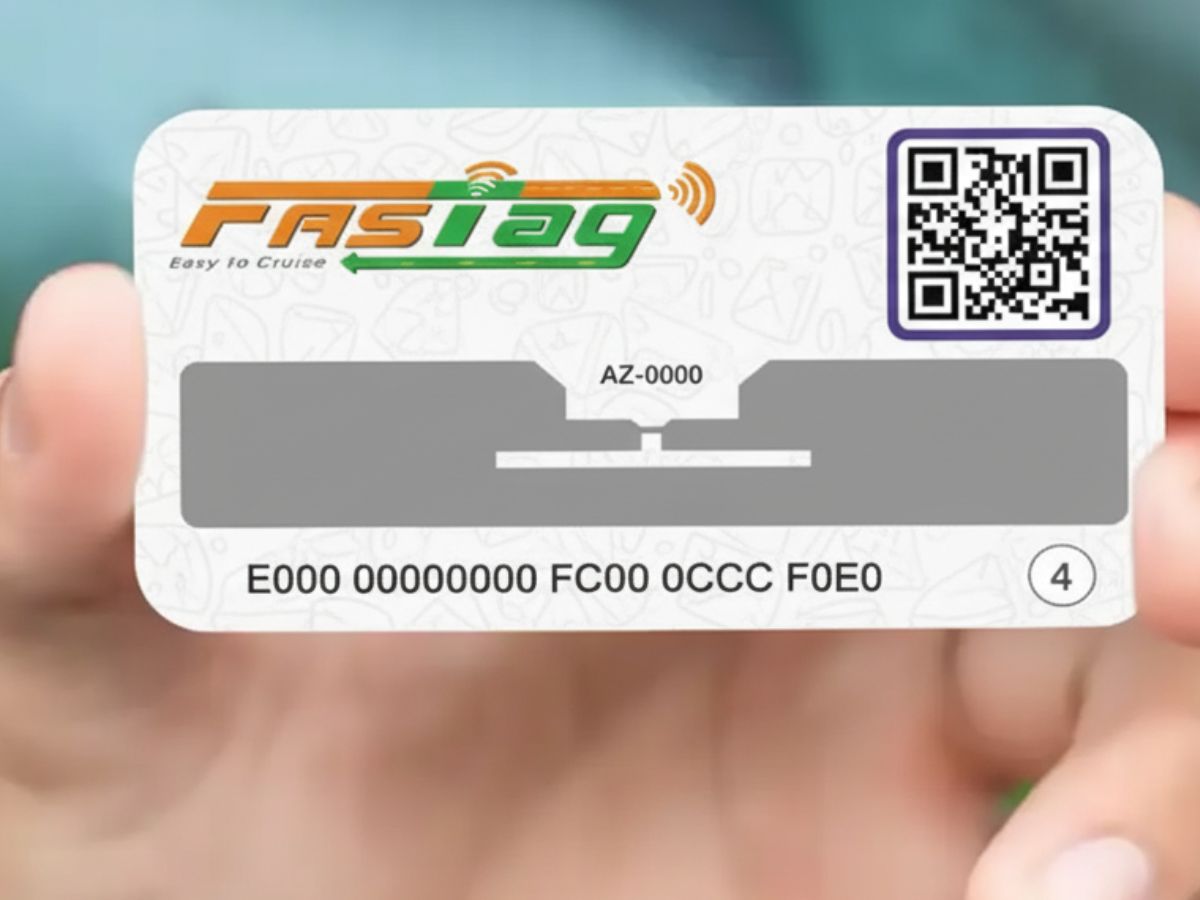
From 31 October, all vehicle owners in India must complete Know Your Vehicle (KYV) verification to use their FASTag at toll plazas. The goal is to stop misuse and improve transparency in toll collection. Each FASTag must now be correctly linked to its specific vehicle.
Why This Rule Has Been Introduced?
The National Highways Authority of India (NHAI) has informed the National Payments Corporation of India (NPCI) that unverified FASTags will become invalid.
Officials say problems arose because some FASTags were being carried loose — in pockets or purses — instead of being affixed to windshields. In other cases, car FASTags were used on trucks to pay lower tolls. KYV aims to stop such fraud.
What Vehicle Owners Must Submit?
Under the process:
- You must submit a photograph of the vehicle (front and/or side) clearly showing the registration plate and the FASTag sticker.
- Upload copies of the vehicle Registration Certificate (RC).
- In some cases, a photo of the vehicle owner may also be required.
- If you fail to complete KYV, your FASTag will be deactivated — even if you have money in your account. You’ll then have to pay tolls in cash.
Process and Deadlines to Know
KYV applies to all FASTag users, regardless of bank or payment app.
You log into the FASTag issuer’s website or mobile app, choose “Update KYV” or “Know Your Vehicle”, upload the documents and images, and complete any required verification via OTP or email.
Once completed, your FASTag will show as “Active and Verified”. If you transfer vehicle ownership or change the registration number, you must redo KYV.
How Drivers Will Be Affected on the Road?
For regular commuters, the new KYV requirement means extra steps and possible disruption. Those who ignore it could face delays at toll plazas, especially if the unverified tag gets hot-listed automatically. Many users have already spoken of technical glitches in uploading documents or images that aren’t accepted due to clarity issues.
This could hit frequent highway users hardest — e.g., transporters, sales teams, or families travelling between cities. It also forces all vehicle owners to ensure their FASTag is correctly registered to their vehicle. In effect, the KYV rule marks a shift from “fast tag, go” to “fast tag, verify, then go” — combining digital ease with tighter controls.