After a period of stalled negotiations and tariff disputes, officials from the United States and India sat down this week to formally resume talks on a critical trade deal. Both governments described the discussions as “positive,” but analysts warn significant hurdles remain, from American tariffs to India’s protection of its agricultural sector.
What Happened in the US- India Trade deal today?
On Tuesday, a team from the office of the United States Trade Representative (USTR), led by Chief Negotiator Brendan Lynch, met with Indian officials in New Delhi. The Indian delegation was headed by Rajesh Agarwal, Special Secretary in the Department of Commerce. In identical statements, both nations labeled the meetings “positive and forward-looking, covering various aspects of the trade deal.” Most importantly, they agreed to “intensify efforts to achieve early conclusion of a mutually beneficial trade agreement.”
Why Did the Talks Stall Previously?
The journey to a deal has been rocky since talks began in March-April. Negotiations have gone through “many crests and troughs,” primarily due to a “tariff offensive by the US.” The relationship hit a low point when the US imposed additional tariffs on India, citing its continued purchase of Russian oil despite the war in Ukraine. At one point, the US stated that the “punitive” tariffs were a response to the talks “taking too long.”
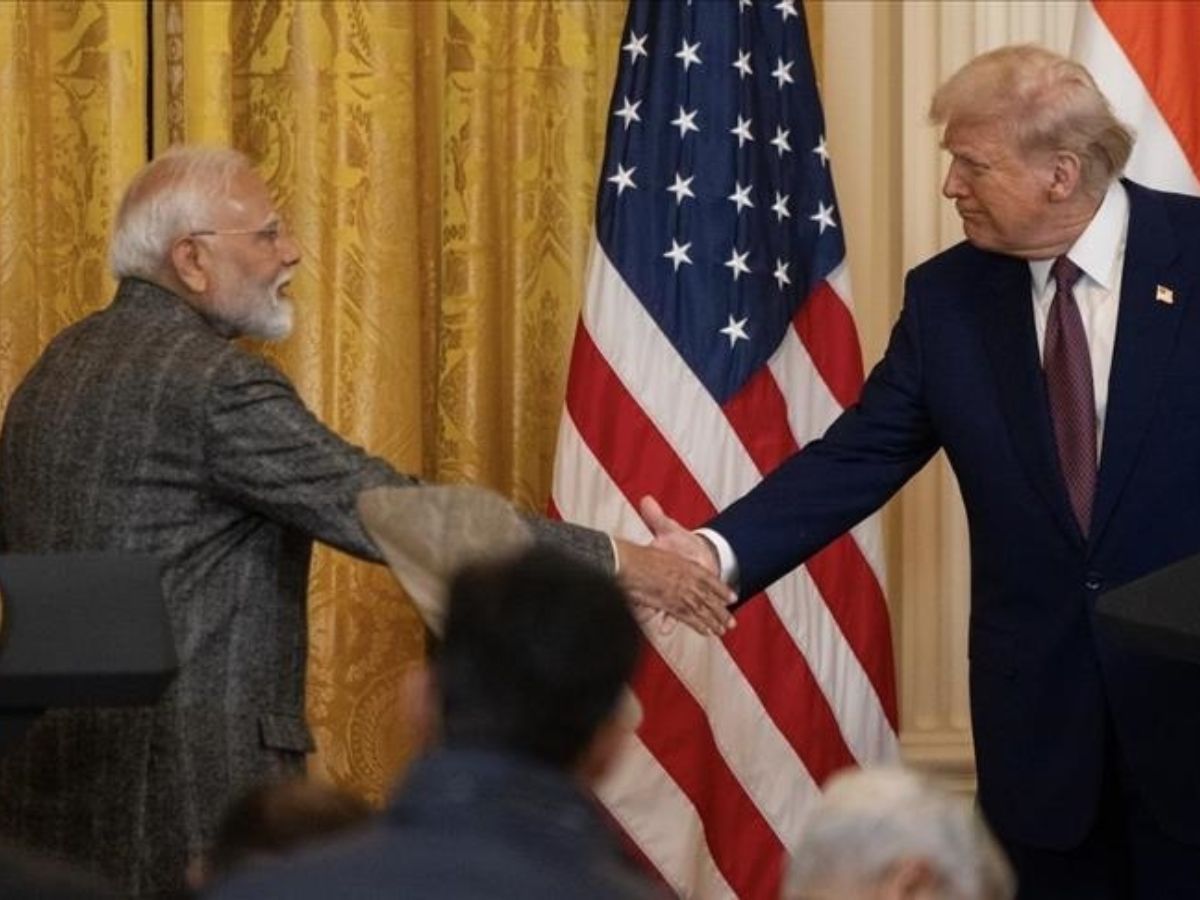
A recent thaw in diplomatic relations, notably facilitated by social media, paved the way for this week’s talks. President Trump and PM Modi’s public “mutual-admiration posts” helped to calm things down, putting the past behind them and fostering a more amicable atmosphere for talks.
Biggest Obstacle to the Deal
According to a report by the Global Trade Research Initiative (GTRI), an India-based think tank, any real progress is contingent on one major action: the US rolling back its additional 25% tariffs on Indian goods. The report argues that while the US appears “desperate to close a deal,” its officials often use “disparaging language” against India, creating a complex negotiating dynamic. According to GTRI, “how much India concedes without jeopardizing regulatory autonomy or economic sovereignty” is the main issue.
Also Read: ‘Gaza is Burning’: Israel Launches Major Ground Assault on Gaza City Amid Global Condemnation
What Are India’s Key Demands and Red Lines?
India has firmly drawn a line in the sand regarding its agricultural and dairy sectors. The government has explicitly stated it “won’t allow a free flow of American agriculture and dairy products.” A key component of PM Modi’s electoral pledge to “defend the farmers, no matter the cost” is this position. This protectionism is one of the main points of dispute because the US is always looking to provide its agricultural exports greater access to markets.
What is the Expected Timeline for a Deal?
The goalposts have shifted significantly. A trade pact that was initially expected to be finalized by September is now tentatively projected for a “first stage” agreement by November. This timeline remains ambitious, given the substantial issues still on the table.
Also Read: Trump Confirms TikTok Deal: Chinese App Finally Safe From US Ban?
Current Trade Impact
Early data suggests the US tariffs are already having an effect. India’s exports to the US fell to $6.86 billion in August from $8.01 billion in July. However, the full impact remains to be seen, as the additional tariffs only kicked in at the end of August, meaning September and October data will provide a clearer picture of the economic damage.