
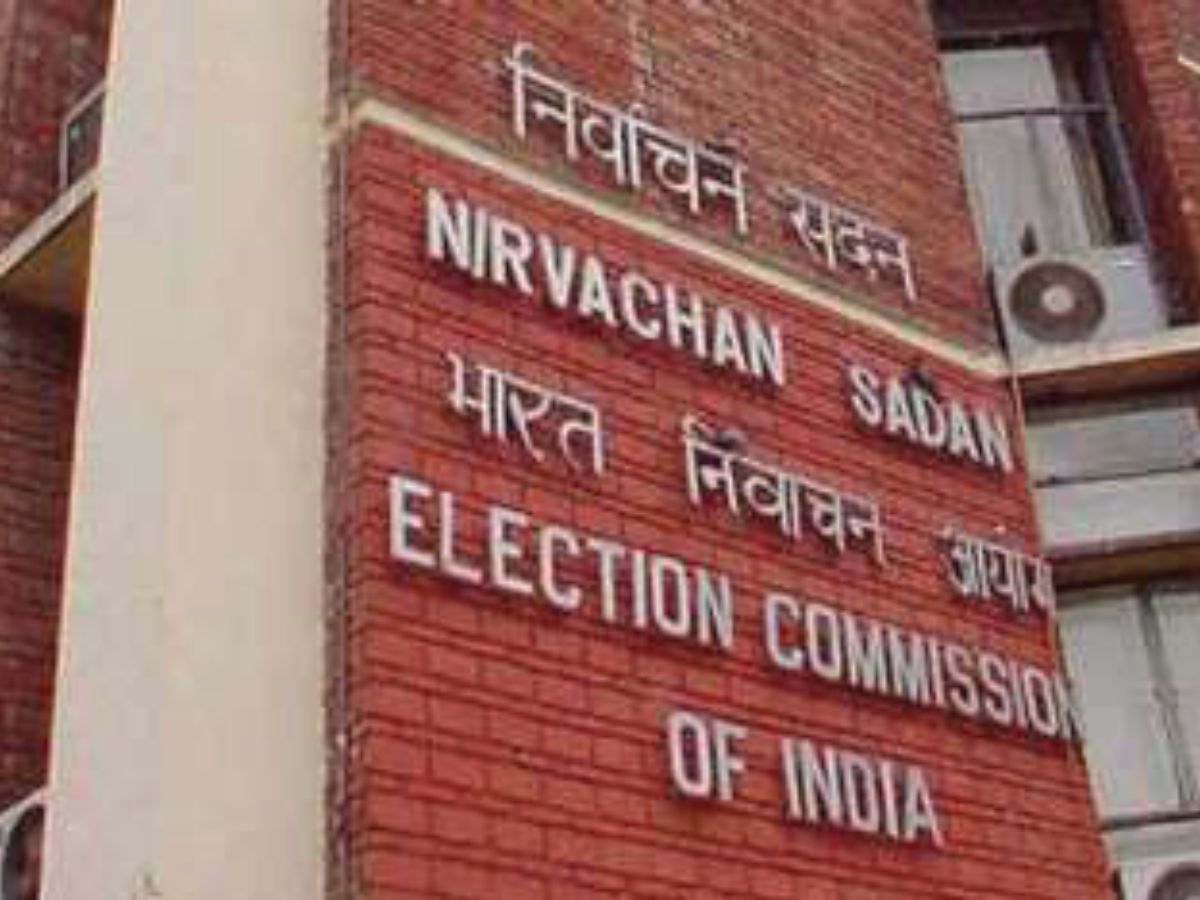
Amid resistance and pressure from West Bengal’s ruling Trinamool Congress (TMC), the Election Commission of India (ECI) has appointed 12 additional Special Electoral Roll Observers (SROs) to oversee the ongoing Special Intensive Revision (SIR) of electoral rolls in the State.
With these appointments, the total number of Special Electoral Roll Observers in West Bengal has risen to 33—the highest among all States and Union Territories where the SIR exercise is currently underway.
The newly appointed observers are Harsh Mangla, Nand Kumarum, P. Bala Kiran, Prasanna R, Raghav Langer, Ravi Shankar, Shashank Mishra, V. Kiran Gopal, S. Venkateshpathy, Nishitha Upadhyay, Devesh Daval, and Gaya Prasad. All are senior IAS officers presently serving outside West Bengal. Notifications appointing them were issued on Tuesday.
Since the launch of the SIR, the ECI has steadily increased the number of observers, citing the sensitivity of the voter list revision in the State. The overall team of Special Electoral Roll Observers in West Bengal is led by Subrata Gupta, a retired IAS officer from the West Bengal cadre.
These 33 SROs will work alongside 6,500 micro-observers already deployed by the ECI to monitor hearings on claims and objections to the draft electoral rolls. The induction of micro-observers is unique to West Bengal among all regions currently undergoing the SIR.
West Bengal Chief Minister Mamata Banerjee has written to Chief Election Commissioner Gyanesh Kumar objecting to the appointment of micro-observers, alleging that the SIR is being conducted with the intent to delete and exclude existing voters rather than correct errors or include new ones.
Sources in the office of the West Bengal Chief Electoral Officer said the decision to appoint 12 more SROs followed concerns that the conduct of certain District Magistrates, District Electoral Officers (DEOs), Electoral Registration Officers (EROs), and Assistant Electoral Registration Officers (AEROs) was not fully aligned with ECI guidelines.
The move comes as the Election Commission attempts to ensure a smooth and credible SIR amid sustained protests and disruptions by Trinamool Congress leaders. Led by Mamata Banerjee, the party has repeatedly accused the poll panel of harassment and questioned the manner in which the revision exercise is being carried out.
Over the past two days, protests and incidents of violence have been reported across the State under the banner of opposing “SIR harassment”. In several areas, BJP workers were allegedly assaulted by TMC activists while attempting to reach hearing centres to submit Form 7, which is used to flag names for possible deletion. Police personnel reportedly remained passive in many instances, even as hearings were disrupted and venues vandalised.
In Basanti in South 24 Parganas, the Block Development Office hosting SIR hearings was attacked, with furniture and documents damaged. Similar scenes were reported from Sandeshkhali in North 24 Parganas.
Road blockades and tyre-burning protests were witnessed across South 24 Parganas, North 24 Parganas, Jhargram, and Purba Medinipur on Tuesday and Wednesday, prompting authorities to deploy additional security forces.
The escalation followed the Supreme Court’s observation on Monday that the SIR process must be “transparent” and should not cause “inconvenience” to voters. The apex court directed the Election Commission to publicly display lists of voters flagged for “logical discrepancies” at gram panchayat offices and block offices, enabling citizens to submit documents and objections.
Protesters have alleged that elderly citizens and genuine voters are being served SIR notices despite possessing valid documents, on grounds such as “logical discrepancies” or mismatches with the 2002 voter list—the year when the last SIR was conducted in West Bengal. The core grievance centres on what demonstrators describe as the arbitrary exclusion of eligible voters from the electoral rolls.