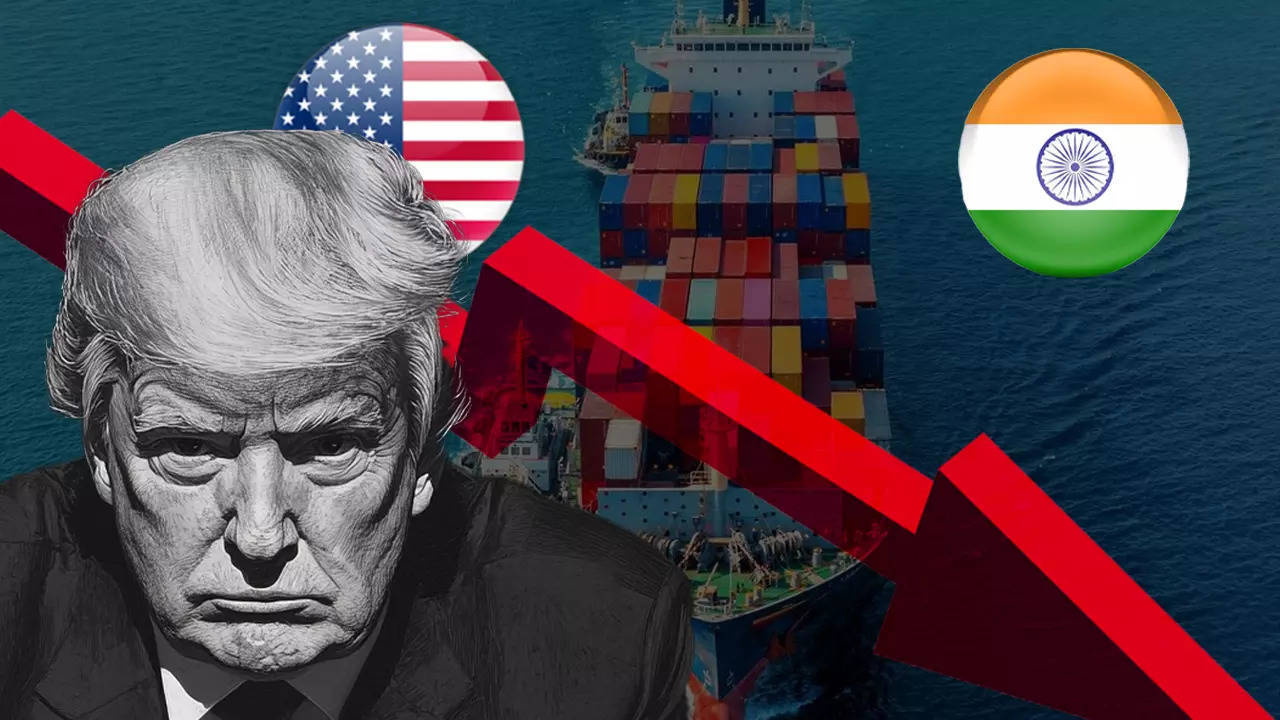
On July 30, 2025, President Trump announced 25 percent tariffs ‘plus penalty’ on imports from India, starting August 1, 2025. The delay in trade negotiations between the countries has been further complicated by India’s continued purchase of Russian oil and military hardware during the Ukraine conflict. High trade barriers and dependence on Russian energy were slammed by Trump as he criticized India: “India has the most strenuous and obnoxious non-monetary trade barriers of any country.” He further claimed India’s actions are “not good”, and besides the tariff, there would be some unspecified penalty against India for its ties with Russia.
“Remember, while India is our friend, we have, over the years, done relatively little business with them because their Tariffs are far too high, among the highest in the World, and they have the most strenuous and obnoxious non-monetary Trade Barriers of any Country,” he wrote.
The US President added, “Also, they have always bought a vast majority of their military equipment from Russia, and are Russia’s largest buyer of ENERGY, along with China, at a time when everyone wants Russia to STOP THE KILLING IN UKRAINE — ALL THINGS NOT GOOD! INDIA WILL THEREFORE BE PAYING A TARIFF OF 25%, PLUS A PENALTY FOR THE ABOVE, STARTING ON AUGUST FIRST. THANK YOU FOR YOUR ATTENTION TO THIS MATTER. MAGA!”
US Senator Lindsey Graham had threatened last week that Trump will impose harsh penalties on nations who still buy oil from Russia, citing Brazil, China, and India as examples.
Economic Ramifications for India
The 25 percent tariff, along with a penalty will have profound economic implications for India. The Indian rupee has already begun its downward slide, reaching a four-month low against the dollar. Analysts expect it to breach the 87-per-dollar mark that may prompt intervention by the Reserve Bank of India to arrest the slide. Added to this, the sow-to-thousandcr foreign portfolio outflows have intensified, with over$1.5 billion recorded as net sales of stocks by foreign investors in July alone.
Trump’s decision shows the broader geopolitical tensions developing between the U.S. and India. Indeed, even India considers the strategic partner, the U.S. feels that India’s defense and energy cooperation with Russia undermines the international efforts to isolate the country. The added penalties against India denote the commitment of the U.S. to pressure states continuing their engagement with Russia, especially countries buying significant volumes of energy and military equipment from Russia.
“India has been a good friend, but India has charged basically more tariffs than almost any other country… You just can’t do that,” Trump was quoted as saying aboard Air Force One on Tuesday.
Piyush Goyal, the minister of commerce, stated earlier this month that India does not engage into trade agreements based on deadlines and will only approve the proposed trade agreement with the US once it is complete, correctly concluded, and in the best interests of the country.
Prospects and Future Negotiations
In the coming months, the U.S. and India will be meeting again in trade talks in August, with aims of reaching a bilateral trade agreement by September or October. However, 25% tariffs and extra penalties might create problems during the agreement talks. India has stated that it will refrain from granting any new trade concessions till after the U.S. deadline on August 1 and focus rather on cementing a comprehensive agreement within the next few months.
The United States found it necessary to impose a 25% tariff plus a penalty on Indian imports in retaliation for India’s ties with Russia, which marked a galloping escalation of trade and geopolitical woes between the two countries. Already, the economic consequences are being felt in India: currency depreciation, volatility in stock markets; whether they spell doom for negotiations is yet to unfold.
As he urged three nations to stop commerce, NATO commander Mark Rutte also threatened nations doing business and trade with Russia with 100% tariffs and further penalties, concentrating on China, Brazil, and India.
He issued a second extension until August 1 as India rushed to finalize the trade agreement with the United States, since the first extension’s deadline ended on July 9.