Political tensions are running high in Karnataka as speculation swirls over a possible leadership change. But Deputy CM DK Shivakumar has sent a clear message: he will wait as long as the party demands. Meanwhile, CM Siddaramaiah joined him in publicly declaring unity — and stressed they would follow whatever decision the central leadership makes.
Shivakumar Says He’s Ready to Wait
DK Shivakumar recently stated, “If the high command says wait, I have waited, and I will wait. I will do whatever the high command tells me.” He added that if the party asks, he is ready to head to Delhi. By stressing his patience, he dismissed rumours of internal conflict and sought to reassure party workers.
Siddaramaiah Backs Unified Front
Siddaramaiah echoed Shivakumar’s stance. He said the Congress high command’s decision would be final: “Whatever the high command says, we will go by that.” He insisted there was “no confusion” in the government or party.
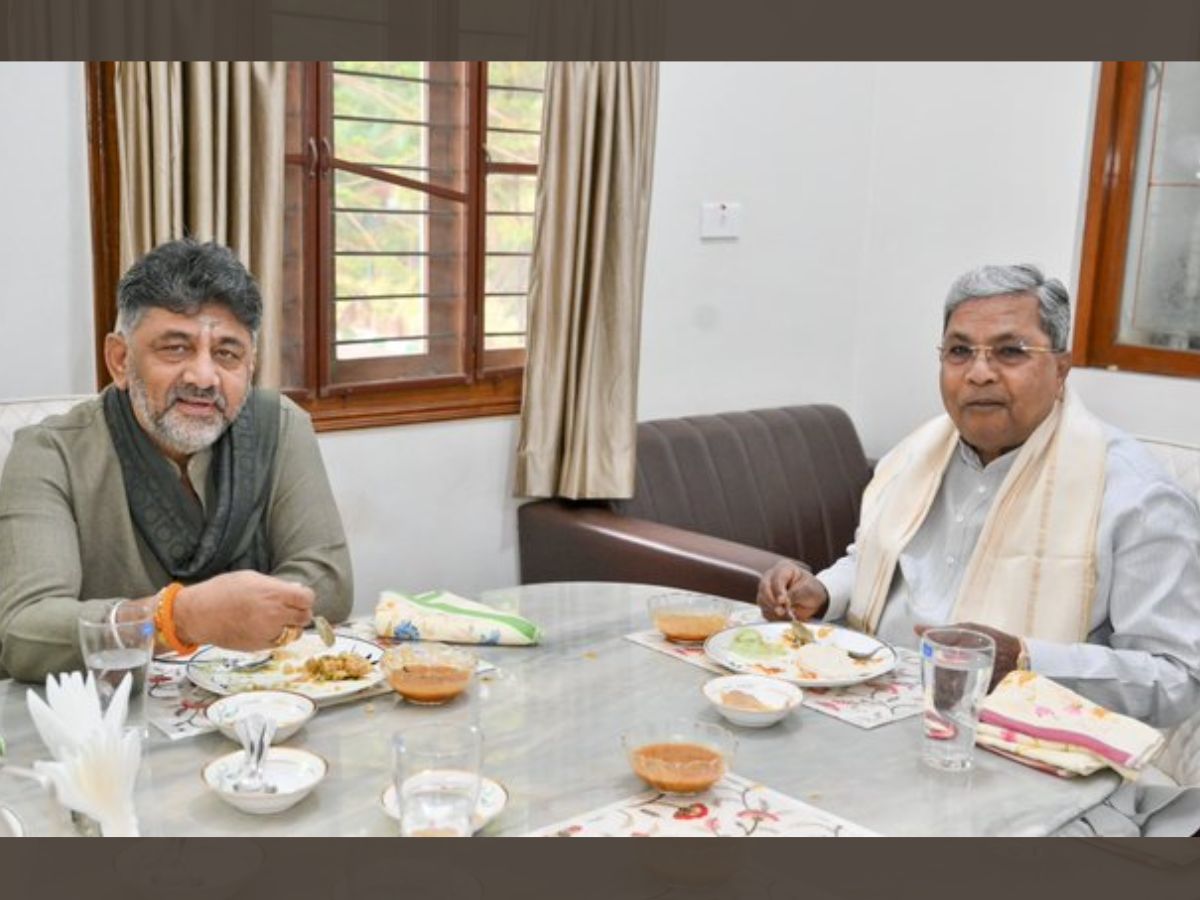
The two leaders held a breakfast meeting and later addressed the media together. They emphasised their shared plan: focus on upcoming local polls and the 2028 Assembly election.
What Sparked the Leadership Buzz?
The rumours stem from a speculative agreement believed to have been made in 2023, when Congress won the state election. Under that understanding, Shivakumar was expected to become Chief Minister halfway through the five-year term.
That timeline ended around November 20, 2025, which triggered renewed calls and pressure from some MLAs for a change in leadership.
Why This Time Could Affect Karnataka’s Political Stability?
With the Congress government completing half its term, expectations and internal lobbying have surged. Several party insiders have visited Delhi to press their demands. Analysts warn that any delay or confusion could erode public trust and destabilise governance at a critical period.
In this backdrop, Shivakumar’s decision to publicly wait — instead of creating more pressure — may signal a desire to avoid a public showdown. It also gives the high command breathing space to mediate without immediate chaos.
Can Waiting Restore Unity Or Mask More Fissures?
Shivakumar’s commitment to waiting shows discipline, but some observers argue it may only mask deeper unrest. If the high command delays its decision or fails to satisfy expectations, frustration could resurface — risking factionalism when elections approach.
Meanwhile, the public face of unity — a joint breakfast, shared press meets — may help the party project stability. But trust-building will require more than words. It will need concrete assurances of roles, respect within the leadership, and a transparent roadmap toward the 2028 polls.
For now, Karnataka watchers must watch: Is this calm a genuine truce — or a temporary pause before the next round of political games?