
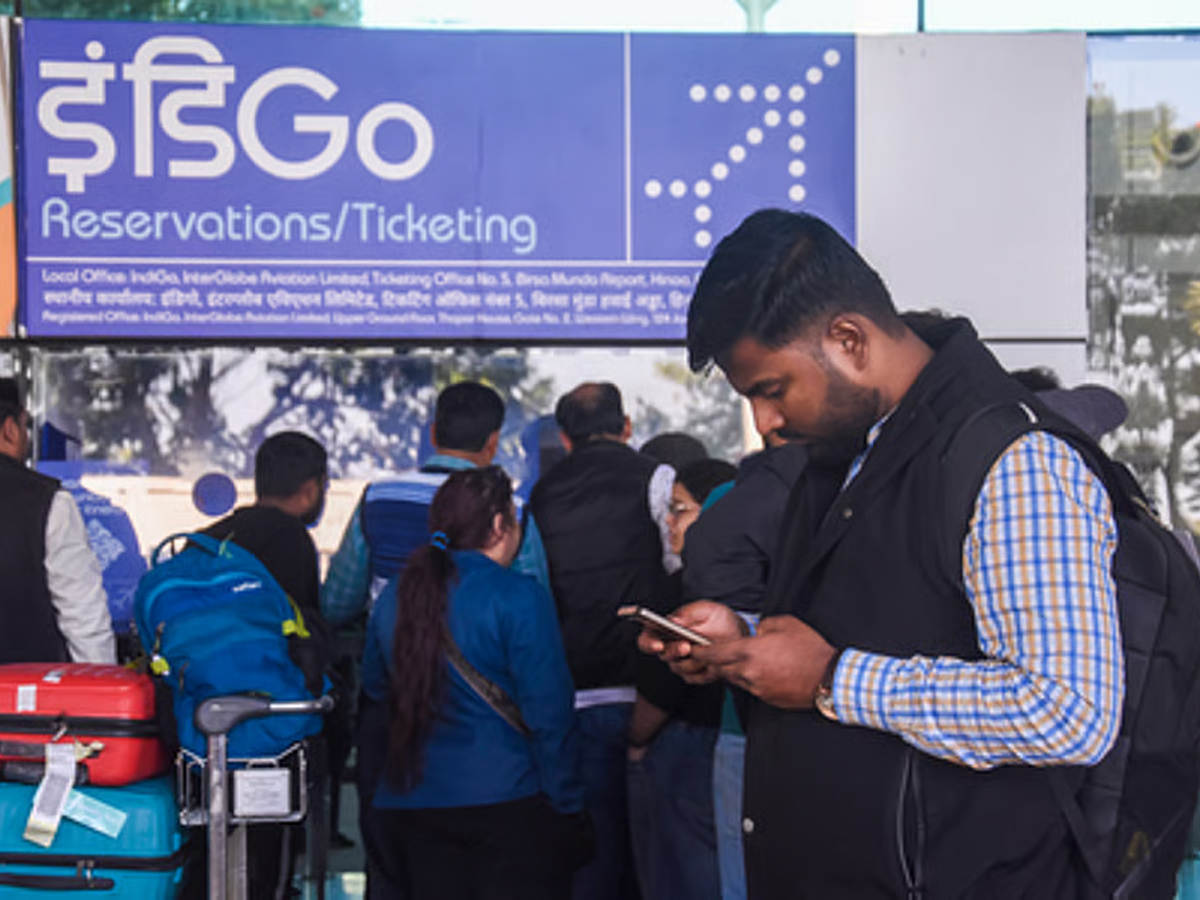
The aviation regulator has launched a country-wide inspection of eleven airports after passengers across India faced major inconvenience from extended flight delays and cancellations by a leading airline. The move marks a firm push to hold airports and airlines accountable and to identify reasons behind the ongoing disruption.
Officials have been instructed to visit each airport within two to three days. They must submit detailed reports within 24 hours of inspection, documenting everything from passenger safety to facility hygiene.
Which Airports Are Under the Scanner
The airports selected for inspection are spread across the country, including Nagpur, Jaipur, Bhopal, Surat, Tirupati, Vijayawada, Shirdi, Cochin, Lucknow, Amritsar, and Dehradun. The list covers regional hubs as well as major cities.
Regulators will focus on key areas: on-ground safety, terminal crowding, queue management, delay-handling, and support for vulnerable passengers like seniors, children, pregnant women, and persons with reduced mobility.
What Inspectors Will Check — From Delays to Drinking Water
DGCA’s order directs inspectors to examine:
- Delay and cancellation statistics.
- Terminal congestion and crowd control.
- Queue management at check-in, security, and boarding gates.
- Availability of airline help desks and response time.
- Cleanliness and hygiene of toilets and waiting areas.
- Access to essentials — drinking water, seating, shelter.
- Support for elderly, pregnant women, and differently-abled travellers.
- Effectiveness of grievance-handling mechanisms.
- Status of pending baggage deliveries and backlog clearance.
- Communication — whether airlines sent timely SMS/WhatsApp/email alerts about delays or cancellations.
Officials must also interact with random passengers to gather direct feedback about the support they received.
Why This Inspection Matters — Bigger Than Delays
This move by DGCA is more than a routine audit. It signals rising regulatory pushback on repeated failures that cause public suffering. With large-scale flight disruptions, often downplayed as “technical snags”, the regulator now wants transparency and stronger accountability.
The inspections probe both infrastructure readiness and on-ground staff efficiency. Inspectors must assess whether airports and airlines are equipped to handle stress situations and whether they offer adequate help, especially when flights are delayed or cancelled.
Passengers, Airports & Airlines — What Comes Next
If inspectors find serious lapses, DGCA may order corrective action, impose penalties, or even suspend operations until compliance. For travellers, this could mean better facilities and fewer surprises. Airlines may have to tighten on-ground coordination and improve customer communication.
The outcome could reshape how companies plan flight operations, with stronger emphasis on contingency protocols and passenger welfare, not just schedule efficiency.
A Test for India’s Aviation Oversight
This inspection may set a precedent. As air travel grows rapidly, regulators must ensure that speed doesn’t override safety and service. If DGCA’s report leads to strict reforms, it could mean a more accountable, passenger-friendly aviation industry in India.
But the real success will show in what travellers feel: fewer delays, clearer communication, cleaner terminals, and a smooth travel experience, even when flights go off-schedule.