Anniversaries in uniformed service rarely feel ceremonial to those who have lived them. The Diamond Jubilee of 220 Squadron — the Desert Tigers — carried that unmistakable blend of pride and reflection, marking sixty years of flying, fighting and remaining ready, often without fanfare.
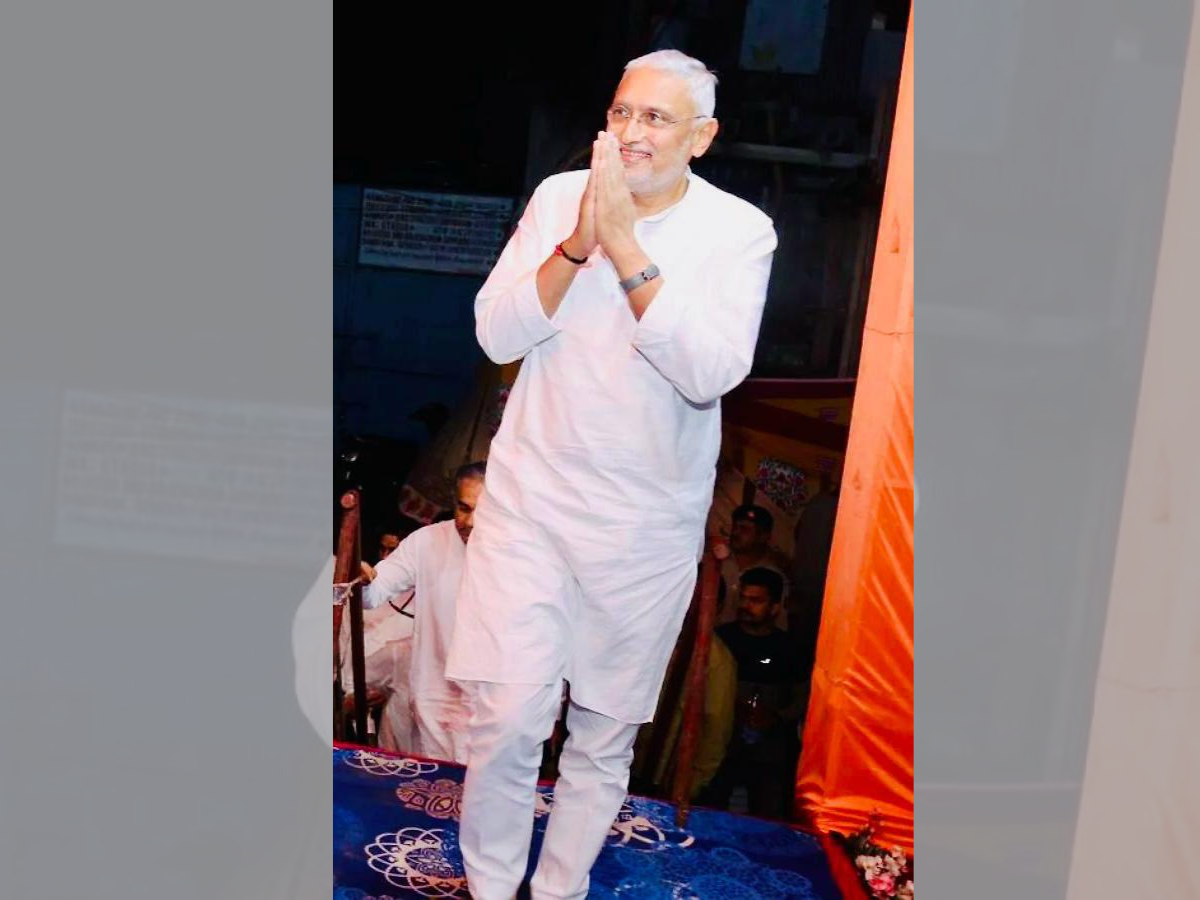
The gathering itself told the story. Air Marshal Inderpal Singh Walia, Air Officer Commanding-in-Chief, Eastern Air Command, and Air Marshal JS Mann, Senior Air Staff Officer, Western Air Command, joined a hall filled with veterans — men whose younger selves once strapped into cockpits bearing the same insignia. Conversations drifted easily across decades: aircraft types, old detachments, names recalled instantly after years apart.
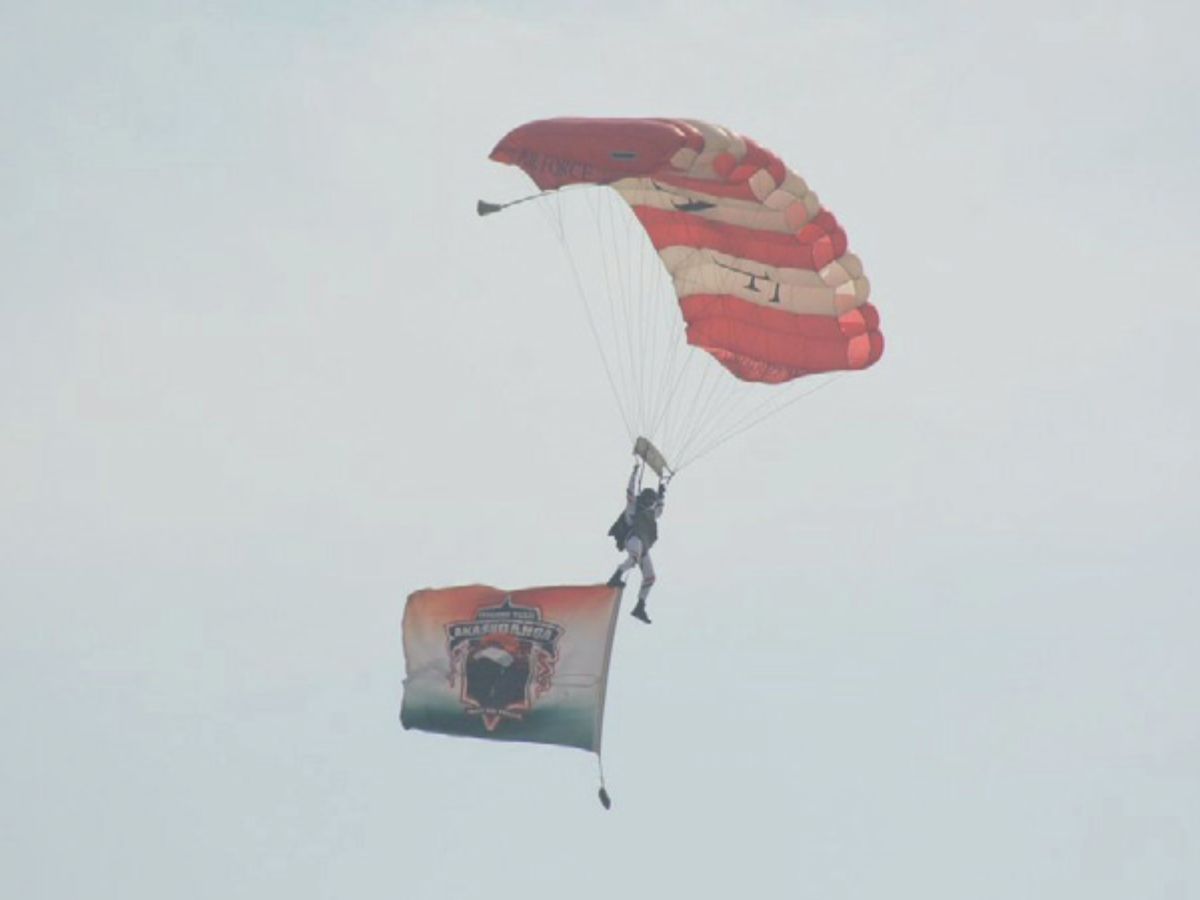
When the ceremony began, it was sharp and restrained. The Air Warrior Drill Team moved with faultless cadence, boots striking the ground in exact unison, each turn executed cleanly. Then eyes turned skywards. The Akashganga Team descended in slow, controlled arcs, canopies opening like sudden blossoms against the blue — a spectacle, certainly, but also a reminder of the airman’s oldest trust: fabric, air, judgement.
The Desert Tigers’ history is firmly interwoven with India’s own. The squadron flew in the air campaigns of 1965 and 1971, missions carried out low and fast in contested skies. During Kargil, its aircraft again bore the burden of precision and persistence in unforgiving terrain. More recently, the unit has been part of Operation Sindoor — proof that its legacy is not preserved in museums but carried forward.
Sixty years on, what endures is less a slogan than a habit — readiness assumed, vigilance routine, success pursued without proclamation. The Desert Tigers remain what they have always been: present when called, prepared before asked.