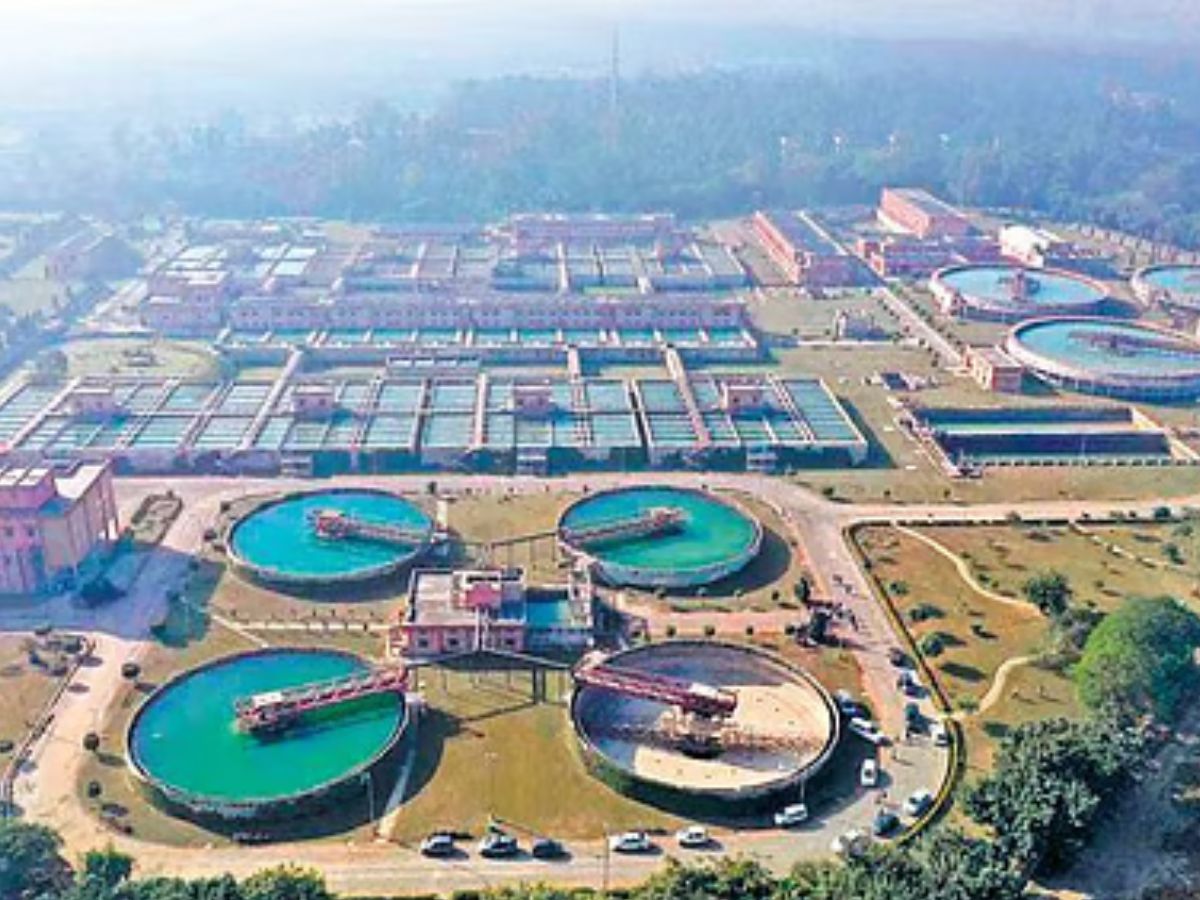
The Delhi government has intensified its efforts to improve water management and reduce wastage with the construction of a modern 105 million gallons per day (MGD) water treatment plant at Chandrawal. The Rs 599-crore project, scheduled for completion in 2026, is expected to significantly enhance the availability and quality of drinking water in the national capital. In preparation for the upcoming summer months, the Chief Minister on Monday chaired a high-level review meeting of the Delhi Jal Board (DJB) at the Delhi Secretariat. The meeting, attended by Water Minister Pravesh Sahib Singh and senior officials, focused on assessing the progress of key water infrastructure projects and strategies to curb water losses.
During the meeting, the Chief Minister highlighted that the Chandrawal water treatment plant would be a major boost to Delhi’s water supply system. Once commissioned, the facility will cater to an area of approximately 92 square kilometres—around 6.20 per cent of the city’s total geographical area—and is expected to reduce leakage and technical losses while ensuring a more reliable and improved quality water supply.
Although the project received approval in 2012, it remained stalled for several years due to repeated tender cancellations and inadequate adherence to guidelines of the Japan International Cooperation Agency (JICA) under the previous government. These setbacks resulted in a cost escalation of nearly Rs 400 crore.
Officials said the current government has revived the project through better coordination with JICA and the Government of India, along with the resolution of longpending technical issues.
As part of the broader upgrade, water supply and distribution pipelines are being replaced at an estimated cost of Rs 1,331 crore. Of the three distribution projects—West Chandrawal, East Chandrawal and Central Chandrawal—two have already been awarded.
The pipeline replacement work will span nine Assembly constituencies and cover key localities such as Karol Bagh, Civil Lines, Kamla Nagar, Malka Ganj, Shadipur, Patel Nagar, Shastri Nagar, Naraina, Zakhira, New Rajendra Nagar, Hindu Rao, Idgah, Jhandewalan, Ridge Road, Ramlila Ground and Subhash Park. Officials added that the project also involves strengthening underground reservoirs, installing water meters, preventing contamination, and setting up grievance redressal centres. The government aims to reduce non-revenue water—from the current 30–45 per cent—to below 15 per cent within three years. Maintenance of the newly laid pipelines will be carried out under a separate 12-year agreement.
The Chandrawal water treatment plant is expected to serve nearly 11 per cent of Delhi’s population.