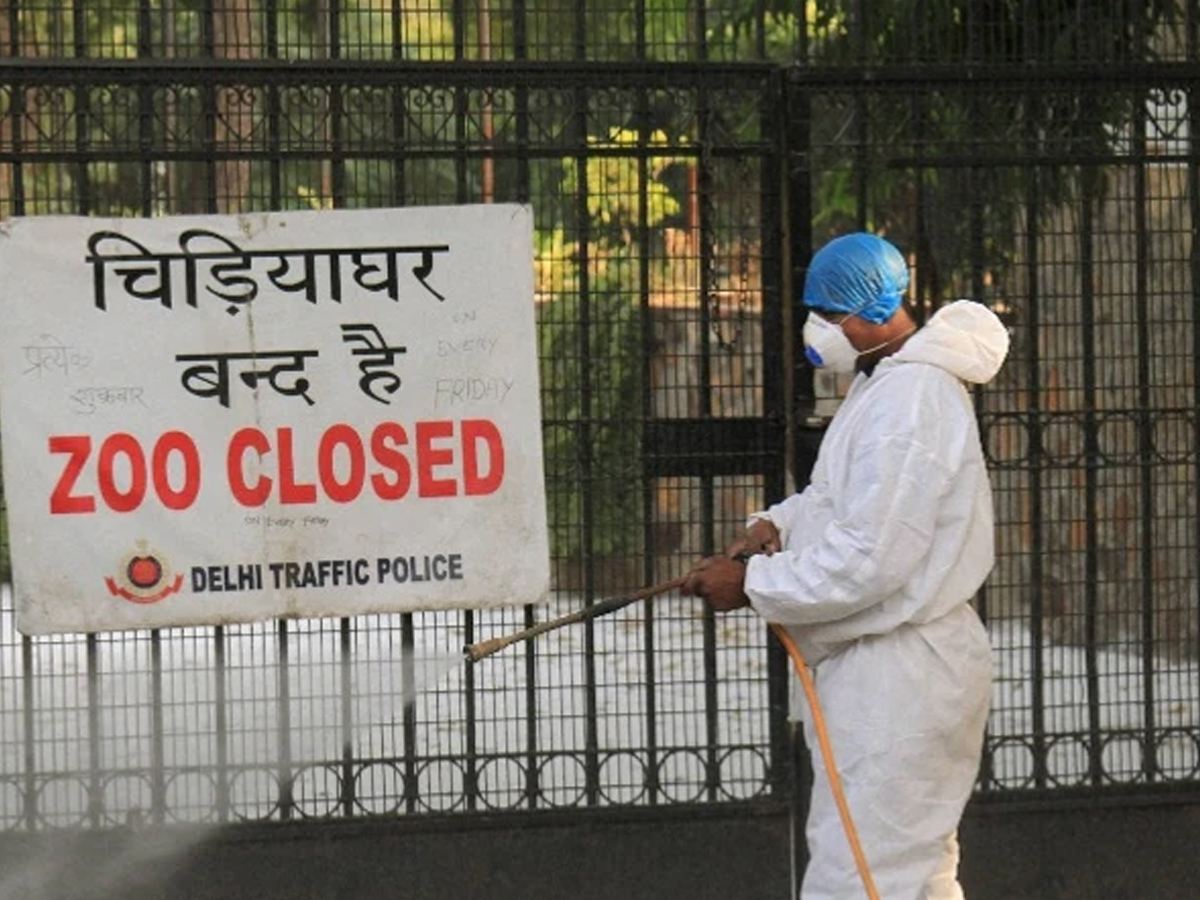
The National Zoological Park in Delhi has been closed for visitors after a confirmed outbreak of bird flu. Authorities took this step after painted storks and black-necked ibises were found dead inside the zoo. Samples from the birds were tested at the ICAR-National Institute of High Security Animal Diseases (NIHSAD), Bhopal. On August 28, the institute confirmed that the H5N1 strain of avian influenza caused the deaths.
The closure, which started on August 30, is a precaution to protect people and animals. Officials said the next 21 days are critical for containment and monitoring.
Strict Safety Measures in Place
The zoo management and the Central Zoo Authority (CZA) have enforced safety measures. They include:
- Intensive surveillance of all birds.
- Segregation and testing of captive and migratory species.
- Disinfection of enclosures and surroundings.
- Restricted visitor entry until further orders.
Officials have also placed tigers, lions, and other animals under close watch. In the past, big cats in some Indian zoos have died after catching bird flu, which makes the current situation more concerning.
National Zoological Park, Mathura Road, New Delhi to remain closed for visitors temporarily from 30.08.2025 till further order as two samples have tested positive for H5N1 Avian Influenza Virus. pic.twitter.com/7BWBsV0HnU
— ANI (@ANI) August 30, 2025
How Long Will the Zoo Remain Closed?
As per the CZA guidelines, reopening will only be possible after two consecutive negative test results. Fresh sampling will be done every 15 days, for at least four rounds, before a final decision is taken. Birds that test negative will not be culled, especially if they are rare or endangered.
Past Bird Flu Cases in Delhi
This is not the first time Delhi has faced a bird flu scare. In 2016, Delhi Zoo had to close temporarily after several birds died due to H5N1, and the outbreak spread fear among residents, as dead crows and ducks were also reported in other parts of the city. The closure lasted for weeks before authorities cleared the zoo for reopening.
In 2021, Delhi again reported cases of avian influenza in ducks at Sanjay Lake and in wild birds in nearby areas. At that time, authorities had quickly culled poultry in nearby regions and disinfected water bodies to stop the spread.
These past cases show how fast the virus can spread and why strict precautions are necessary.
Why Bird Flu Is a Serious Threat
Avian influenza spreads among birds but can sometimes infect humans and other animals. With a high fatality rate in humans, the H5N1 strain is particularly dangerous. Authorities are keeping strict control to ensure the virus does not spread outside the zoo.
Authorities have advised the public to stay away from sick or dead birds. People should also avoid handling raw poultry without proper cooking and hygiene. The government has said it is safe to eat properly cooked chicken and eggs, but caution is necessary.
ALSO READ: ‘Modi-San Welcome’ in Japan: What San Means and Why It Matters?