
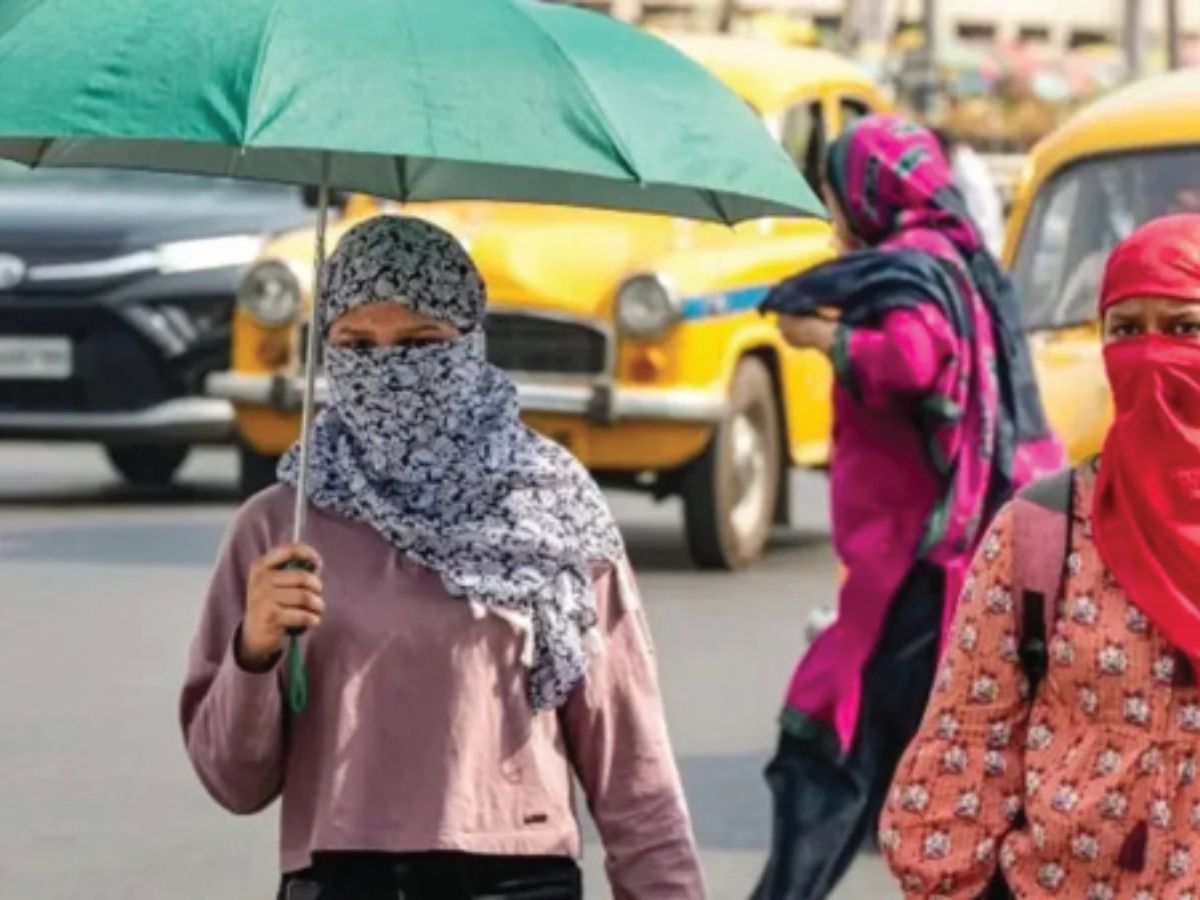
In a new initiative aimed at providing relief from the intense summer heat, the Delhi government is set to launch a solar-powered public cooling structure in northwest Delhi as a pilot project, officials said on Thursday.
The project is part of the government’s broader heat action strategy as the national capital continues to experience prolonged heatwave conditions and rising temperatures during the pre-monsoon season.
Additional cooling structures are also being planned across the city, which will offer shaded resting spaces equipped with mist-based cooling facilities for commuters, labourers and residents exposed to extreme weather conditions.
Designed in the shape of a small hut, the structure will use traditional khus grass padding on all sides along with a sprinkler-based misting system to create a natural cooling effect for visitors sitting inside, an official told PTI.
The facility, currently under construction, is expected to be completed by the end of May and inaugurated by Chief Minister Rekha Gupta during the first week of June in Shalimar Bagh.
People visiting the cooling hut will have access to seating arrangements, cold drinking water dispensers and charging sockets for mobile phones. Solar panels installed on the roof will power the facility, making it energy-efficient and suitable for use during peak summer months.
“The idea is to create a public cooling zone where people, especially labourers, commuters and residents exposed to extreme heat, can sit for a while and get relief from high temperatures,” the official said.
The misting effect generated through the khus grass and sprinklers is expected to reduce the surrounding temperature and help lower the risk of heat-related illnesses such as dehydration, exhaustion and heatstroke.
Officials said the use of khus grass revives a traditional Indian cooling technique historically used in homes before the widespread use of air-conditioning systems. The natural fragrance and evaporative cooling properties of khus are expected to make the structure more comfortable and environmentally sustainable.
The Shalimar Bagh installation will function as a pilot project and its performance will be closely monitored during the peak summer period.
If the public response is positive and the model proves effective, similar cooling huts may be installed in markets, transport hubs and densely populated areas across the city in the coming months.
The initiative comes amid continuing heatwave conditions in Delhi, where temperatures have remained above normal over the past several weeks. The city recently recorded its hottest night in 14 years, with the minimum temperature touching 32.4 degrees Celsius, 5.6 degrees above the seasonal average.
As part of its ongoing heat action campaign, the Delhi government has also deployed mobile cooling and heat relief units across multiple districts.