
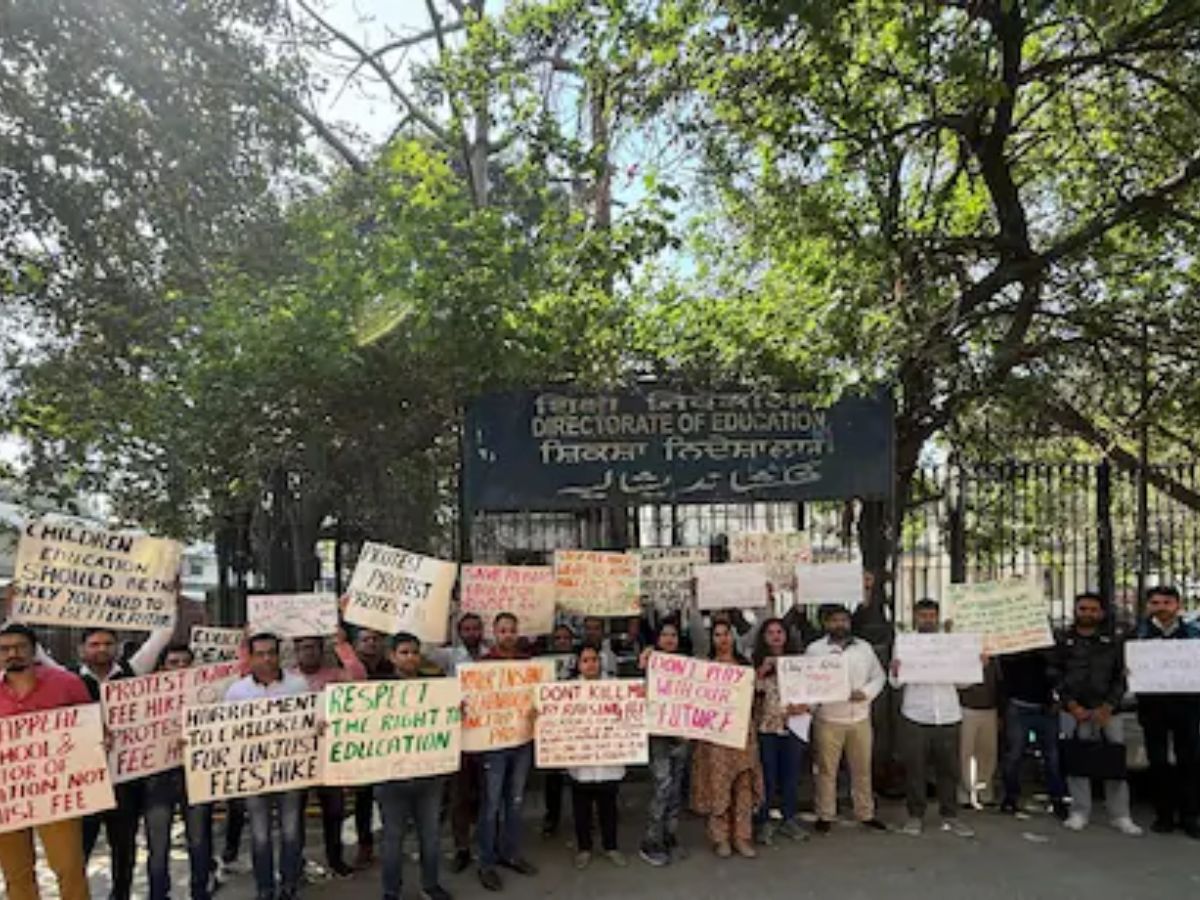
In a sweeping policy shift, the Delhi government plans to extend fee regulation norms, once applicable only to select schools under the Delhi Development Authority’s (DDA) land clause—to all government and private schools. Education minister Ashish Sood announced on Thursday that the Delhi School Education (Transparency in Fixation and Regulation of Fees) Bill, 2025, is likely to be passed in the ongoing Monsoon Session on Friday.
The move, he said, will ensure equitable applicability and bring relief to thousands of parents facing steep, unchecked hikes. “This bill replaces a toothless, reactive framework with a proactive, empowered, and transparent one,” Sood told reporters, adding that the change would “end a decade of unchecked profiteering by private institutions.”
Why the Old Rules Fell Short
Until now, the fee regulation mandate applied to only about 350 of Delhi’s 1,443 schools—those allotted subsidized land by the DDA. These schools were required to seek Department of Education (DoE) approval for any fee hike via an online portal. Smaller private schools, especially in less affluent areas like Najafgarh, often went unmonitored despite imposing significant hikes.
Sood pointed out that a 50% increase, from ₹1,000 to ₹1,500 per month—can be devastating for parents of children in these schools, yet complaints were rare. “Earlier, the DoE could only approve the fees increased by schools under the land clause,” he said. “The parents of smaller schools often stayed silent, even when hikes were crushing.”
Also Read: NSA Ajit Doval Meets Putin in Moscow Amid Tariff Tensions with US
Data Shows Fee Hikes Outpacing Oversight
Figures accessed show that fee hike proposals under the land clause have surged. From 168 proposals in 2016-17, the number climbed to 262 by 2023-24. Approval rates also jumped—from 40% in 2019-20 to 67% in 2023-24. But in 2024-25, an election year, 244 proposals were submitted and none were acted upon.
Sood accused the previous government of failing to enforce its own rules, citing rare audits, legal ambiguities, and a 2024 Delhi High Court stay order that, he said, paralysed the DoE.
What’s in the New Bill
The proposed law introduces:
-
Mandatory audits of school accounts
-
A three-tier regulatory framework
-
Empowered parent committees
-
Strict penalties for violations
-
Public disclosure of fee structures and audits
According to Sood, these tools were missing from earlier frameworks and will close long-standing enforcement gaps.
Voices of Support and Skepticism
Parents like Karan Aggrawal, whose child attends Sardar Patel Vidyalaya, are cautiously hopeful. “We just want one thing—that school fees shouldn’t be so high that a middle-class parent can’t afford it,” he said.
However, the National Progressive Schools’ Conference (NPSC) cautioned that operational costs—such as teacher salaries and fuel—rise annually and must be factored into any fee regulation. “Every school’s fees largely depend on these factors,” said NPSC chairperson Asha Prabhakar.
Critics from the opposition Aam Aadmi Party (AAP) allege the bill’s real purpose is to shield elite schools from court rulings. “With this new act, these private schools will attempt to bypass the requirement of seeking prior permission from the director of education,” said AAP Delhi president Saurabh Bharadwaj, claiming it could also legalize past unapproved hikes.
The Road Ahead
Parent groups like the Delhi Parents Association want more transparency before the bill is implemented, including an accurate count of all schools and the inclusion of play schools in the regulation. “The number of schools stated by the government keeps changing,” said association president Aparajita Gautam.
If passed, the bill will mark the most comprehensive overhaul of Delhi’s school fee regulation system in decades, one that could either stabilize household budgets or spark new disputes between schools, parents, and the government.