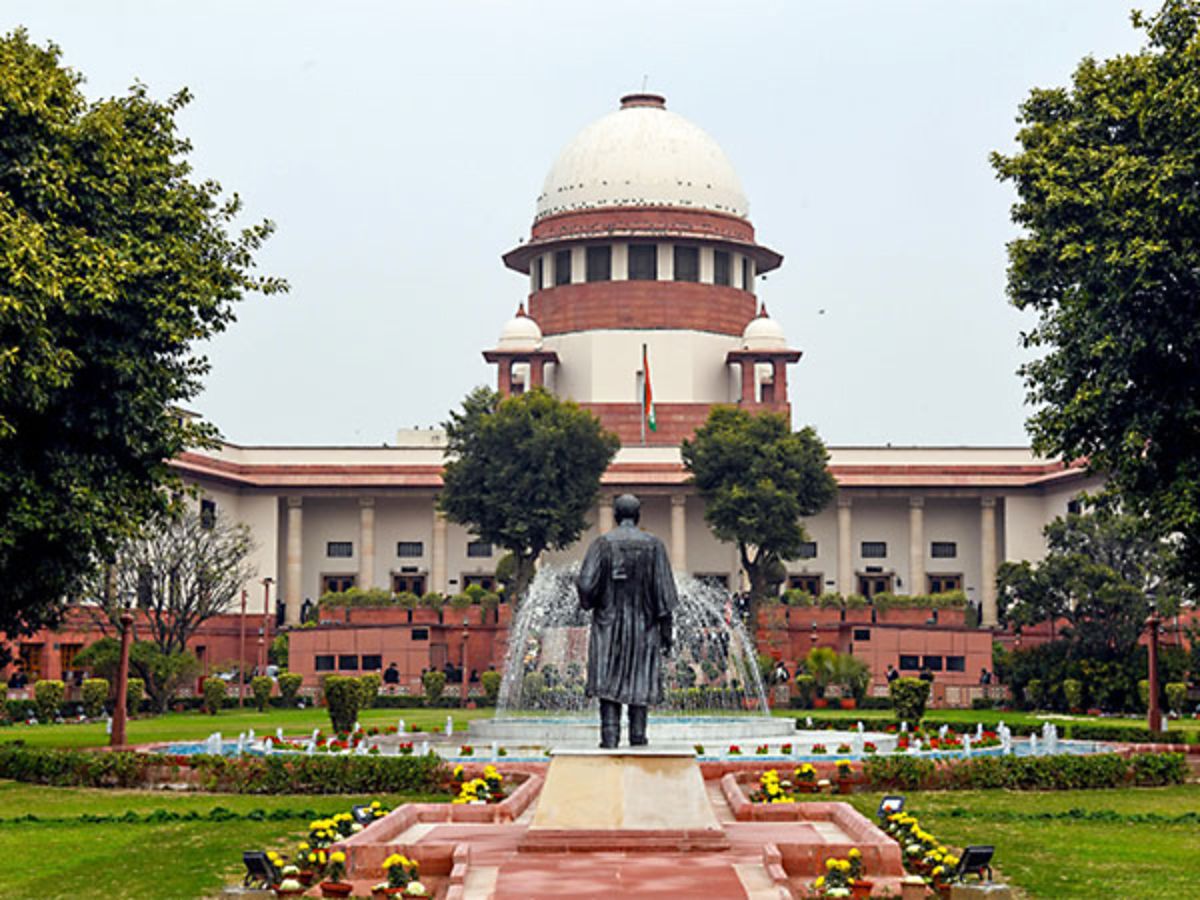
The Supreme Court on Monday issued an interim order on pleas questioning the constitutional validity of the Waqf Act, 2025, putting on hold some provisions but declining to postpone the law as a whole. A bench headed by Chief Justice of India B. R. Gavai said it ‘did not find any case to stay provisions of the entire statute’.
One of the most important provisions suspended is Section 3, which stipulated that only someone practicing Islam for five years or more can establish a waqf. The Court declared that this stay shall remain in effect until state governments formulate rules to confirm such practice.
The bench also partially stayed directions pertaining to waqf property inquiries. It held that a property cannot be declared non-waqf just on the basis of a report by a designated officer. “Revenue records and board records will not be modified on the basis of only such reports,” the Court instructed.
In addition, already existing waqfs shall not be deprived of their properties, nor shall official documents be altered, until the Waqf Tribunal under Section 83 provides a final order, subject to appeal in the High Court. Nonetheless, the Court warned that ‘during such proceedings, no third-party rights can be created in respect of those properties’.
On representation, the Court capped the number of non-Muslims in principal bodies. The Central Waqf Council can have at most four non-Muslim members out of 22, and state waqf boards can have up to three non-Muslims on their 11-member panels.
Regarding the appointment of the CEO of the Waqf Board, the Court did not suspend Section 23, under which the CEO is ex officio Secretary. It recommended, however, that “as far as possible, the CEO shall be appointed from the Muslim community.”
The Supreme Court emphasized that these instructions are interim in character and will not preclude the final hearing of the constitutional validity of the amended provisions.