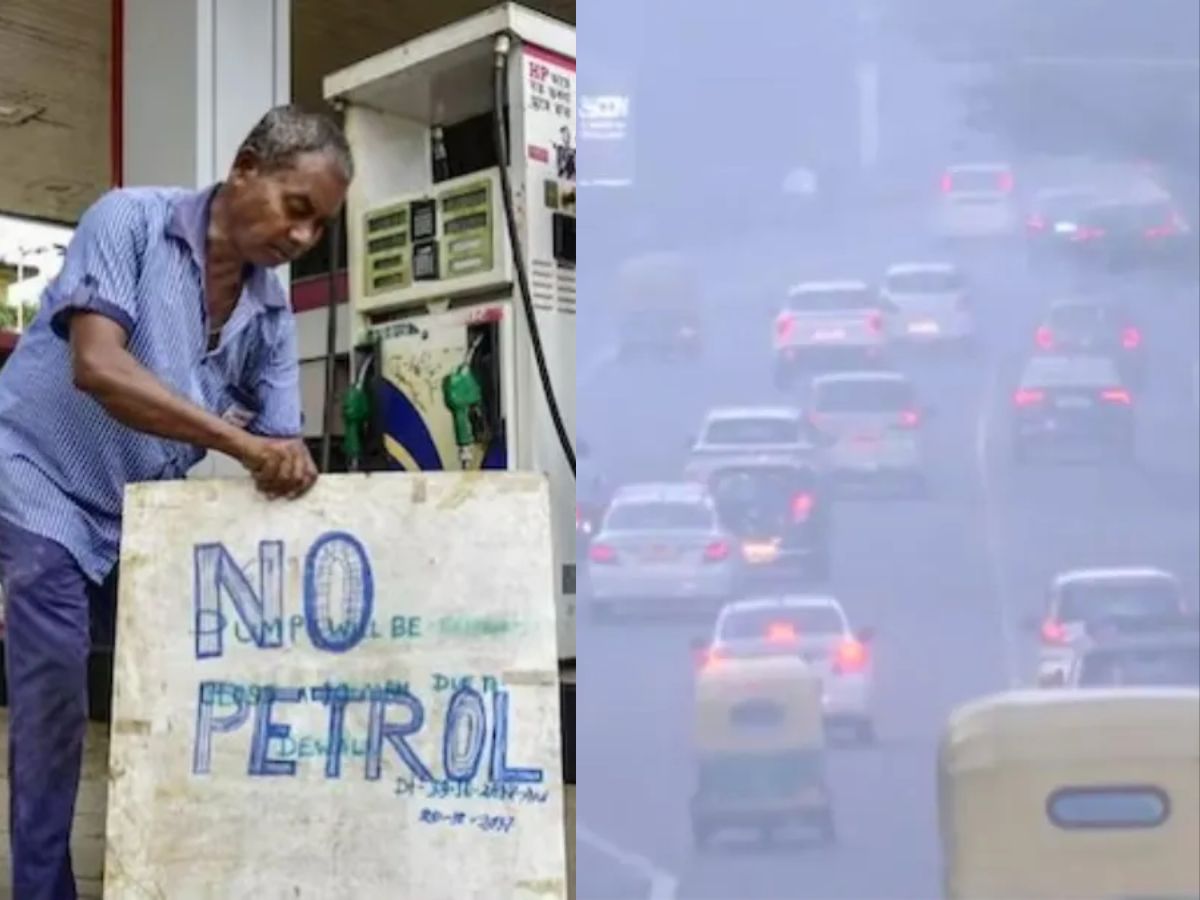
Starting this week, the Delhi government has put a strict rule in place to reduce dangerous air pollution. Only vehicles that meet BS6 emission standards and those registered in Delhi will be allowed to enter the city while GRAP stages III and IV are active. This move affects up to 1.2 million vehicles from neighbouring cities like Gurugram, Noida and Ghaziabad.
What Does the New Pollution Rule Say?
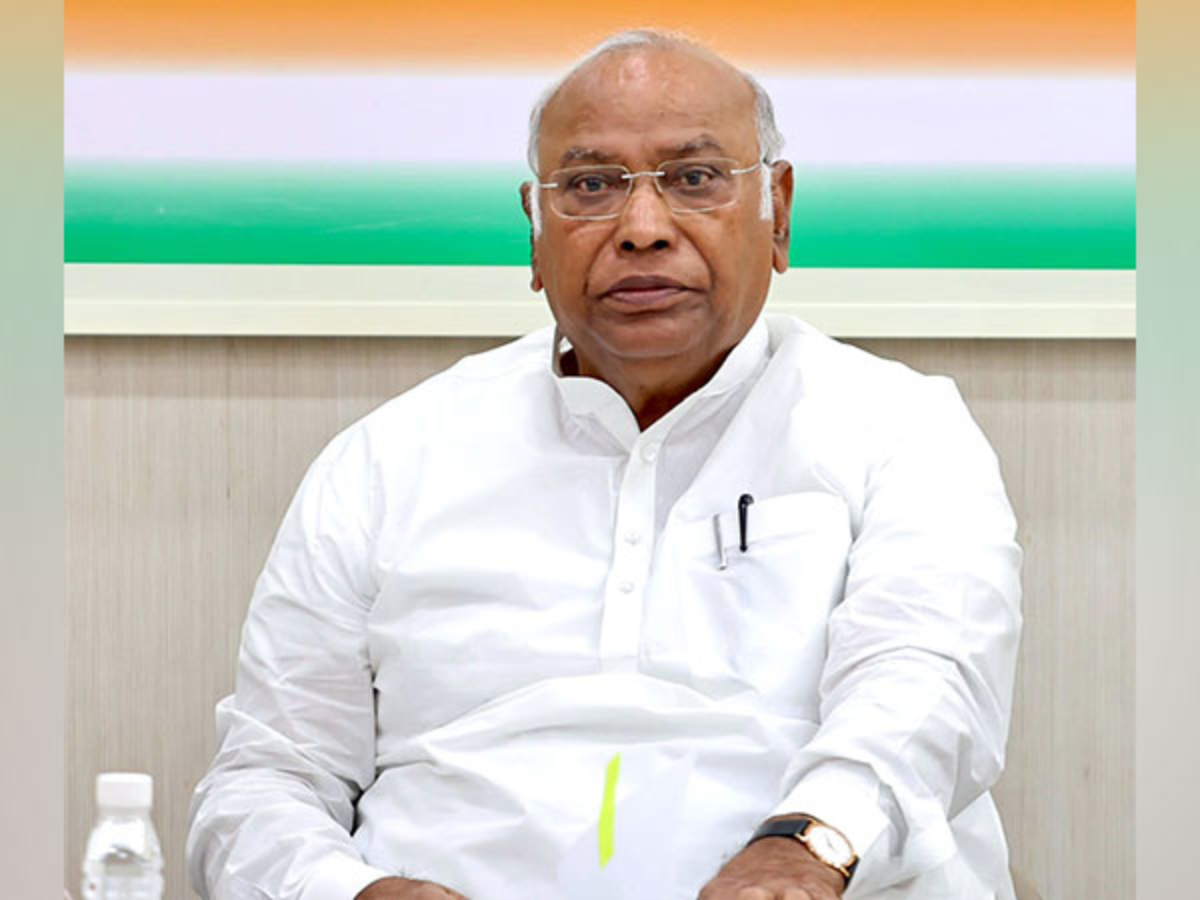
The Environment Minister, Manjinder Singh Sirsa, announced that non-BS6 cars and commercial vehicles registered outside Delhi cannot enter the capital while the high-pollution GRAP stage is enforced.
In addition:
- Vehicles without a valid PUC (Pollution Under Control) certificate will not get petrol or diesel at Delhi fuel stations.
- Enforcement has intensified at border checkpoints to make sure non-compliant vehicles are stopped.
- This rule applies to both private and commercial vehicles coming from outside the city.
Why the Ban Was Introduced?
Delhi’s air quality has been dangerously poor this winter. Toxic smog forms when cold air traps pollutants close to the ground. Vehicles are a major source of these emissions.
By blocking dirtier vehicles from entering, the government hopes to cut harmful fumes and protect public health. Experts have said poor air quality is a serious issue that needs urgent action.
How Does It Affect NCR Commuters?
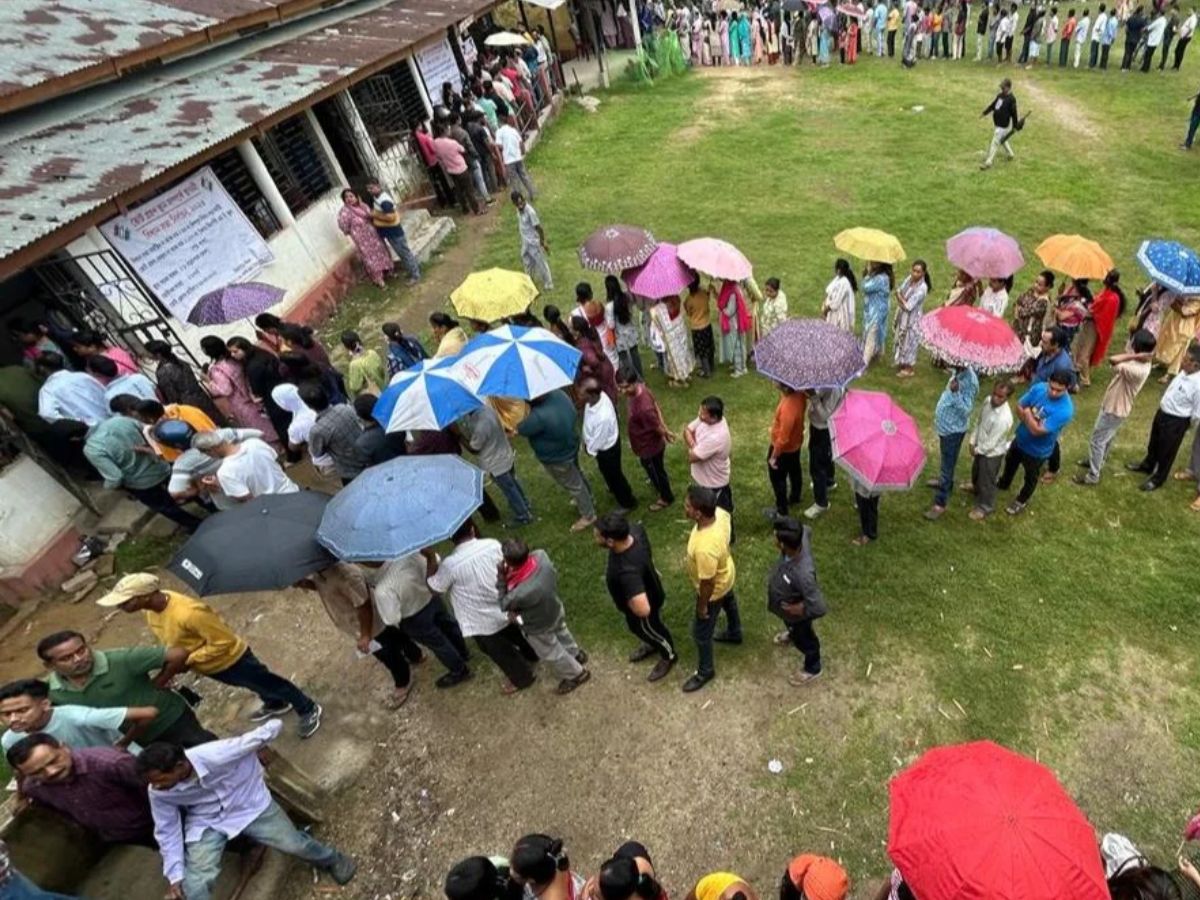
The ban impacts commuters who travel daily for work or business:
- Gurugram: 2 lakh vehicles affected
- Noida: 4 lakh vehicles affected
- Ghaziabad: 5.5 lakh vehicles affected
Many people have complained that the decision came with little warning. Some say it will disrupt daily life for workers who travel into Delhi each day.
A user posted on social media:
“Deny fuel and block entry, but don’t fix road dust, construction pollution, trucks, or power plants. It’s easier to punish daily commuters than tackle big polluters. Even worse when you remember Delhi is an NCR city. People commute daily from Noida and Gurugram!”
Another user added:
“This is not a concrete solution. I don’t know what the government is up to,” and a third said, “Corruption around PUC certificates, which everyone knows happens in India, is now put on steroids and made institutionalised.”
What Happens at Fuel Stations?
From the new rule:
- Petrol pumps will check PUC certificates before giving fuel.
- Vehicles without a valid PUC may be denied petrol or diesel.
- Petrol pump owners have raised concerns about checking certificates on every vehicle and handling disputes. Enforcement details are still being discussed.
What Drivers Should Know?
- Non-BS6 vehicles from neighbouring states cannot enter Delhi during GRAP III/IV.
- Vehicles without PUC certificates risk fuel denial.
- Not complying can lead to fines or travel disruption.
- The government says these measures could stay in force as long as air quality remains a serious concern.