
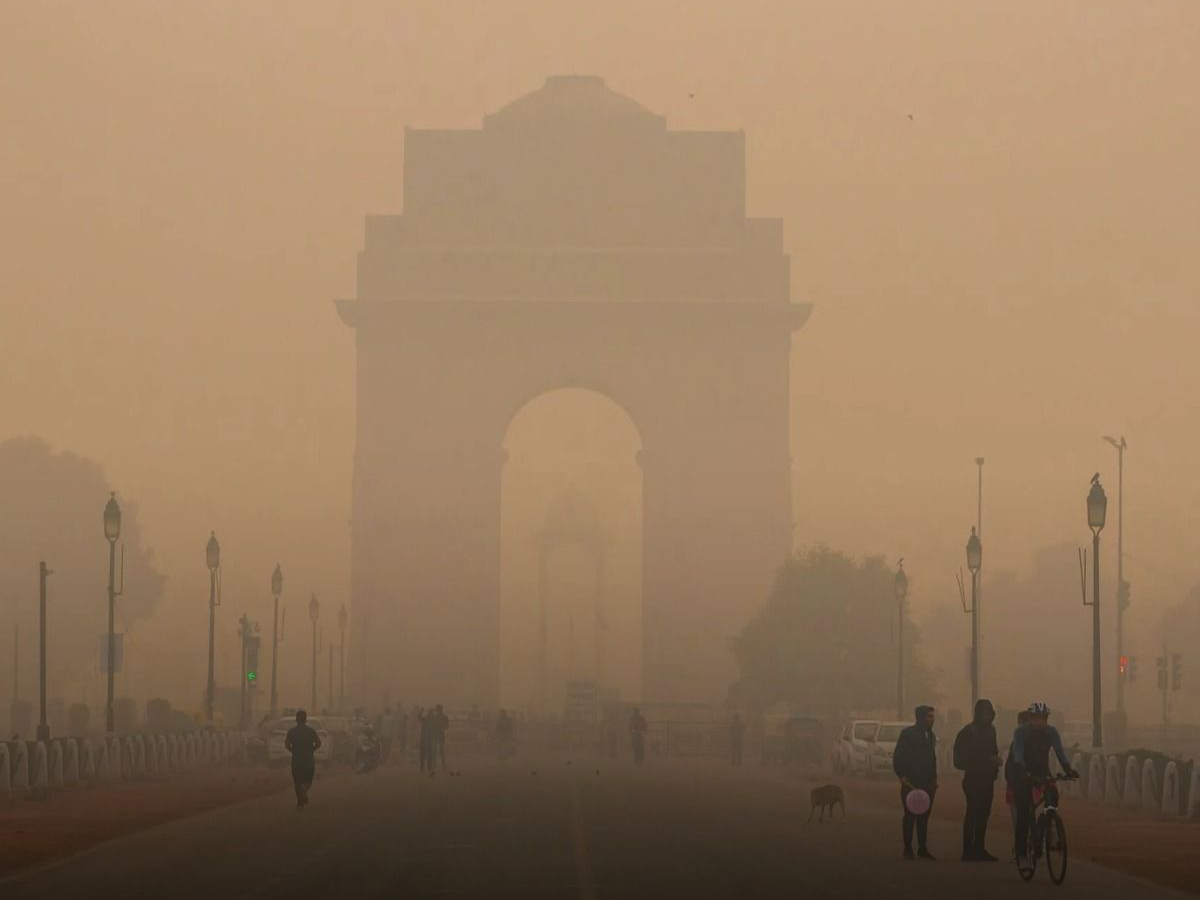
Delhi’s air offered a brief moment of relief this week as pollution levels dipped enough for authorities to ease emergency restrictions. After days of hazardous smog, the city’s Air Quality Index moved out of the ‘severe’ bracket, prompting the Commission for Air Quality Management to withdraw the strictest curbs.
While the improvement was welcome, officials were careful not to frame it as a turnaround. Instead, the episode underlined how fragile Delhi’s air quality remains and how dependent short-term gains are on weather rather than policy.
What Led to the Rollback of Restrictions
The decision to revoke the toughest measures under the Graded Response Action Plan was driven by numbers within 24 hours, Delhi’s AQI dropped sharply, sliding from over 400 to the ‘poor’ category. According to the pollution watchdog, stronger winds and favourable atmospheric conditions helped disperse pollutants that had been trapped over the city.
Data and forecasts from the India Meteorological Department and technical agencies were reviewed before the call was made, suggesting the move was rooted in real-time assessment rather than political pressure.
Weather Relief, Not Structural Change
Authorities have been clear that this improvement owes more to nature than to sustained emission control. Wind patterns shifted, allowing polluted air to move out of the region. This distinction matters. When cleaner air arrives because of weather, it can disappear just as quickly.
ALSO READ: Delhi Metro Phase 5A: Cabinet Approves 16 km Network Expansion & 13 New Stations | All You Need
Forecasts already warn that slowing winds could reverse the gains. The current pause in restrictions should therefore be read as a temporary breather, not evidence that the city has cracked its pollution problem.
Enforcement Continues Despite Relaxation
Even with the rollback of the harshest curbs and enforcement has not eased entirely. The Delhi government’s ‘No PUC, No Fuel’ rule remains in force, barring vehicles without valid pollution certificates from refuelling or operating.
Officials have stressed that compliance is non-negotiable. The message is clear relief in AQI does not translate into relaxed behaviour on the ground. Authorities appear keen to avoid the pattern of complacency that often follows short-lived improvements.
What are the Larger Policy Challenge
At the national level, the episode has revived uncomfortable truths. Transport remains a major contributor to urban pollution and reliance on fossil fuels continues to choke Indian cities. Statements from senior ministers acknowledging this reality point to a broader shift in tone, but action has lagged behind rhetoric.
Until cleaner mobility, energy transition and urban planning move faster, Delhi’s air will continue to swing between crisis and temporary comfort, dictated largely by the wind.
ALSO READ: GRAP-4 Restrictions Lifted in Delhi as AQI Improves to ‘Poor’, Drops to 271; Other Curbs Remain
Disclaimer: This article is based on official statements and public data and reflects analysis, not the views of any government authority.