
In a move aimed at enhancing public safety and modernising the capital’s power infrastructure, the Delhi government has approved proposals to shift and underground High Tension (HT) and Low Tension (LT) electricity lines across several Assembly constituencies. The initiative, described by the government as a major step forward, seeks to eliminate hazardous overhead wires in residential and densely populated areas while improving the reliability of electricity supply and the city’s visual landscape.
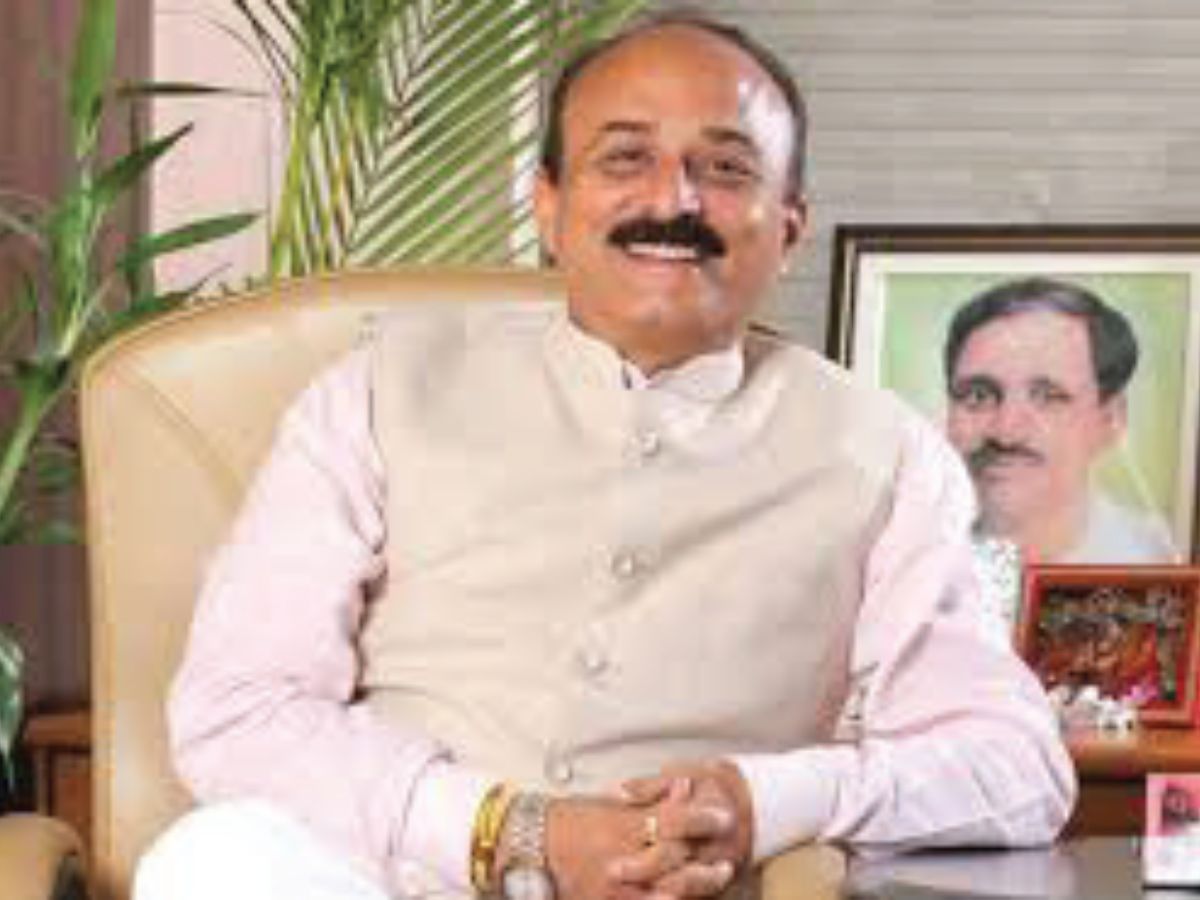
Projects worth around Rs 463 crore have been sanctioned so far under the plan. Power Minister Ashish Sood said the primary objective is to relocate unsafe overhead lines underground in congested neighbourhoods to prevent accidents and strengthen the distribution network. “This is a major step towards ensuring public safety and creating a modern, efficient power system,” he said.
According to the approved proposals, undergrounding work will be undertaken in 125 colonies and localities across different Assembly segments at an estimated cost of Rs 267.20 crore. In addition, overhead lines along 26 roads in the Chandni Chowk area will be shifted underground at a projected cost of Rs 159.47 crore. As part of a pilot initiative, underground cabling has already been completed in BH Block, Shalimar Bagh, and C-4 East Block, Janakpuri. The government plans to replicate this model in other parts of the city. In 2025, approvals amounting to Rs 37.63 crore were granted for 15 separate proposals related to undergrounding works.
Sood further said that under the Centre’s SASCI (Special Assistance to States for Capital Investment) scheme, about Rs 109 crore has been sanctioned for 13 proposals concerning the shifting of HT and LT lines in Delhi. Once implemented, these projects are expected to significantly reduce accidents caused by exposed and poorly maintained overhead wiring in densely populated localities.
The minister noted that since assuming office, the government has initiated multiple reforms in the power sector, incorporating advanced technologies to ensure uninterrupted 24×7 electricity supply. In preparation for the peak summer season, a detailed review of the power system was conducted under the Summer Action Plan, with several measures put in place to reinforce infrastructure and prevent outages.
Looking ahead, the Delhi government has drawn up a comprehensive Power System Master Plan extending to 2030. Under this roadmap, an estimated Rs 17,000 crore will be invested over the next three years through Delhi Transco Limited and power distribution companies (DISCOMs). The plan focuses on upgrading existing grid infrastructure, establishing new grids, ensuring reliable and continuous supply, and meeting rising electricity demand, including additional load from the growing adoption of electric vehicles.
Sood emphasised that the initiative is not merely about shifting cables underground but about advancing citizen safety and building modern infrastructure. He said overhead HT and LT lines in residential and crowded areas have long posed serious safety concerns, and their removal marks a decisive step towards creating a safer and better-organised capital.