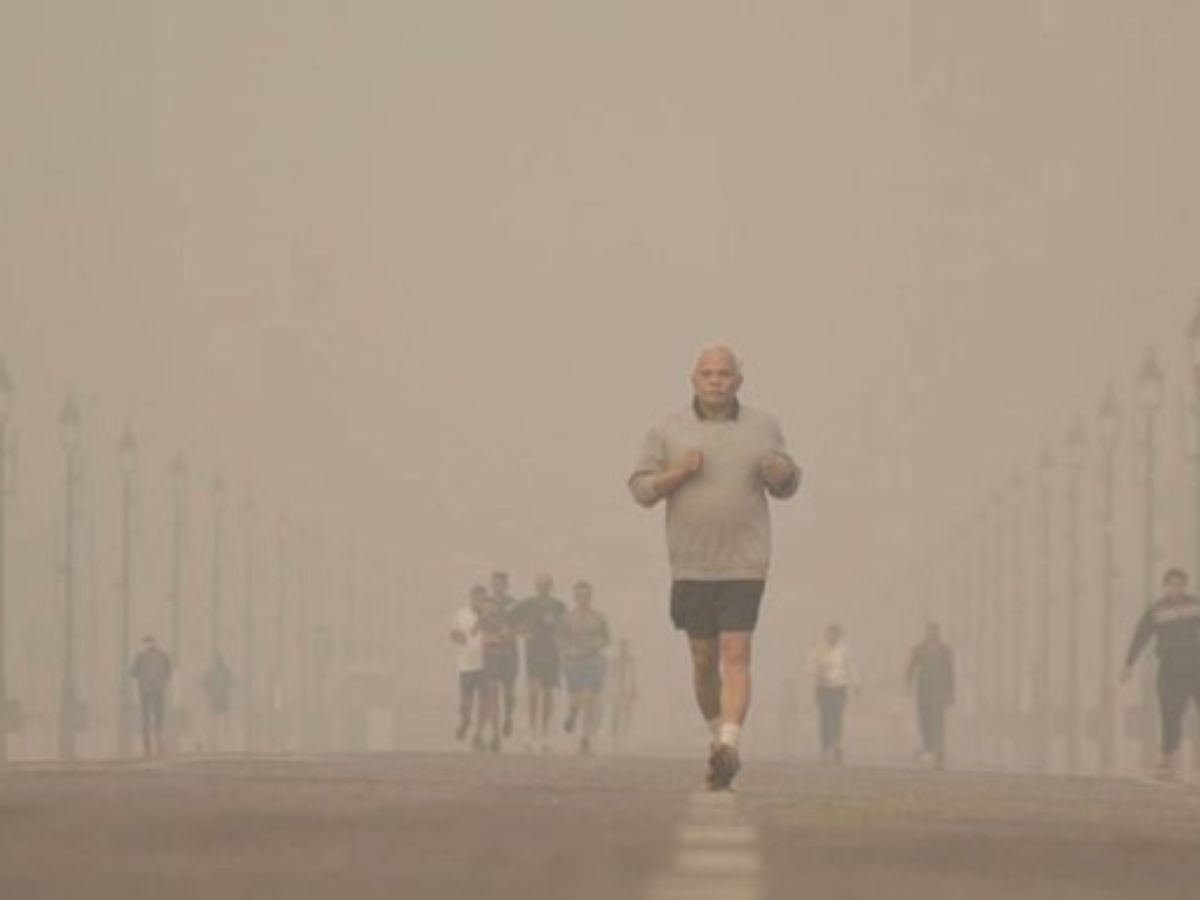
Delhi has once again slipped into an air pollution emergency. With the Air Quality Index crossing 400 and entering the ‘Severe’ category, authorities have imposed Stage 3 of the Graded Response Action Plan (GRAP) across the National Capital Region.
Construction has stopped, older vehicles face restrictions, and enforcement agencies are back on high alert. But beyond the immediate curbs, GRAP Stage 3 exposes a deeper, recurring failure. Delhi reacts to pollution, but it does not prevent it.
What GRAP Stage 3 Really Signals?
GRAP Stage 3 is not a routine regulation. It is an emergency brake. It is triggered only when pollution reaches levels that pose serious health risks, especially to children, the elderly and those with respiratory illness.
That Delhi has reached this stage again shows how fragile air quality management remains. A few days of slow winds and unfavourable weather are enough to push the city into crisis mode. This highlights how little buffer the system has built against seasonal pollution spikes.
What Triggers GRAP Stage 3?
GRAP is a tiered pollution response system implemented in Delhi-NCR. It escalates actions as air quality worsens:
- Stage 1: Poor (AQI 201-300)
- Stage 2: Very Poor (AQI 301-400)
- Stage 3: Severe (AQI 401-450)
- Stage 4: Severe+ (AQI 451+)
Once the AQI enters the Severe category (401-450), Stage 3 curbs apply across Delhi and adjoining NCR districts.
What is Allowed Under GRAP 3?
Public Transport:
- Public buses, metro services, CNG and electric vehicles continue to run as usual.
- Additional transport options may be added to ease private vehicle use.
Emergency & Essential Services:
- Ambulances, medical vehicles, police and essential goods transport receive exemptions.
- Essential construction linked to national infrastructure projects (e.g., metro, airports, hospitals) may proceed.
Essential Industry Operations:
- Industries critical for public health or safety may operate under strict pollution control conditions.
Road Cleaning & Pollution Control Measures:
- Authorities are increasing mechanised road sweeping and water sprinkling to suppress dust.
- Agencies continue intensified monitoring and enforcement across pollution hotspots.
What is Not Allowed under GRAP Stage 3?
Construction & Demolition:
- All non-essential construction work is banned.
- Earthwork, demolition, trenching, piling and brickwork are prohibited.
- Road construction, major repairs and dust-generating activities at sites are halted.
Industrial & Dust-Emitting Works:
- Stone crushers, mining and related activities are suspended.
- Brick kilns and other high-dust-emission operations must remain closed.
Vehicular Restrictions:
- Use of older BS-III petrol and BS-IV diesel four-wheelers is prohibited across Delhi and nearby NCR states.
- Non-essential diesel-operated medium goods vehicles and certain inter-state buses are restricted unless they meet cleaner fuel norms such as CNG, EV or BS-VI diesel.
- Vehicles exempted include those carrying essential goods or used for emergency services.
School & Educational Limits:
- Schools may move classes up to Class 5 to hybrid or online mode where feasible, to reduce outdoor exposure and travel.
Open Burning & Waste Fires:
- Outdoor burning of waste and use of firecrackers remain banned to limit particulate matter emissions.
Emergency Measures Cannot Replace Structural Reform
GRAP Stage 3 can slow pollution temporarily. It cannot fix the problem.
Real improvement requires long-term planning: cleaner transport systems, strict enforcement of emission norms, credible dust-management policies, and sustained coordination between Delhi and neighbouring states. These are politically harder than emergency bans, but far more effective.
Without structural reform, Delhi will keep oscillating between “very poor” and “severe,” with citizens paying the price in health and lost productivity.
Public Health Must Remain the Priority
For residents, the message is clear: limit outdoor exposure, avoid unnecessary travel, and follow health advisories. But citizens should not be made to feel responsible for a crisis rooted in policy gaps.
Clean air is not a luxury or a seasonal aspiration. It is a public health necessity. GRAP Stage 3 should be treated as a warning — not just of polluted air, but of governance that still relies too heavily on emergency responses instead of lasting solutions.