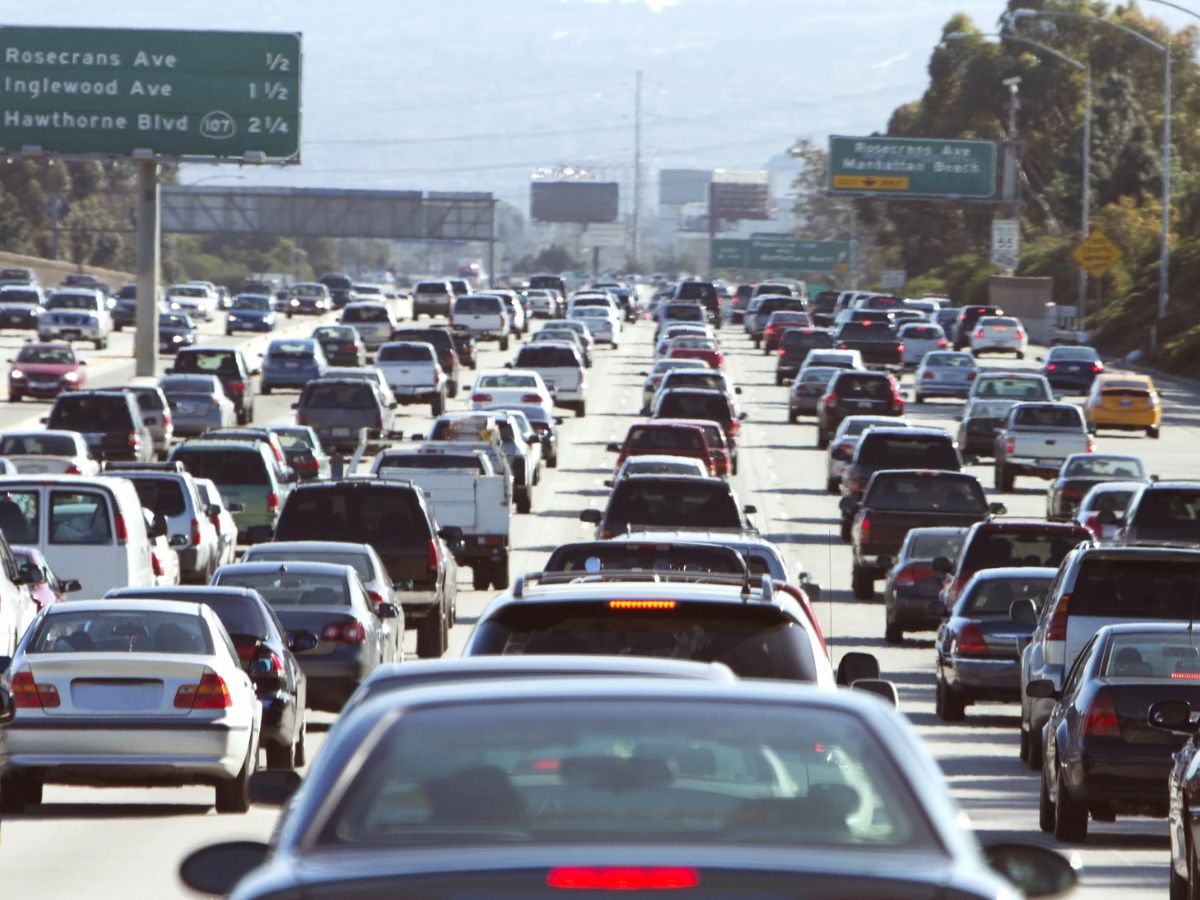
Delhi stepped up its fight against air pollution on Thursday by tightening enforcement of vehicle emission rules across the city. Authorities increased checks at city borders, toll plazas and petrol pumps after two new measures came into force the ‘no PUC certificate, no fuel’ rule and a ban on the entry of non-Delhi private vehicles that do not meet BS-VI emission standards.
From today, teams from the traffic police and the transport department were deployed at major entry points and fuel stations to check Pollution Under Control (PUC) certificates and ensure vehicles comply with BS-VI norms. Officials were also stationed at busy road intersections, where smart number plate reader devices were used to verify vehicle details and issue challans to violators.
Vehicles Without PUC Turned Away From Fuel Stations
At several petrol pumps across Delhi, long queues were seen as pump staff checked PUC certificates before giving fuel. Vehicles without valid PUC documents were denied fuel. Some motorists were seen making phone calls, trying to seek help or clarification after being turned away.
The checks were carried out strictly, with fuel station staff following the new rule without exception.
Mixed Reactions From Commuters
As Delhi rolled out stricter anti-pollution rules, commuters shared mixed reactions. Some people said the rules were necessary to control rising pollution levels, while others asked the government to show understanding towards people who bought vehicles using their hard-earned money.
Enforcement Drive to Continue
Officials said the checking drive will continue in the coming days as part of wider efforts to cut vehicular emissions and improve Delhi’s air quality.
A DTC in-charge, JD Sharma, who was deployed at a petrol pump, said the checks were being done manually because cameras were not available at that location. “We are checking pollution certificates and noting down vehicle details, which will be shared with the concerned department,” he added.
At the Delhi–Noida border, DTC sub-inspector Jitendra Kumar was seen checking vehicles for BS-VI compliance and valid PUC certificates. He said public awareness had improved, which led to fewer violations. “The number of such vehicles is low today due to increased awareness,” Kumar said. He added that fines worth around ₹10,000 had already been imposed for PUC violations since morning.
Sharp Rise in PUC Certificates Issued
The strict rules led to a sharp rise in the number of PUC certificates issued in Delhi just before enforcement began.
According to report, the number of PUC certificates issued in the city jumped by nearly 76 per cent on December 17, a day before the ‘no PUC, no fuel’ rule came into effect.
Official data shows that 31,197 PUC certificates were issued on December 17, compared to 17,732 on December 16. This is an increase of 13,465 certificates, or a 75.9 per cent rise within 24 hours.
Thousands of Challans Issued During GRAP Period
During this year’s Graded Response Action Plan (GRAP) period which ran from October 14 to December 15 authorities issued a total of 1,56,993 challans. Each challan carried a fine of ₹10,000, highlighting the scale of enforcement against pollution-related violations.
Both Authorities and people have supported these measures and said that these steps were necessary to curb vehicular pollution and improve air quality in the national capital.
Also Read: Securities Markets Code Bill 2025 Tabled in Lok Sabha: What It Means for SEBI & Investors