
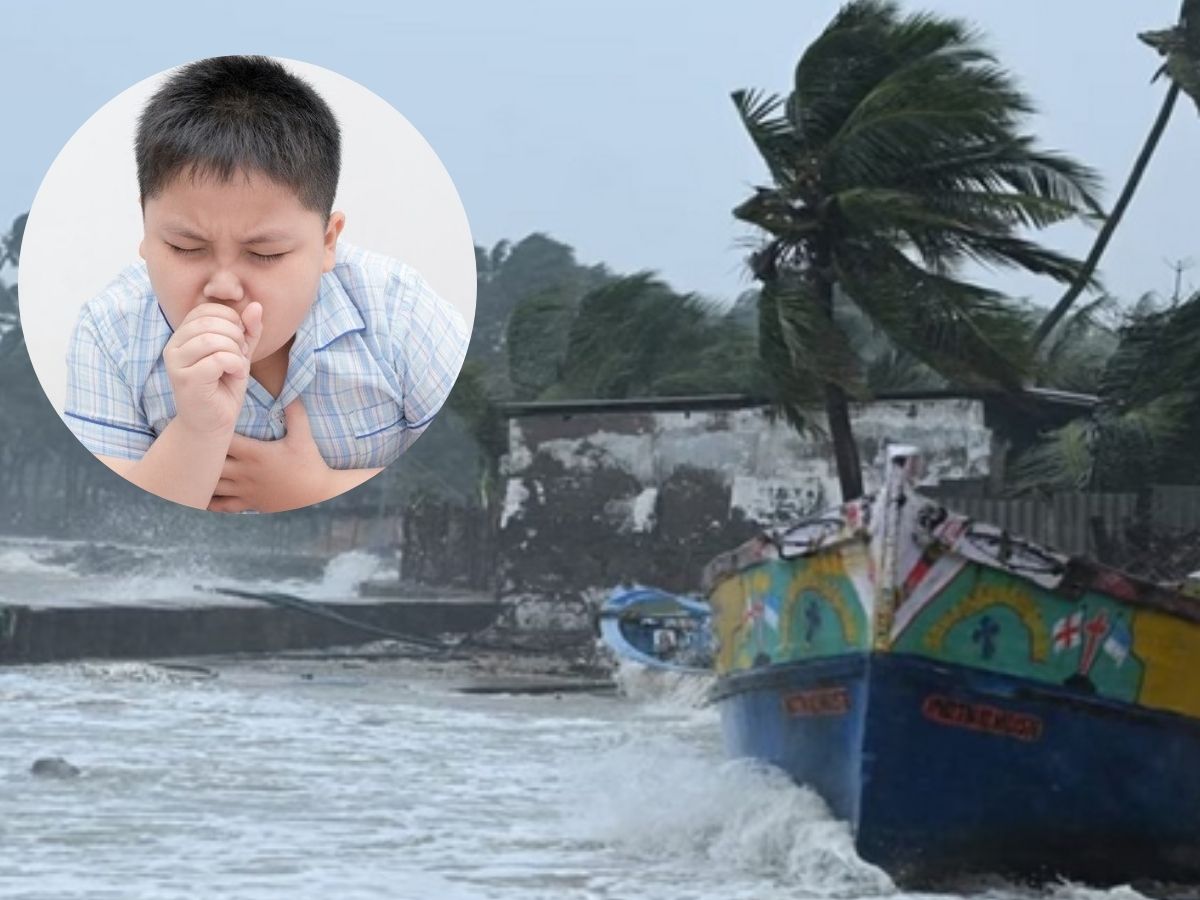
The devastating floods caused by Cyclone Ditwah have not only damaged homes and infrastructure but have also brought a serious risk to public health, especially from waterborne diseases. As floodwaters slowly recede, we are seeing a concerning rise in illnesses caused by contaminated water.
Puducherry Schools Closed Today Due to Heavy Rains
Puducherry’s Home Minister, A. Namassivayam, has announced that all government and government-aided schools in the union territory will remain closed today, December 1, 2025, due to heavy rainfall.
Cyclone Ditwah: Why is the Water Unsafe?
When a powerful cyclone hits, the heavy rains and storm surges cause widespread flooding. This floodwater mixes with everything:
- Sewage: Broken pipes and overflowing septic tanks release human waste into the water supply.
- Chemicals: Spilled chemicals from homes and industries contaminate the water.
- Animal Waste: Waste from livestock and wild animals adds to the contamination.
This mixture turns clean water sources like wells and treated reservoirs into breeding grounds for dangerous germs (pathogens). Once water is contaminated, drinking it, washing hands with it, or using it to prepare food can quickly lead to sickness.
Also Read: Puducherry Closes All Schools on Dec 1 Ahead of Cyclone Ditwah — Tamil Nadu on Alert
Cyclone Ditwah: Common Diseases to Watch For
The main threat after a disaster like this is from diseases that cause severe diarrhea and dehydration. The most common illnesses include:
- Cholera: Caused by the bacterium Vibrio cholerae, this illness can cause severe, watery diarrhea and lead to rapid dehydration and even death if not treated quickly.
- Typhoid Fever: This is a bacterial infection (Salmonella typhi) spread through contaminated food or water, causing a high fever, weakness, and stomach pain.
- Leptospirosis: This bacterial disease is spread through contact with floodwater contaminated with the urine of infected animals (like rats). It enters the body through cuts or the lining of the eyes, nose, or mouth.
- Hepatitis A and E: These viral infections can also spread through contaminated water and cause liver problems.
Cyclone Ditwah: How to Stay Safe; Simple Prevention Steps
Protecting yourself and your family is the most important step right now. The public must take immediate action to prevent the spread of these diseases:
- Boil Your Water: Treat all water used for drinking, cooking, washing dishes, and brushing teeth. Bring the water to a rolling boil for at least one minute. If you can’t boil it, use water purification tablets.
- Wash Your Hands: Wash your hands often and thoroughly with soap and safe water, especially before eating or preparing food and after using the toilet or handling flood-contaminated items.
- Stay Out of Floodwater: Avoid wading or swimming in floodwater as much as possible. If you must enter it, cover any open cuts with waterproof bandages and wear protective footwear like rubber boots.
- Dispose of Waste Properly: Ensure all garbage and human waste are disposed of far away from homes and water sources to prevent further contamination.
Also Read: Dhurandhar Records 8.5K Advance Sales in National Chains, Momentum Expected to Rise