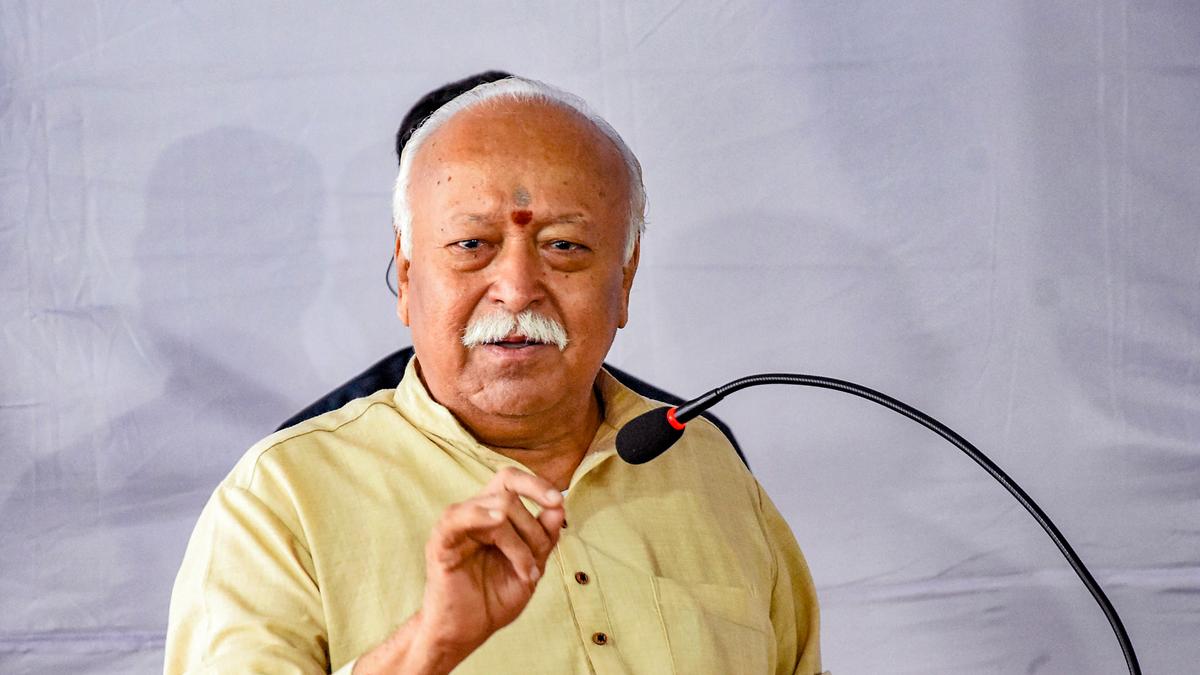
The legal ruling on November 25, 2016, was a significant step since the Special NIA Court in Mumbai dismissed allegations against senior officers from the Maharashtra Anti-Terrorism Squad (ATS) that they instructed an investigating officer to apprehend Rashtriya Swayamsevak Sangh (RSS) chief Mohan Bhagwat in connection with the 2008 Malegaon blast case.
The court considered these allegations to be without substance as there was no credible evidence to back such assertions. This decision marked part of a larger judgment which acquitted all seven accused in the case on grounds of insufficient evidence.
“The statement recorded u/s 313 of Cr.P.C. cannot be construed as evidence,” the judge said, referring to documents filed by Mr Mujawar before the magistrate court in Solapur.
“The defense had submitted that ATS officer Mehboob Mujawar refused to act on alleged directions from senior officers to arrest RSS chief Mohan Bhagwat, citing no role found in the case. Whereas, their own officer (Mehboob Mujawar) had denied to obey such illegal order as he did not find any role of Mr. Mohan Bhagwat in the alleged offence,” it said.
Six people were killed when a bomb planted in a motorcycle exploded in a busy market in Malegaon, around 300 km from Mumbai, on September 29, 2008. The blast was initially probed by the state ATS before the case was handed over to the National Investigation Agency (NIA), the country’s top anti-terror body.
Background of the Allegations
The controversy dates back to an ATS officer, Muhboob Mujawar, who alleged that he was pressured to implicate RSS leaders, including Mohan Bhagwat, in the Malegaon blast case. Mujawar claimed to have been pressurized into making false statements during the investigation. These allegations gained political traction, with some leaders suggesting that the ATS was involved in a conspiracy to target the RSS. However, the NIA court found no merit in these claims, indicating that such serious allegations must be backed by strong credible evidence, which was absent in this particular case.
Implications of the Court’s Decision
With the ruling, the court settled the integrity of the investigations into the Malegaon blast beyond the grave. In the act of dismissing claims against the RSS chief, it reaffirmed the necessity of proceedings being evidence-based in their exercise of justice. In this frame, it is possible that this verdict may also influence investigations and proceedings in the future in matters of great political interest and shall lend credibility to advocates free from political interference.