
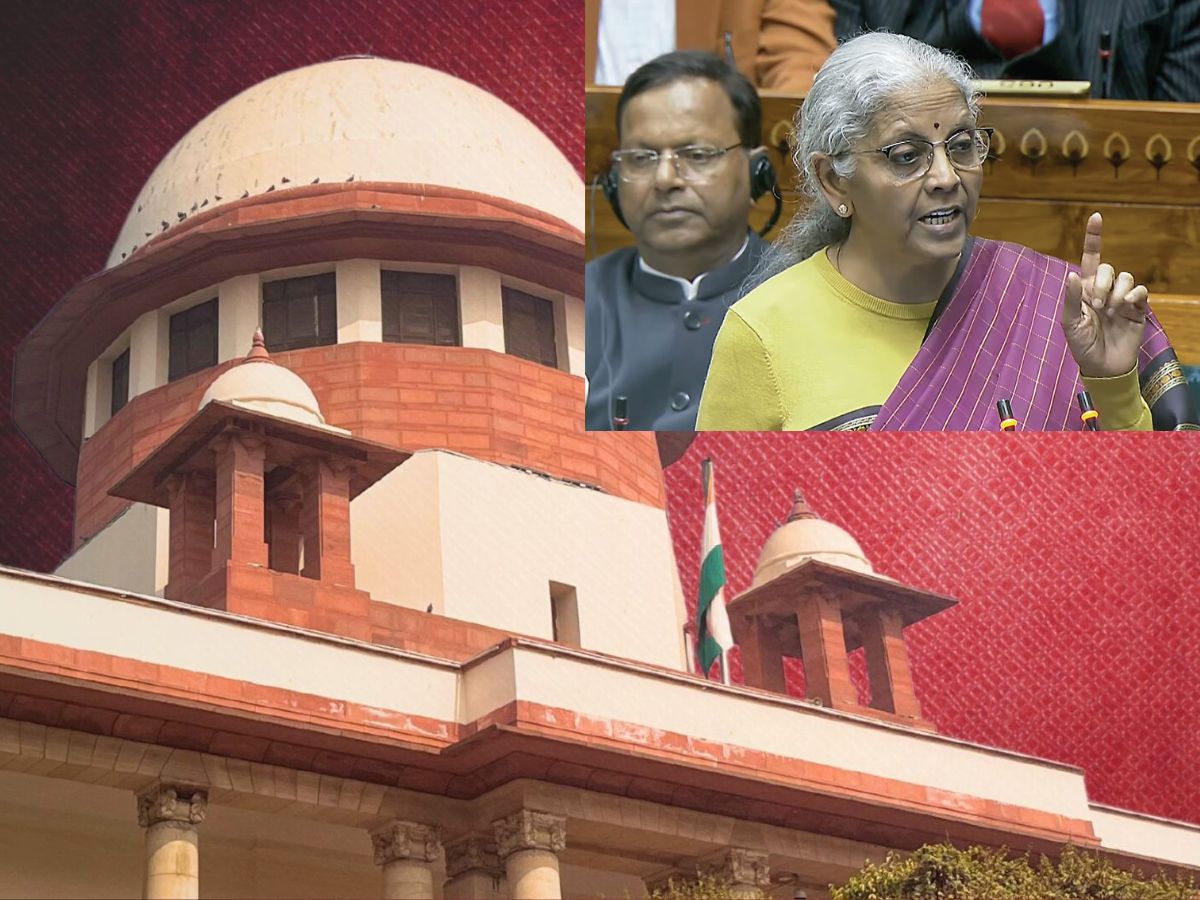
Government expenditure on law, justice and constitutional bodies has declined in 2026–27, with lower allocations for elections and justice administration pulling down overall spending, even as funding is sustained for digital courts, legal aid and judicial infrastructure, according to the Notes on Demands for Grants tabled with the Union Budget.
The Ministry of Law and Justice (Demand No. 65) has been allocated a net Rs 4,509.06 crore for 2026–27, down from Rs 5,189.87 crore in the revised estimate for the previous year. The decline is driven largely by a sharp reduction in election-related expenditure and capital provisioning compared with the poll-heavy year earlier.
Within the Law and Justice demand, spending on the National Mission for Justice Delivery and Legal Reforms remains substantial. The allocation for e-Courts Phase III has been maintained at Rs 1,200 crore, signalling continued emphasis on digitisation and paperless functioning of courts. Funding for the DISHA programme, which supports access to justice initiatives such as Tele Law, Nyaya Bandhu and Nyaya Mitra, has been raised to Rs 40 crore from Rs 20 crore in the revised estimate.
Support for legal representation has been sustained, with the Legal Aid Defence Counsel System receiving Rs 300 crore, unchanged from the previous year, reflecting continued focus on providing free legal aid at the district level. Capital spending for the expansion of the Supreme Court building has been increased to Rs 100 crore, compared with Rs 46.63 crore in the revised estimate. Transfers to states for judicial infrastructure has declined. Funding under the centrally sponsored scheme for Infrastructure Facilities for the Judiciary has been reduced to Rs 812 crore in 2026–27 from Rs 800 crore in the revised estimate and Rs 1,000 crore in the previous budget, while allocations for Gram Nyayalayas remain unchanged at Rs 2 crore.