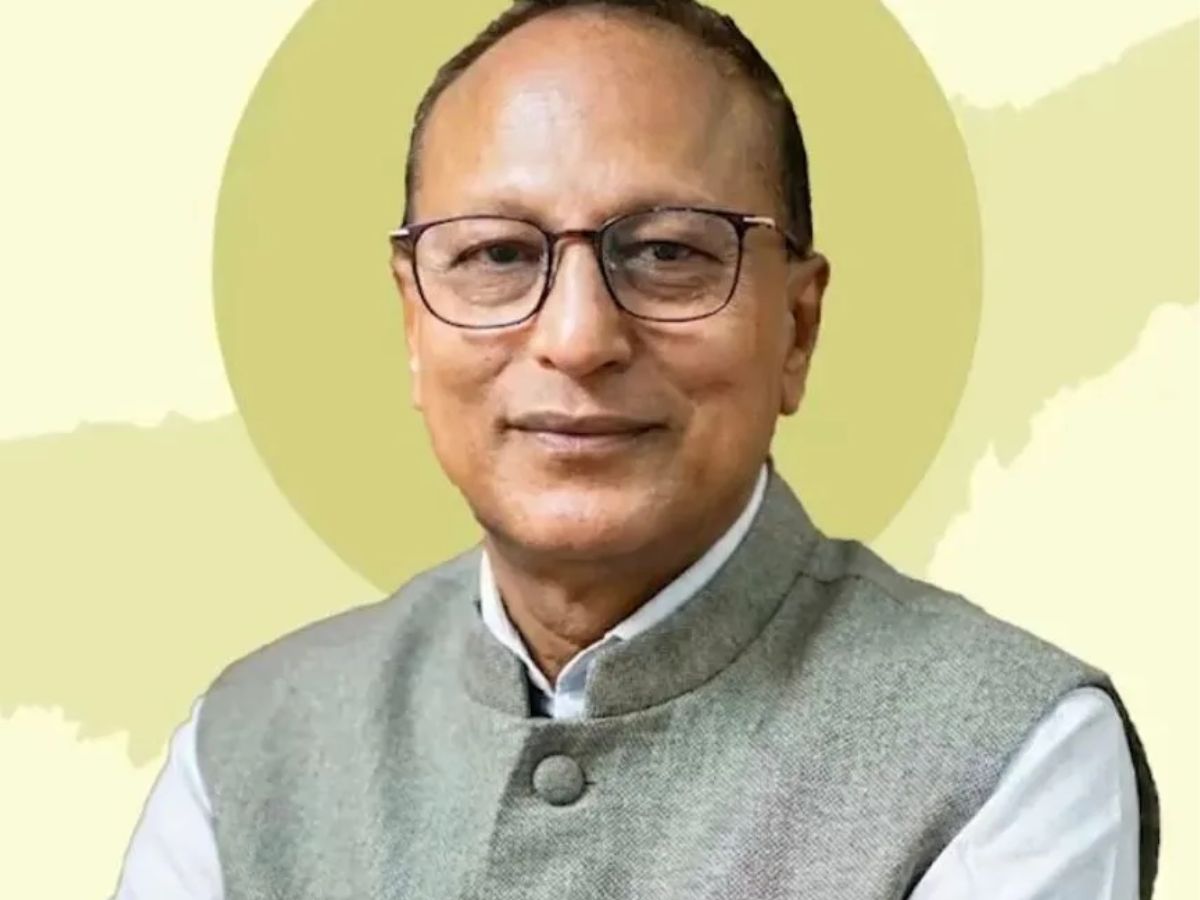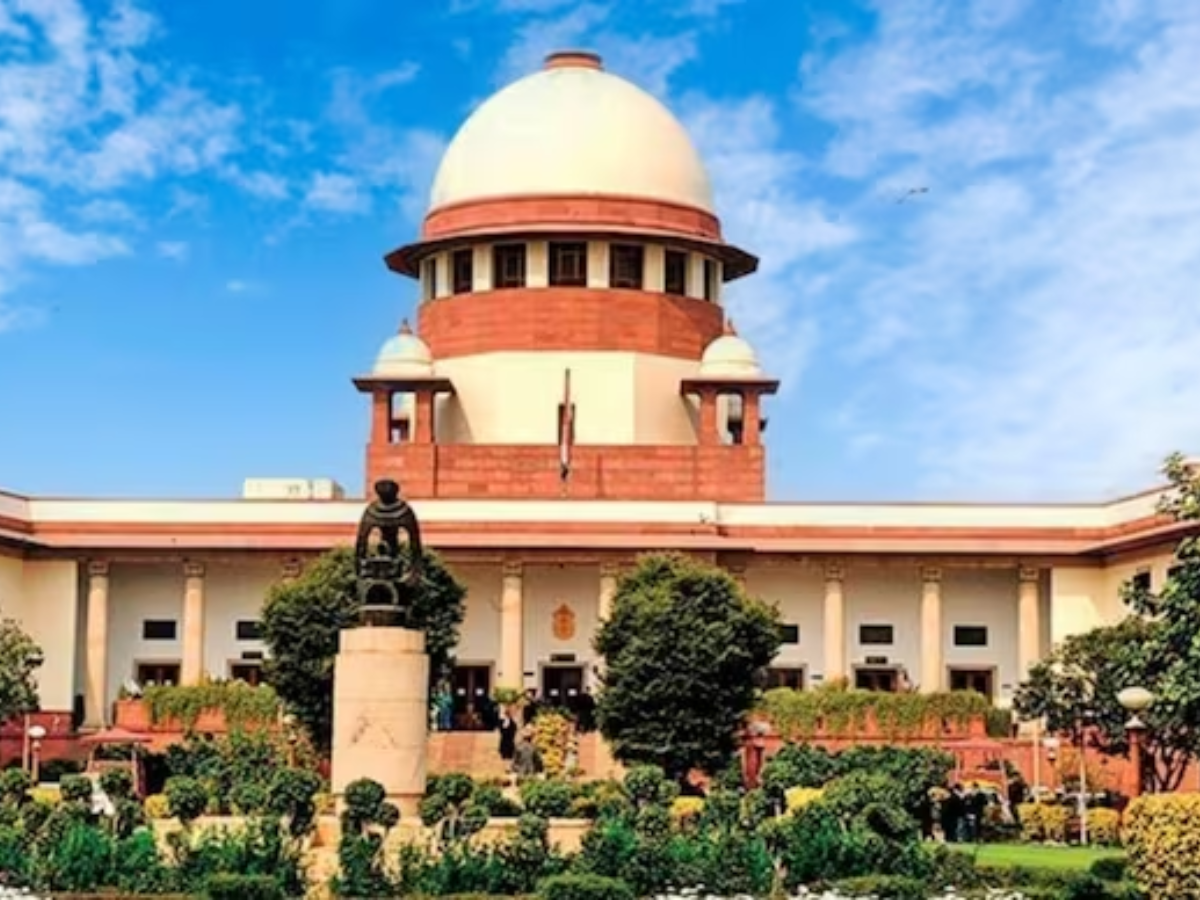
The Supreme Court collegium has sent names for elevation to the Supreme Court on Monday, a proposal in which the Chief Justice of Bombay High Court and Chief Justice of Patna High Court, namely Mr. Alok Aradhe and Vipul M. Pancholi, found recognition.
The elevation was opposed by Justice B. V. Nagarathna in dissent. Out of five members, the Chief Justice of India B. R. Gavai and Justices Surya Kant, Vikram Nath and J.K. Maheshwari favored the elevation of Justice Pancholi, while Justice Nagarathna expressed strong dissent. The dissent further reveals the collegium’s underlying discontent about the criteria adopted for judicial appointments and representation from different high courts.
ALSO READ: CDS Anil Chauhan strong war message on Lessons from Operation Sindoor: ‘If you want peace…’
Justice Nagarathna’s rare dissent
Justice Nagarathna, being the sole woman among the collegium members, put a note of dissent with detailed reasons for going against the majority view. She flagged the transfer of Justice Pancholi from Gujarat High Court to Patna High Court in 2023 by saying that the transfer cannot be called a routine one and that it is a matter of decision taken after prolonged consultations, intense sittings, and deep deliberation. In her opinion, the recommendation of Pancholi for elevation would allegedly bring about undermining the integrity and consistency of the collegium system.
ALSO READ: At IACC Summit, US Envoy Stresses Shared Role in Shaping Global Energy Markets
In her dissent, she specifically drew attention to the fact of seniority, pointing out that Justice Pancholi ranks 57th among judges across India. She maintained the view that judges with good credentials and greater seniority were overlooked in favor of Pancholi. Justice Nagarathna also touched upon the issue of regional representation, asserting that 2 judges from Gujarat High Court Justiça J.B. Pardiwala and N.V. Anjaria are already in the Supreme Court. Elevating Pancholi, in her opinion, would disturb the balance and leave several high courts underrepresented.
Concerns about Future Leadership
Justice Nagarathna went on to remember having opposed Pancholi’s elevation earlier in May, a view shared by yet another collegium member. At that time, the collegium had preferred elevating Justice N.V. Anjaria, senior to Pancholi, so that Gujarat remained represented after the retirement of Justice Bela Trivedi. Adding that her fresh objection came because of surprise that the proposal came up again after just three months.
In perhaps the most startling revelation, Justice Nagarathna enumerated the long-term implications of this appointment. If now elevated, Justice Pancholi would be lined up for Chief Justice of India from October 2031 to May 2033. In light of the many concerns highlighted by her, such an eventuality would not promote the larger interest of the judiciary.
This unusual split shows the problems for the collegium system in balancing merit, seniority, representation, and the institutional credibility as the Indian judiciary works toward determining the future leadership.
ALSO READ: CDS Anil Chauhan say on Sudarshan Chakra: India’s Own Iron Dome to Redefine Air Defence