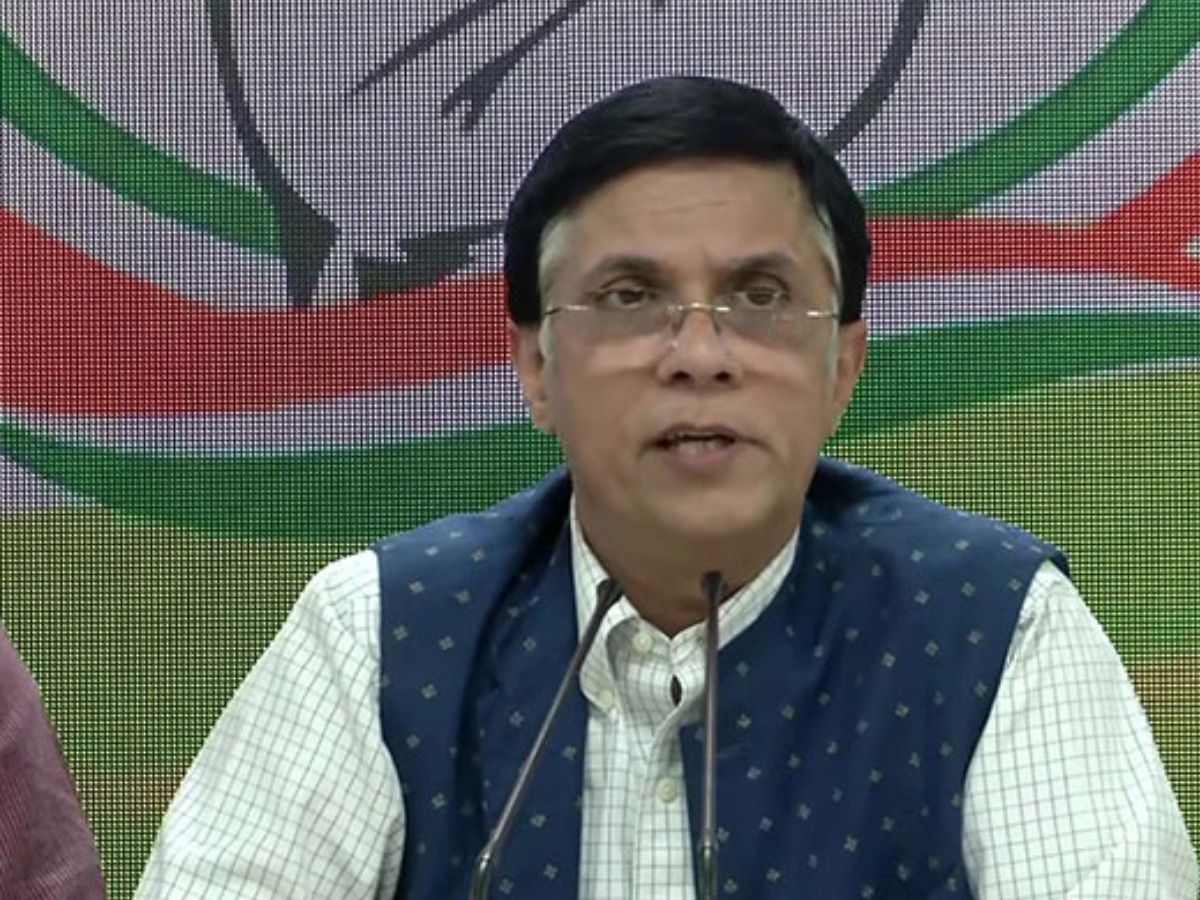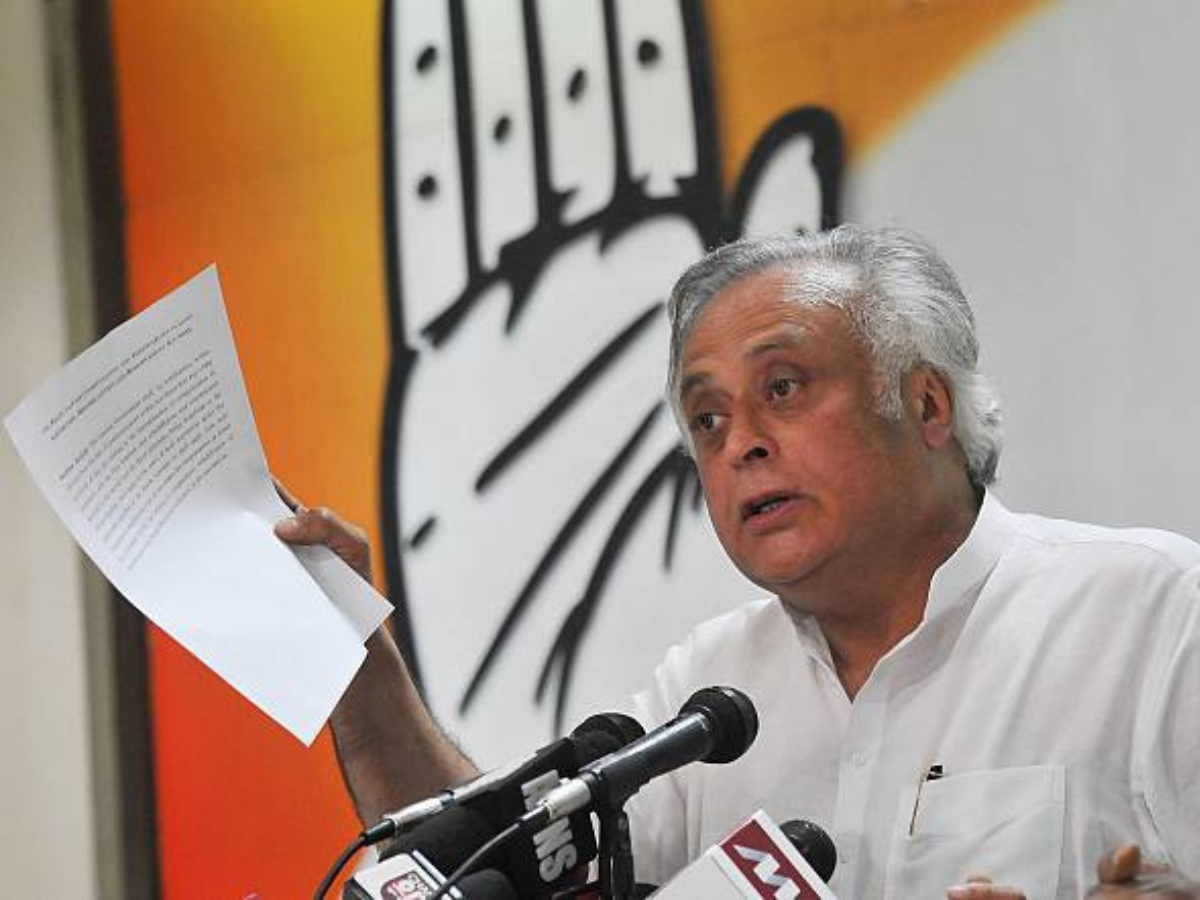
Senior Congress Leader and Rajya Sabha MP Jairam Ramesh raise a strong alarm against the mega infrastructure project proposed for Great Nicobar, calling it “maha ecological disaster”.
This initiative poses a serious threat not only to the island’s fragile biodiversity but also disqualifies the indigenous people’s rights. In a post on X, Ramesh alleged that the authorities have falsely shown compliance to the provisions of the Forest Rights Act, 2006, claiming that tribal consent has been legalized.
The Great Nicobar mega infrastructure project is without doubt a maha ecological disaster. I have had exchanges with the Union Minister of Environment and Forests on this subject (accessible on this link – https://t.co/5j2qFsCPJA) but the march of folly continues.
Now comes…
— Jairam Ramesh (@Jairam_Ramesh) August 23, 2025
ALSO READ: Rijiju Slams Rahul Gandhi Over ‘Irresponsible Remarks’ and Weak Leadership
Ecological and Tribal Rights
Ramesh claimed in his post that the government is bulldozing this project under the purport of secrecy because the rights of these local tribes have never been identified and settled properly.
He further added that the new evidence reveals how critical safeguards have been ignored, especially pertaining to consent from communities affected by the projects. Bulldozed is his term for the project, which led him to question the need for buoys in the ecological preservation and tribal welfare in the face of strategic pursuits.
Government’s Defense and Justification
Meanwhile, the Ministry of Environment, Forest and Climate Change defended the project on grounds that it was strategic, defence and national importance.
ALSO READ: Orange Alert in Jammu & Kashmir: Torrential Rains Trigger Flood Fears, Omar Abdullah Urges Vigilance
The officials said the project underwent all these evaluations under the Environmental Impact Assessment (EIA) Notification, 2006, which prescribe screening, scoping, consultations and appraisal prior to clearance. Only after detailed studies and assessments, according to the ministry, were the environmental clearances issued.
Many Experts Studies
Leading institutions like the Zoological Survey of India, Salim Ali Centre for Ornithology and Natural History, Wildlife Institute of India, Indian Institute of Science, and many IITs conducted independent studies, according to the ministry. The independent assessments evaluated possible impacts on biodiversity, marine ecosystems and coastal stability. The results were fed into an Environmental Management Plan (EMP), with guidelines for damage mitigation.
To further satisfy compliance, an Expert Appraisal Committee (EAC) watched the EIA/EMP report very carefully. Thereafter, the clearance was given subject to 42 stringent conditions meant to safeguard the local ecology. Furthermore, three monitoring committees, along with a High-Power Committee, which was formed based on a National Green Tribunal directive, have been given the task of overseeing the implementation.
Grand Debate
The difference threw into relief a greater quandary how to balance the need for strategic infrastructure with life on the edge of fragile ecosystems and the rights of indigenous peoples. Critics always harbored this fear: while the government claimed safeguards and national interest were valid, irreversible harm was certain in one of the most biodiverse regions of the country. Thus, this clash of development versus conservation in Great Nicobar raises questions not just about one project but about what will be India’s future ecological choices.
ALSO READ: Amid US Tariff Pressure, India and China Move Closer on Dialogue and Connectivity