China allegedly used the India-Pakistan clash in May, which followed the Pahalgam terror attack, to test its modern weapons, according to a new report by a bipartisan US panel. The US-China Economic and Security Review Commission released the report on Tuesday. It highlights how Beijing used the conflict to study its military readiness and promote its defence exports.
The report says China used the situation to “test and promote” its defence power. It did this “in the contexts of its ongoing border tensions with India and its expanding defence industry goals”.
China Deployed Modern Weapons in Real Combat for the First Time
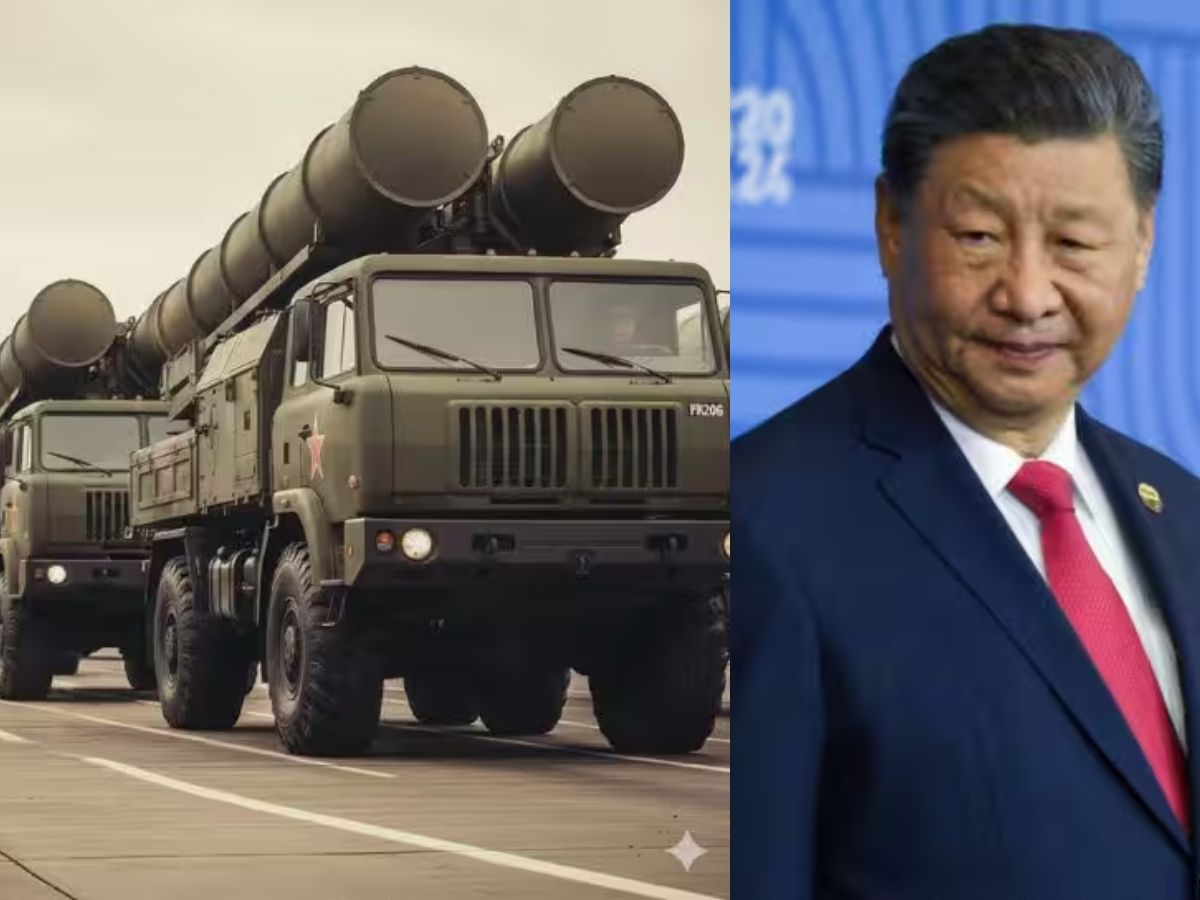
The commission says China used several indigenously developed systems in the conflict. These systems saw real combat conditions for the first time. They included the HQ-9 air defence system, PL-15 air-to-air missiles, and the J-10 fighter aircraft.
Soon after the clash, China reportedly offered Pakistan a large defence package. This included ballistic missile defence systems, 40 J-35 fifth-generation fighter jets, and KJ-500 aircraft. According to the report, Beijing made the offer in June.
The report is based on public sources, committee hearings, and media reports. It says that Chinese embassies praised the performance of these weapons in the India-Pakistan clash. Chinese officials also encouraged Beijing to boost sales of these defence systems globally.
China Ran a ‘Disinformation Campaign’ to Undermine Rafale Jets
The report denies that China acted as a direct instigator in the conflict. It says calling the clash a “proxy war” would be an overstatement. However, it reveals that China ran a “disinformation campaign” during the crisis.
The aim was to portray the French Rafale fighter jets, used by India, as ineffective. The report says, “According to French intelligence, China initiated a disinformation campaign to hinder sales of French Rafales in favour of its own J-35s, and it used fake social media accounts to propagate AI and video game images of supposed ‘debris’ from the planes China’s weaponry destroyed.”
This campaign allegedly influenced Indonesia. The report says Chinese embassy officials convinced the country to drop its Rafale purchase plans and choose the J-35 instead. China later denied these claims.
China’s Strategy to Push Defence Sales Through Conflict Observation
The report suggests a deeper pattern. China may be using global conflicts as testing grounds to strengthen its defence market. Analysts say Beijing benefits in two ways. It studies real-time combat performance and uses that data to market its weapons to foreign buyers.
This tactic expands China’s military influence, especially among countries that rely on affordable, high-tech defence systems. Experts also warn that such practices allow China to shape narratives, influence defence deals, and challenge Western suppliers.