The government has withdrawn its directive requiring all smartphones to come with the Sanchar Saathi app pre-installed. The reversal comes after a dramatic surge in voluntary downloads and growing public acceptance. Officials said the original order — meant to ensure widespread access to cybersecurity tools — is no longer needed now that millions of users have adopted the app.
A DoT statement explained that the mandate aimed to speed up app adoption among citizens who may not actively install it. Now with over 1.4 crore users already onboard, they decided to lift the compulsory requirement. The government credited this rise as proof that the app has caught on among the public.
Why the Mandate Came on Sanchar Saathi?
The pre-install rule had stirred controversy soon after it was announced. Critics, including digital-rights activists and opposition politicians, raised serious privacy concerns. Many feared being forced to keep a government-backed app on their personal phones.
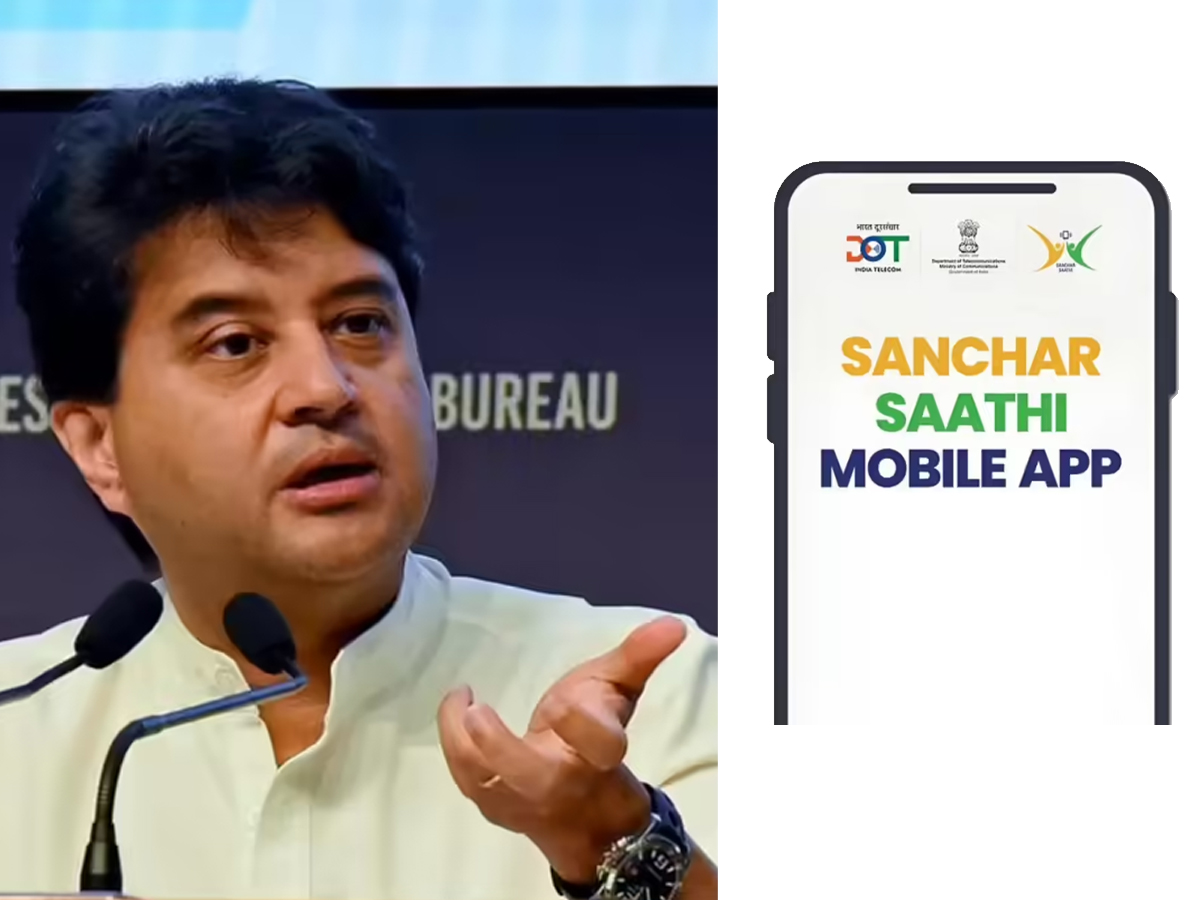
Union Communications Minister Jyotiraditya Scindia defended the mandate initially, saying the app was secure and “meant to help citizens from bad actors in the cyber world.” He also said users could delete it if they wished. The line of argument now appears validated as the government itself moved away from compulsion.
In its recent statement, the department said that users who had already downloaded the app had helped flag nearly 2,000 fraud incidents a day. The sudden uptick in downloads — 6 lakh in a single day — was cited as a clear indication that citizens were embracing the tool on their own.
What does the Rollback of Sanchar Saathi Mean for Smartphone Owners?
Freedom of choice: New and existing smartphone users no longer face mandatory installation of the app.
No legal compulsion: Since the mandate is withdrawn, maintaining or deleting the app is fully up to the user.
Focus on voluntary adoption: The government now aims to build on the app’s popularity rather than enforcing it.
For many privacy-conscious users, this move brings relief. It shows that public opinion and digital-rights concerns can influence policy decisions.
Sanchar Saathi: From Mandate to Massive Popularity
Launched to help citizens report fraudulent SIMs, duplicate IMEIs, lost phones, or misuse of mobile connections, Sanchar Saathi was pitched as a tool to enhance telecom security and consumer protection. The pre-install order had given it a broader reach, but also sparked a backlash.
Now the app stands on its own merit. With 1.4 crore downloads and a daily surge in registrations, it has reached a level of public acceptance that no longer requires government-enforced installation.
What Comes Next for Sanchar Saathi: Trust, Usage, and Oversight
While the reversal ends the mandatory-install debate, it raises new questions. Will the app’s usage remain high? Will citizens trust and continue to use it? And will the government ensure transparency and data protection for the users who remain on it?
For now, the withdrawal signals a win for citizen choice and digital-rights activists. The government’s decision reflects a shift in focus — from forcing compliance to encouraging voluntary participation.