
Defence Acquisition Council (DAC): India has taken a major stride in strengthening its military capabilities. On December 29, 2025, the Defence Acquisition Council (DAC), chaired by Defence Minister Rajnath Singh, approved defence procurement proposals worth about ₹79,000 crore for the Indian Army, Navy and Air Force. This is part of the government’s ongoing push to modernise the armed forces and enhance national security.
What’s in the ₹79,000 Crore Defence Package?
The DAC meeting granted Acceptance of Necessity (AoN), a key approval that sets the official procurement process in motion. The purchase plans span a wide range of advanced systems aimed at improving strike, detection, communication and surveillance abilities.
Indian Army Upgrades
For the Indian Army, several major purchases were greenlit:
- Loiter Munition System – Precision strike weapons for tactical targets.
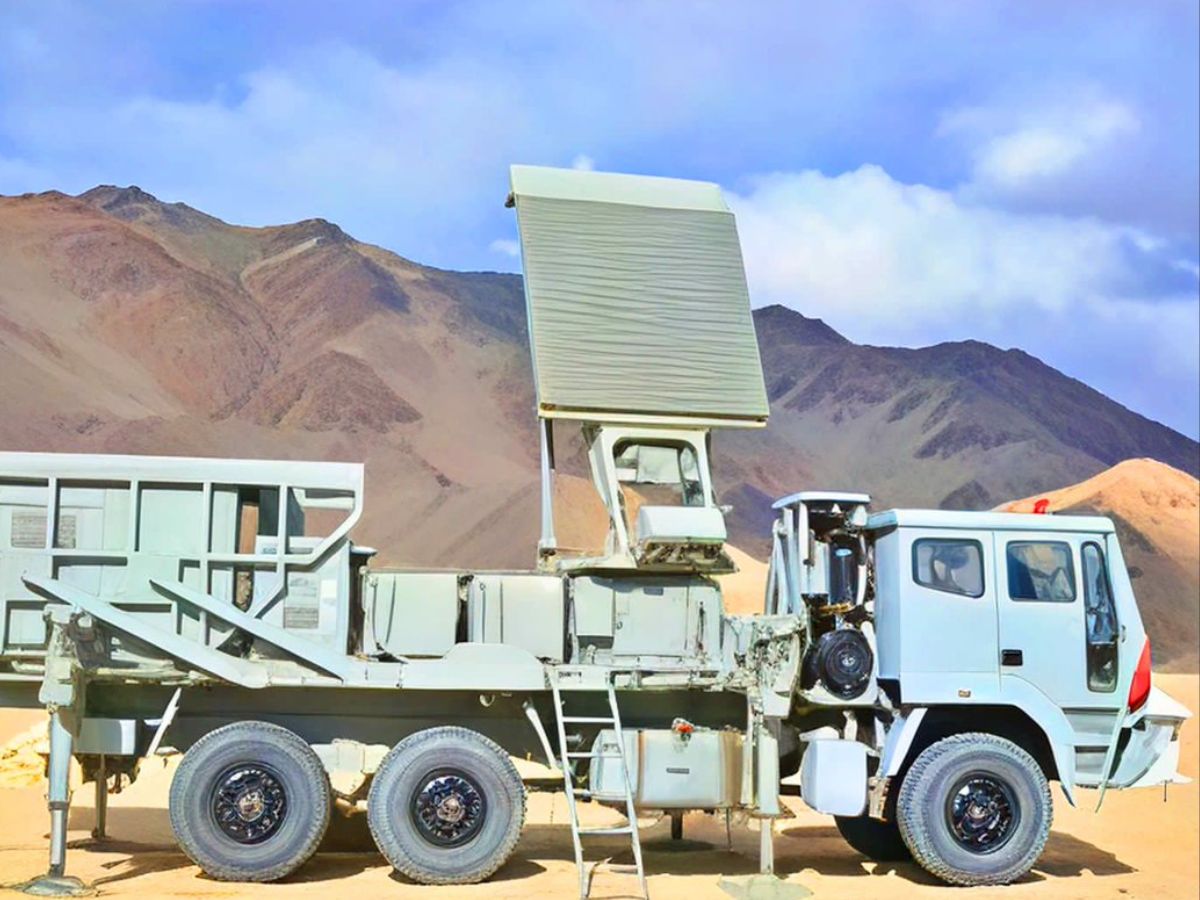
- Low-Level Lightweight Radars – To detect and track small, low-flying unmanned systems.
- Long-Range Guided Rocket Ammunition for Pinaka MLRS – Extends range and accuracy of rocket fire.
- Integrated Drone Detection & Interdiction System Mk-II – Boosts protection against hostile drones.
These upgrades are expected to significantly improve battlefield strike capability and surveillance in diverse operational scenarios.
Indian Navy’s New Assets
The Indian Navy also secured key approvals:
- Bollard Pull (BP) Tugs – Essential for berthing and manoeuvring large vessels in confined waters.
- High Frequency Software Defined Radios (HF SDR) Manpack – Enhances long-range secure communication during maritime operations and boarding missions.
- Leasing of High Altitude Long Endurance (HALE) RPAS – Extended-range drones that will provide continuous intelligence, surveillance and reconnaissance over the Indian Ocean Region.
These additions are aimed at strengthening India’s strategic maritime posture and situational awareness at sea.
Air Force Enhancements Included
The Indian Air Force (IAF) also gained approvals for multiple systems, including:
- Automatic Take-Off and Landing Recording System – Enhances aircraft safety by recording flight operations in all weather conditions.
- Astra Mk-II Missiles – Air-to-air missiles with extended range for better aerial engagement.
- Full Mission Simulator – Supports training for pilots of Light Combat Aircraft (LCA) Tejas.
- SPICE-1000 Long-Range Guidance Kits – Increases precision strike capability of air-delivered munitions.
These systems will improve operational readiness, pilot training and aerial strike precision.
Why This Move Matters?
This ₹79,000 crore package reflects India’s commitment to modernising its military amidst evolving security challenges. The approvals support:
- Enhanced precision strike capability
- Better detection and drone defence systems
- Improved long-range naval and aerial surveillance
- Stronger communication networks in combat zones
Also, many of the systems are aligned with the government’s Aatmanirbhar Bharat (self-reliant India) initiative, likely favouring domestic defence industry participation in production and development.
Impact on Defence Manufacturing and Tech
The DAC’s greenlight is expected to impact both the defence sector and related industries. Stocks of defence manufacturers such as HAL, BEL and Bharat Dynamics Ltd (BDL) were already in investor focus ahead of the meeting due to anticipated procurement announcements.
Broadly, this move could accelerate technology adoption, boost production capacities and create opportunities for innovation within India’s defence ecosystem.
What Happens Next?
With the AoN approved, the next steps include contracting, production or import procedures, followed by deployment planning. These acquisitions will take time to be fully inducted into the armed forces but set a clear direction for India’s defence preparedness in the coming years.