The Union Cabinet has approved a major scheme worth ₹7,280 crore to boost the production of rare-earth permanent magnets in India. The decision came during a Cabinet meeting chaired by PM Narendra Modi. Officials said the move will strengthen India’s manufacturing sector and reduce reliance on global supplies, especially in strategic industries.
VIDEO | Delhi: In a cabinet briefing, Union Minister Ashwini Vaishnaw (@AshwiniVaishnaw) says, “Cabinet approves Rs.7,280 crore scheme to promote manufacturing of sintered Rare Earth Permanent Magnets (REPM).”
This first-of-its-kind initiative aims to establish 6,000 Metric Tons… pic.twitter.com/tFTDtFbjLY
— Press Trust of India (@PTI_News) November 26, 2025
Rare-Earth Permanent Magnets: Major Boost for Strategic Industries
The government cleared the “Scheme to Promote Manufacturing of Sintered Rare Earth Permanent Magnets.” This scheme aims to build India’s capacity to produce 6,000 metric tonnes per annum (MTPA) of rare earth permanent magnets.
Information and Broadcasting Minister Ashwini Vaishnaw said, “The scheme will promote the manufacturing of rare-earth permanent magnets. The aim is to create a capacity of 6,000 MTPA (metric tonne per annum).”
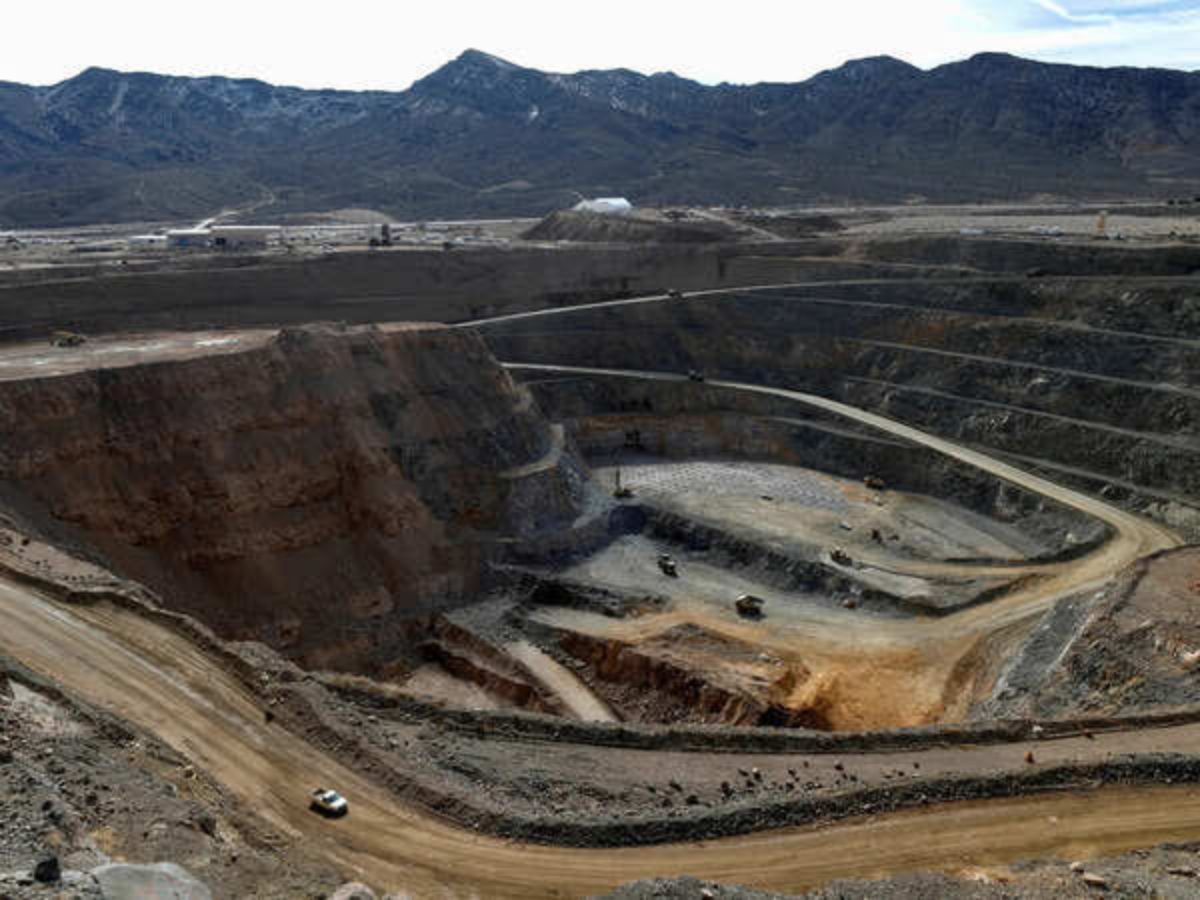
Rare earth magnets play a key role in several high-value sectors. Industries such as electric vehicles, electronics, aerospace, medical devices, and defence depend on these magnets for advanced machinery and cutting-edge technologies.
Five Global Bidders to Get Capacity Allocation
The government plans to distribute the total 6,000 MTPA capacity among five beneficiaries. The selection will take place through a global competitive bidding process. Each selected company can receive up to 1,200 MTPA.
The scheme will run for seven years from the date the award is granted. It includes a two-year period for building a full-fledged Rare Earth Permanent Magnets (REPM) manufacturing facility. The remaining five years will cover the incentive disbursement linked to the actual sale of magnets.
Strengthening India’s Tech and Defence Independence
The approval of this scheme comes at a crucial time when countries worldwide are trying to secure their rare-earth value chains. China currently dominates the global rare earth magnet market. By accelerating domestic manufacturing, India aims to reduce its import dependence, secure its defence and space requirements, and support its rapidly growing EV ecosystem.
This move also aligns with India’s push for self-reliance under the ‘Aatmanirbhar Bharat’ mission. With electric mobility, satellites, drones, smartphones, and renewable energy systems relying heavily on rare earth magnets, the scheme positions India to become a competitive global supplier in the future.
Industry experts believe the scheme will attract global technology partners, create new job opportunities, and foster innovation in advanced materials. It is also expected to support startups working on electric motors, advanced sensors, and green energy technologies.
Impact on India’s Clean Energy and EV Goals
Rare earth magnets are central to the motors used in electric vehicles and wind turbines. As India moves toward its clean energy targets and aims to expand EV adoption, local manufacturing of magnets will ensure a steady supply and lower production costs.
With this scheme, India signals its intention to build a strong advanced-materials manufacturing ecosystem that supports both economic growth and strategic security.