
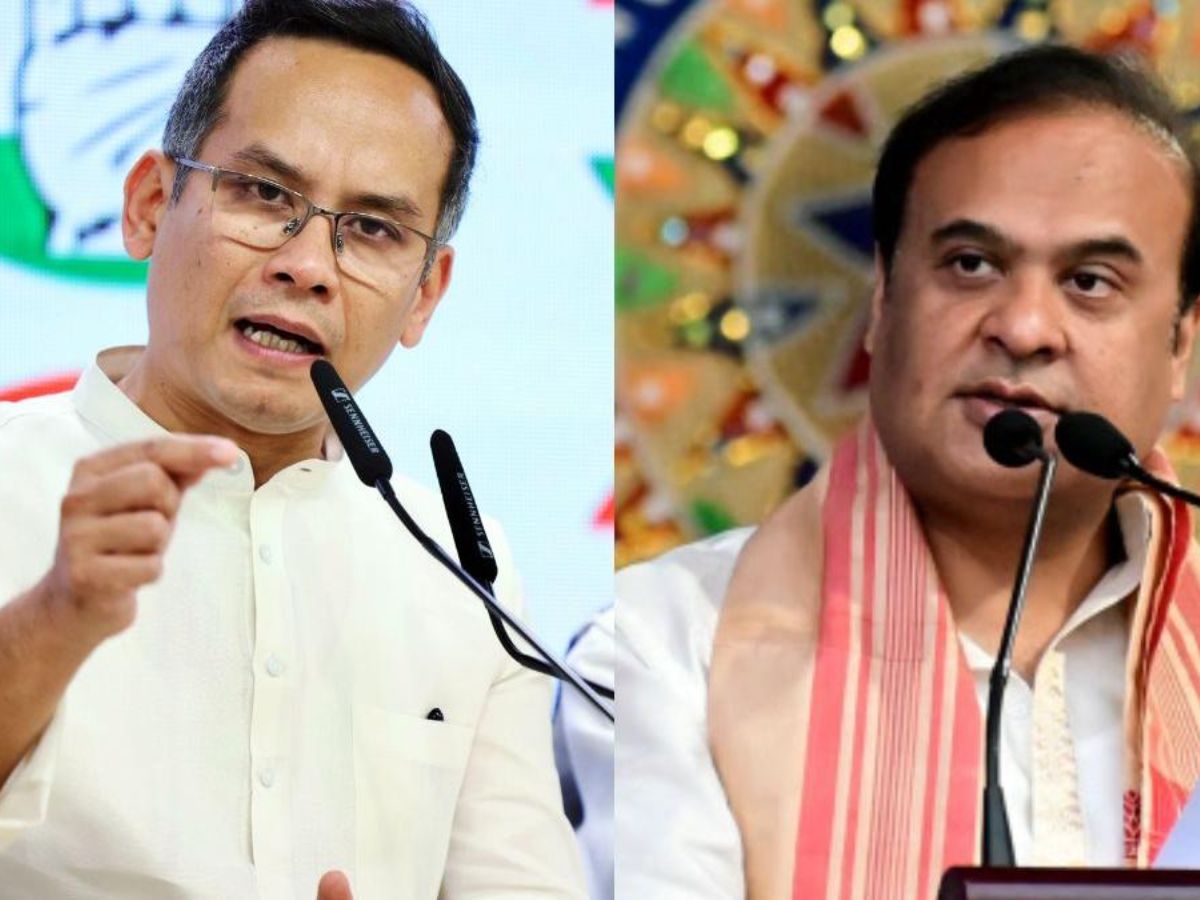
Exit polls released after Assam’s single-phase Assembly elections have projected a strong return for the BJP-led National Democratic Alliance (NDA), with Chief Minister Himanta Biswa Sarma likely heading for a third consecutive term in Dispur.
The Assembly elections were held on April 9, and results are scheduled to be announced on May 4. According to projections released on April 29, the NDA is expected to win between 85 and 101 seats in the 126-member Assembly, comfortably crossing the majority mark of 64 seats. The Congress-led opposition alliance is projected to secure between 23 and 36 seats.
A “poll of polls” based on surveys by agencies including Axis My India, JVC, Matrize, Peoples Insight and Kamakhya Analytics projected the NDA winning around 88 to 98 seats. The Congress-led bloc was estimated to win between 25 and 35 seats, while smaller parties, including the AIUDF, were projected to remain limited to single-digit figures.
Axis My India projected 88-100 seats for the NDA and 24-36 seats for Congress+. JVC estimated 88-101 seats for the BJP-led alliance. Other agencies, including Matrize, projected the NDA in the range of 85-95 seats. Even more cautious estimates from agencies such as P-MARQ and Peoples Pulse kept the NDA above the 80-seat mark.
If the projections prove correct, it would mark another major political consolidation for the BJP in Assam. The party first came to power in 2016, ending decades of Congress dominance in the state. In 2021, the BJP and its allies retained power with a clear majority. The latest projections suggest the alliance may have expanded its support base further across Upper Assam, Central Assam, Lower Assam and the Barak Valley.
Exit poll findings and ground reports pointed to a mix of governance issues, regional security concerns and development promises shaping voter behaviour. Surveys indicated that unemployment and economic opportunities remained major concerns among voters. However, the BJP’s focus on infiltration, border management and its “Assam for Assamese” campaign appeared to find support among indigenous communities.
During the campaign, Sarma highlighted infrastructure development, welfare measures for tea garden workers, flood management and action against illegal immigration. Opposition parties accused the government of polarisation and neglect of minorities.
The Congress, led by state president Gaurav Gogoi, attempted to strengthen its position by building a wider opposition alliance linked to the INDIA bloc. The party raised issues such as rising prices, alleged corruption in major projects and demands for stronger protection of Assam’s identity. However, projections suggested that opposition parties struggled to present a united challenge. Smaller regional parties, including Raijor Dal and AJP, were projected to win very few seats.
Regional trends in exit poll analyses suggested that the BJP performed strongly in Upper Assam, with some projections showing the alliance winning 29 to 31 of the region’s 35 seats. The NDA was also projected to perform strongly in North and Central Assam and make gains in the Barak Valley. Lower Assam remained more competitive but not enough to significantly affect the overall projections.
The elections also witnessed high voter participation, reportedly around 85 percent, with strong turnout among women voters. Despite this, surveys did not indicate the anti-incumbency trend the opposition had expected.
Assam’s political landscape has changed significantly over the past decade. The BJP strengthened its position through alliances with regional parties and by focusing on issues linked to the Citizenship Amendment Act and the NRC process. Sarma, once a senior Congress leader before joining the BJP, has become one of the party’s key political figures in the Northeast.
Despite the projections, political observers noted that exit polls do not always accurately predict final results. Past elections in India have shown unexpected outcomes due to last-minute voter shifts and the complexity of electoral dynamics in diverse states such as Assam.
Congress leaders have questioned the projections, citing concerns related to delimitation and administrative factors. BJP leaders, meanwhile, expressed cautious confidence and credited public support for development and leadership.
If the NDA returns to power, the government is expected to continue focusing on infrastructure projects, industrial investment, tourism and implementation of pending issues linked to the Assam Accord. At the same time, challenges including floods, unemployment, ethnic tensions and environmental concerns are expected to remain major issues for the next government.
As Assam waits for the final results on May 4, the exit polls have given an early advantage to the BJP-led alliance. However, the final verdict will depend on the official counting of votes.