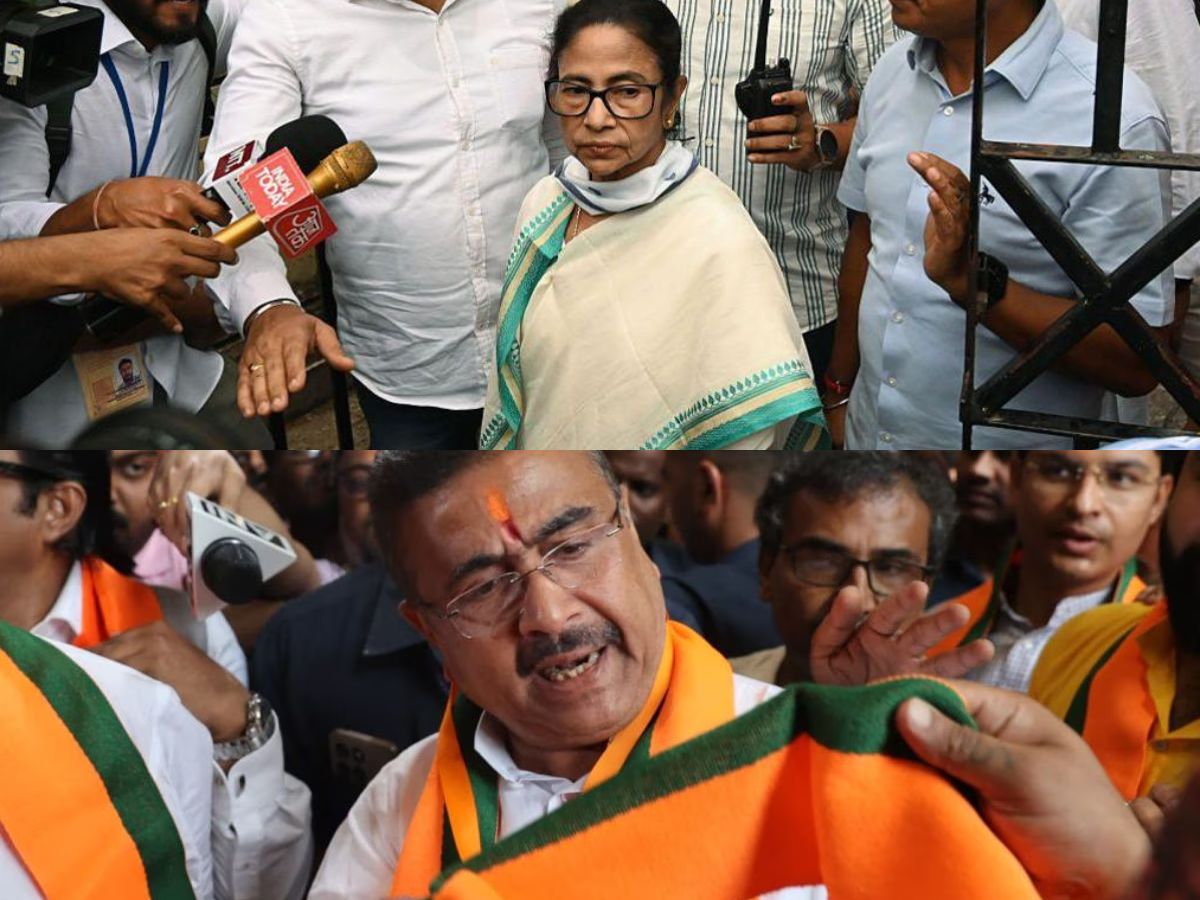
The BJP stands at a politically decisive moment in West Bengal. After years of attacking the Trinamool Congress for allegedly sheltering tainted leaders, encouraging patronage networks and allowing criminality to seep into governance, the party now faces the same test it once used to define its principal opponent.
The upcoming cabinet expansion is therefore not merely an administrative exercise. It is a moral and political audit of the BJP’s own credibility.
Reports and political discussions within party circles suggest that several newly elected MLAs, including individuals facing serious allegations, controversial past records, or reputational concerns, are lobbying aggressively for ministerial berths.
Equally troubling are murmurs and claims made by supporters and intermediaries of these MLAs that money has allegedly been offered by them to influential party functionaries in exchange for cabinet consideration.
Whether these claims are eventually proven or not is secondary to the larger danger they represent.
The perception of transactional politics alone is enough to damage a government that came to power promising a break from exactly this culture.
The BJP’s rise in Bengal was not built merely on anti-incumbency. It was built on the argument that the Trinamool Congress had drifted away from ethical governance and become associated, in the public imagination, with corruption scandals, local strongmen and politically protected networks. Voters who turned towards the BJP did so with the expectation that the party would impose stricter standards on governance, appointments and public conduct.
If the new government begins its tenure by inducting controversial figures into the cabinet, it risks collapsing the moral distinction that brought it electoral legitimacy in the first place.
This is where the role of Prime Minister Narendra Modi and party president Nitin Nabkn becomes crucial. The central leadership cannot afford to remain dependent solely on filtered political feedback from state units, especially in a politically volatile state like West Bengal where factional interests often override long-term institutional thinking.
If individuals with questionable backgrounds are being promoted internally through lobbying, pressure tactics or influence networks, the central leadership must intervene before those decisions acquire official legitimacy through cabinet induction.
The danger is not only administrative. It is reputational. In politics, perception hardens quickly into public memory. Once controversial ministers take oath, the opposition narrative will immediately shift from accusing the BJP of hypocrisy to presenting it as indistinguishable from the very system it promised to dismantle.
The damage from such a perception would not remain confined to Bengal. It would directly affect the image of the Prime Minister and the party leadership nationally because cabinet appointments are ultimately seen by the public as carrying the approval of the top leadership.
The BJP still has an opportunity to send a different message. It can demonstrate that electoral victory does not mean political compromise. It can prove that access to power will not be determined by proximity to state-level intermediaries, financial influence or muscle power.
Most importantly, it can reassure voters that the mandate in Bengal was not merely for a change of faces, but for a change of political culture.
Governments are often judged less by the promises they make than by the people they empower.
The cabinet expansion in West Bengal will therefore reveal whether the BJP intends to preserve its claim of political difference or surrender it at the very beginning of its tenure.