The Lok Sabha on Thursday passed the Viksit Bharat Guarantee for Rozgar and Ajeevika Mission (Gramin) Bill, 2025, amid loud protests and repeated disruptions by opposition MPs. The bill, which seeks to replace the existing rural employment framework, sparked sharp political confrontation over the legacy of MGNREGA and the use of Mahatma Gandhi’s name.
As treasury benches backed the legislation, opposition parties accused the government of weakening a landmark welfare law that guaranteed employment to rural households.
What is the Viksit Bharat G Ram G Bill?
The new law promises a statutory guarantee of 125 days of wage employment each year to rural households whose adult members seek unskilled manual work. The bill requires state governments to align their existing schemes with the new framework within six months of its implementation.
The government said the bill aims to strengthen rural livelihoods and ensure faster wage delivery.
Why Is MGNREGA at the Centre of the Row?
Opposition leaders claimed the new law dilutes the Mahatma Gandhi National Rural Employment Guarantee Act, which they described as a transformative right-to-work programme.
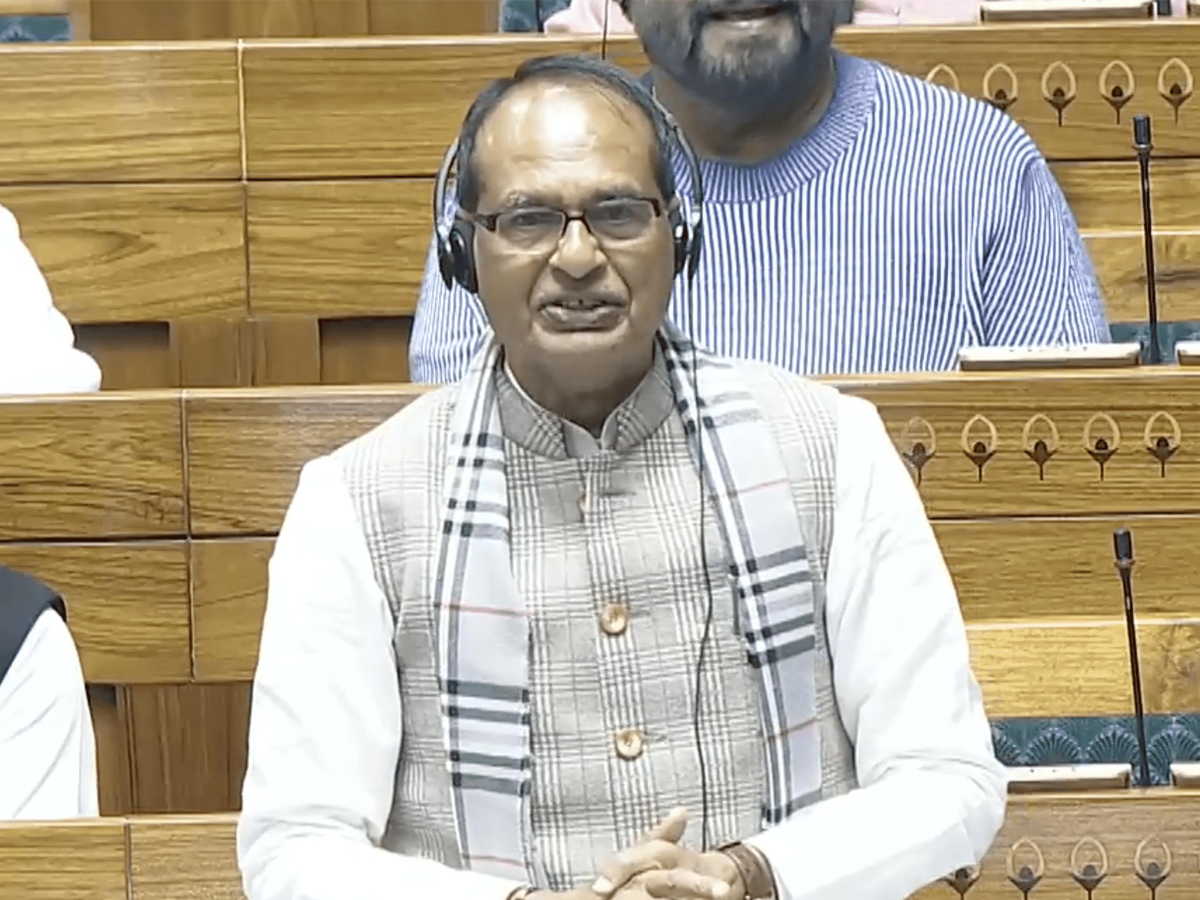
Union Rural Development Minister Shivraj Singh Chouhan rejected the charge and questioned the intent behind adding Mahatma Gandhi’s name to the original law.
“Initially, it was NREGA, and Mahatma Gandhi’s name was not included in the bill. Later, when the 2009 general elections came, Bapu came to the mind of Congress to get votes. I would want to say that MGNEGA was implemented properly and strongly by Prime Minister Narendra Modi,” Chouhan said.
Government vs Opposition in Lok Sabha
The debate quickly turned chaotic. Opposition MPs tore papers, shouted slogans, and repeatedly interrupted proceedings. Several members demanded the withdrawal of the bill, calling it an attack on rural workers.
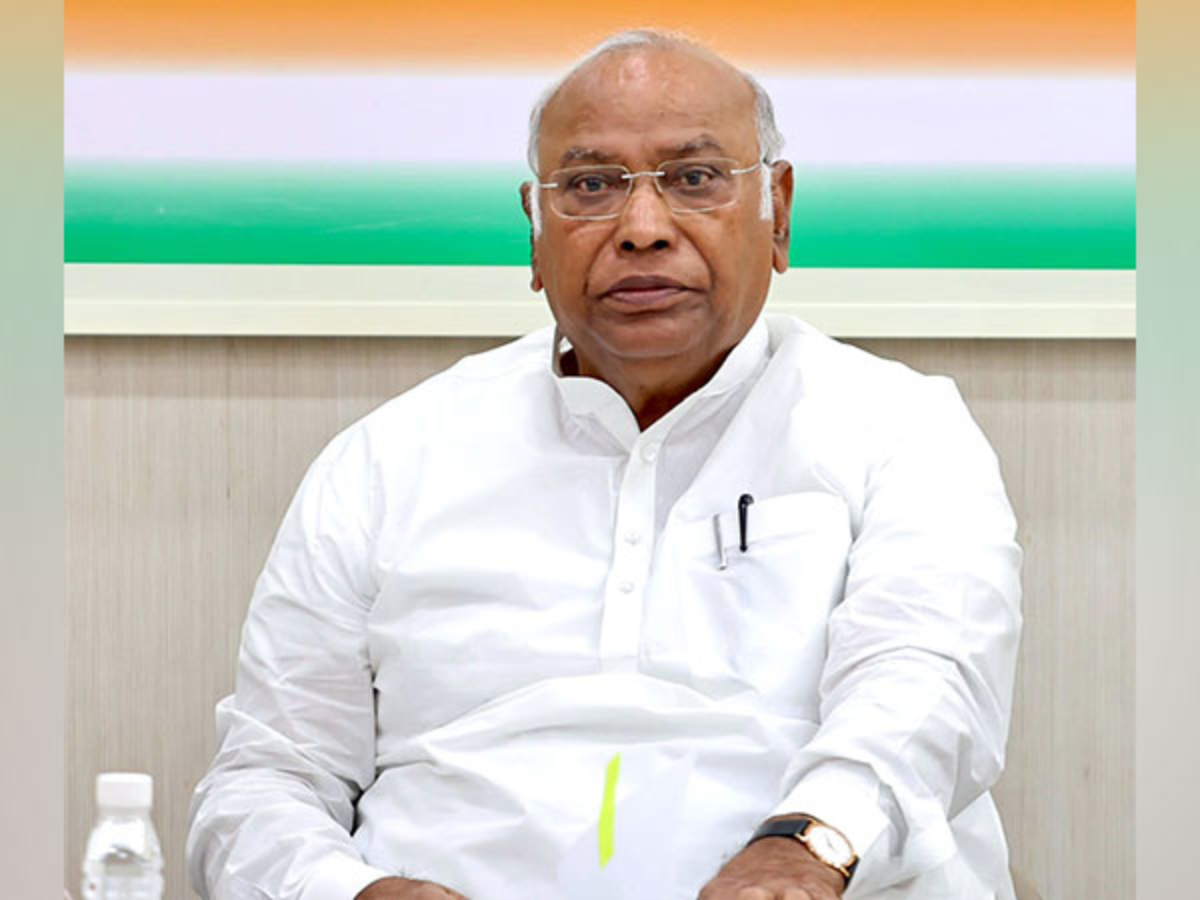
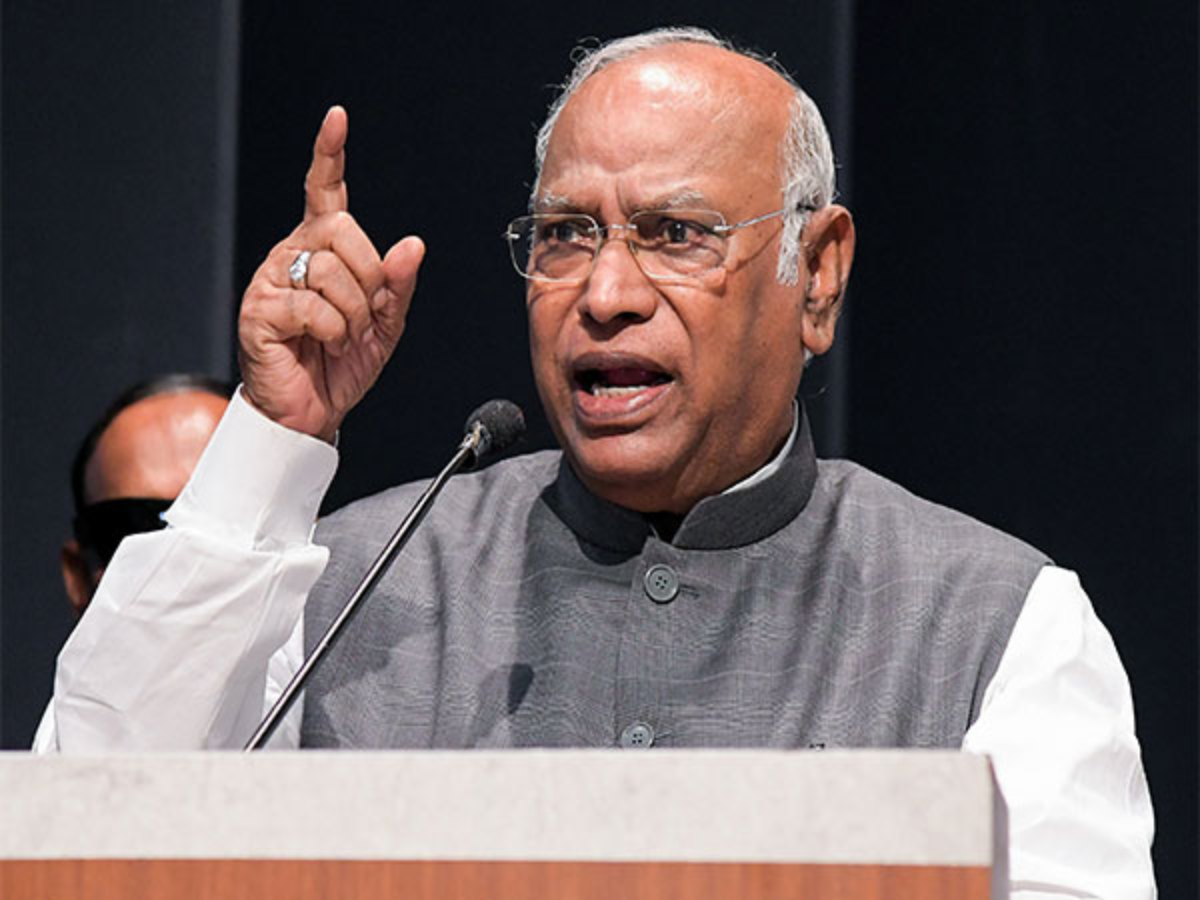
Congress president Mallikarjun Kharge described the legislation as an insult to Mahatma Gandhi and warned that it would weaken employment security in villages. Sonia Gandhi joined protesting MPs near Makar Dwar, while Priyanka Gandhi criticised the government for renaming schemes.
Chouhan responded by listing several welfare schemes named after Jawaharlal Nehru and Mahatma Gandhi, rejecting claims that the government renames programmes arbitrarily.
Political Fallout Beyond Parliament
The bill’s passage has intensified the political divide over welfare policy and historical legacy. The opposition argues that MGNREGA played a crucial role in rural income stability and migration control. The government maintains that its reforms improve efficiency and delivery.
The protests inside Parliament reflected a broader disagreement over whether the new framework strengthens or weakens employment guarantees.
With the bill cleared by the Lok Sabha, states will need to revise their rural employment schemes to comply with the new law. The government said implementation details will follow soon.
As political tensions remain high, the future of rural job security has become a central issue ahead of upcoming electoral battles.