
Assam’s political atmosphere has heated up ahead of the Assembly elections, likely to be held in early April with the formal announcement expected in March. At the centre of the campaign is the growing debate around “Miya politics”, which has become one of the most talked-about and controversial issues in the state.
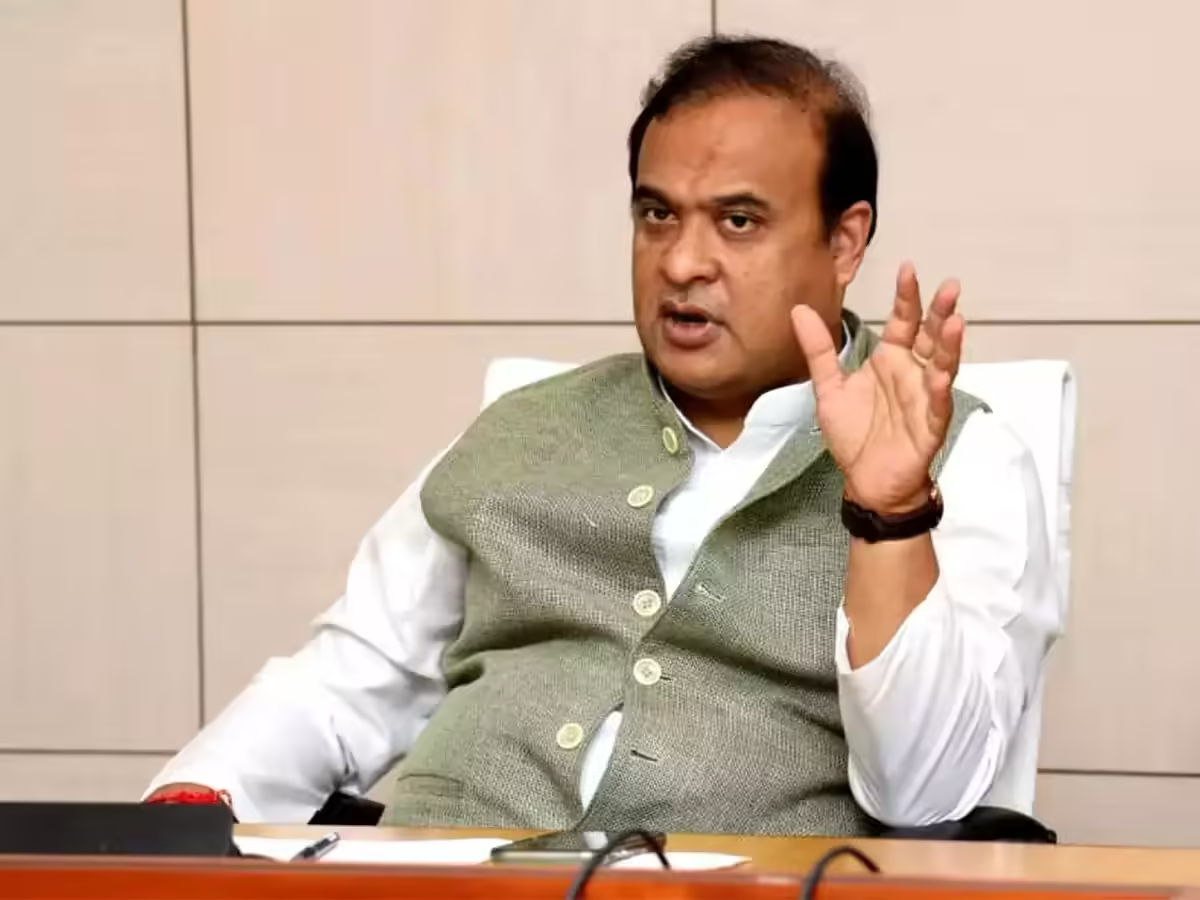
The BJP, led by Chief Minister Himanta Biswa Sarma, is projecting strong confidence. The party claims it is in a comfortable position in 103 of the 126 Assembly seats and plans to introduce around 40 new candidates this time. Sarma has said repeatedly that the BJP will return to power, regardless of any alliance among opposition parties. He has highlighted his government’s work on infrastructure, improved power supply and new investments as key achievements.
In recent weeks, the BJP organised a 400-km yatra to connect with voters and launched social media reel contests as part of its outreach campaign. The state government also presented an interim budget continuing its flagship schemes. Seat-sharing talks within the NDA are expected to be finalised by mid-March. Meanwhile, the opposition camp has faced setbacks, including the defection of former Assam Congress president Bhupen Borah to the BJP. After joining the ruling party, Borah criticised the Congress for “appeasement” politics and lack of resources.
The issue of “Miya politics” has emerged as a central flashpoint. The term “Miya” is commonly used to refer to Bengali-origin Muslims and is often seen as derogatory, suggesting alleged Bangladeshi immigrants. The BJP has strongly pushed its stand on preventing illegal infiltration and protecting indigenous communities. The party is trying to consolidate non-Muslim votes, especially among Assamese communities, tea tribes that influence around 40 seats, and Hindu voters.
Chief Minister Sarma has made strong statements on the issue. He said his “job is to make the Miya people suffer” so that they leave. He has also claimed that 4 to 5 lakh “Miya votes” would be removed during the Special Intensive Revision (SIR) of electoral rolls to delete names of ineligible or illegal immigrants. These remarks have drawn sharp criticism from opposition parties, who allege that Muslims are being targeted. The matter has led to legal challenges and criticism from organisations such as the All India Muslim Personal Law Board.
Congress MP and Assam Congress president Gaurav Gogoi has become a major target of the BJP’s campaign. The ruling party accuses him of being soft towards “Miya” interests and claims the Congress is focusing on 22 Miya-dominated constituencies. Sarma has also made personal allegations regarding Gogoi’s 2013 visit to Pakistan, calling him a “Pakistani agent” and alleging “Pakistan assets.” He has said there should be no Pakistani influence in India.
Gogoi has strongly denied the allegations, calling them “mindless” and “bogus” and comparing them to “C-grade cinema.” He has threatened legal action over what he described as privacy violations involving his family. The Congress has defended him by pointing to his national responsibilities, including his association with the India-Philippines Parliamentary Friendship Group.
BJP minister Ashok Singhal has also spoken about protecting land and demographic balance. He has urged communities to safeguard Assam from what he calls “Miya” encroachment and has opposed allowing “Miyas” to set up shops at public events or occupy land and forests. He says that this is about protecting indigenous rights, not communal bias.
With Muslims forming around 34 per cent of Assam’s population and influencing several seats in Lower Assam and Barak Valley, “Miya politics” is expected to play a decisive role. The BJP is banking on polarisation around identity and indigenous rights, while the opposition is appealing for unity and protection of constitutional rights. As campaigning intensifies, the 2026 Assembly election is shaping up as one of the most polarised political battles in Assam’s recent history.