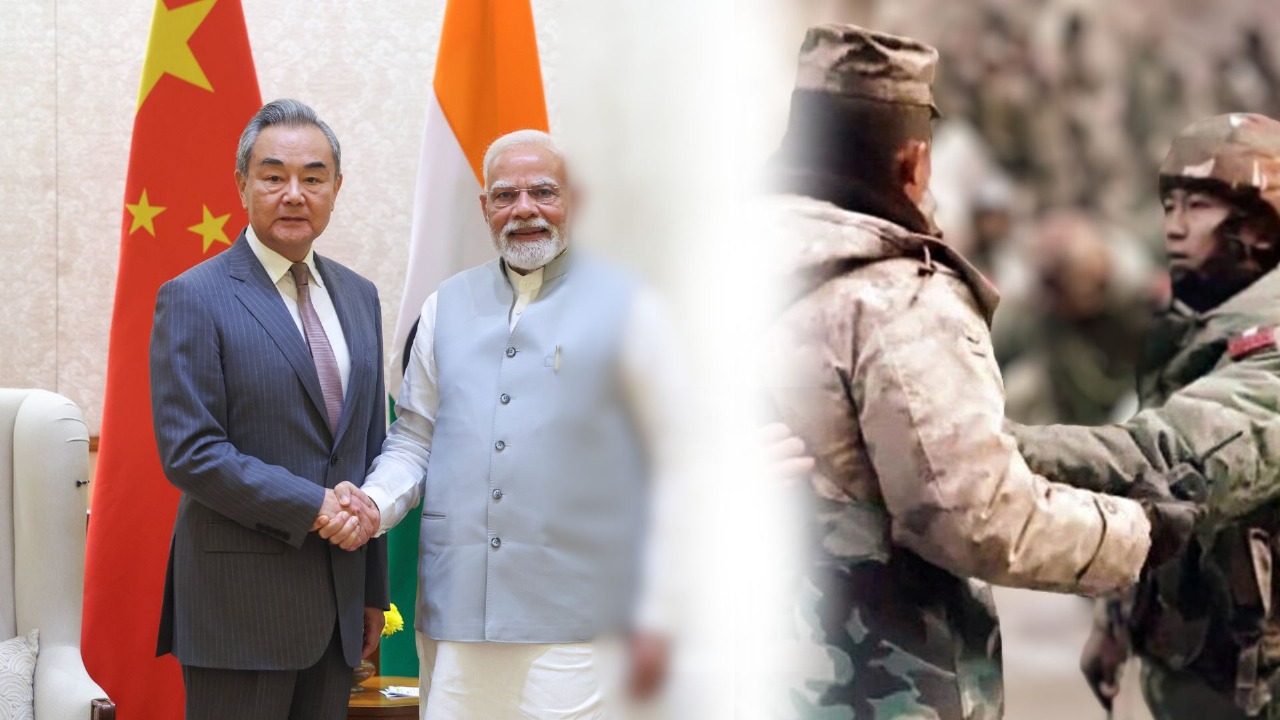
The US-imposed tariffs have apparently forced India and China to get close together, displaying a united front from strategic partnership, diplomatic ties and economic arrangement, in fact more vocal rhetoric of ‘Hindi-Chini bhai-bhai 2.0’ sounding from Chinese apparatus. But it is China that has been behaving more of a serpent at most of the times rather than the dragon it poses to be, with its expansionist attitude and the lack of mutual respect for its partners. As Bharat smiles shaking hands with the Chinese representative, the skepticism, rightly so, is very much visible crediting to a number of factors.
ALSO READ | Amid US Tariff Pressure, India and China Move Closer on Dialogue and Connectivity
Economic Frictions and Tariff Turmoil
India’s trade relationship with China is both critical and problematic. While China is one of India’s largest suppliers of electronics, machinery, and pharmaceutical intermediaries, Indian exports to China remain relatively modest. This imbalance has left New Delhi vulnerable, particularly during disruptions caused by tariff disputes and supply-chain shocks. The urgency of reducing dependence on Chinese imports has strengthened India’s push for self-reliance through the Make in India and PLI schemes.
Strategic Shocks: The Galwan Turning Point
The 2020 clash in the Galwan Valley marked a watershed moment in bilateral relations. The fatalities of Indian troops shattered fragile trust and underscored the volatility of border engagements. Since then, repeated disengagement talks have yielded little beyond temporary pauses, keeping the Line of Actual Control tense and unpredictable.
ALSO READ | Hon’ble Trump, You Messed With The Wrong Country!
China-Pakistan Nexus and CPEC Concerns
China’s unwavering support for Pakistan further complicates matters. The China-Pakistan Economic Corridor (CPEC) runs through Pakistan-occupied Kashmir, directly infringing on India’s territorial claims. Beyond infrastructure, military and diplomatic ties between Beijing and Islamabad embolden Pakistan and exacerbate India’s strategic vulnerabilities. For New Delhi, this axis serves as a reminder that China’s regional ambitions are often diametrically opposed to India’s core security interests.
Territorial Flashpoints: Arunachal and Tibet
Persistent disputes over Arunachal Pradesh symbolise Beijing’s refusal to respect Indian sovereignty. Regular Chinese efforts to rename places in the region or issue “stapled visas” are designed to undermine India’s territorial claims. Meanwhile, the issue of Tibet continues to hang over both the sides. China’s determination to control the succession of the Dalai Lama clashes directly with Indian sensitivities, especially since the Tibetan spiritual leader resides in Dharamshala. The succession battle could become a fresh diplomatic and moral flashpoint in the near future.
ALSO READ | ‘Nothing-doing, Mr. Trump’, PM Modi’s Clear Message on Agro-Dairy
India’s Reset: Diversification and Strategic Partnerships
Faced with recurring frictions, India is recalibrating its external engagements. The reset includes fostering indigenous manufacturing capacity, diversifying import sources, and strengthening ties with Indo-Pacific partners through platforms like the Quad. Economic decoupling from China may not be absolute, but India aims to reduce the risks of over-dependence by cultivating alternative global alignments.
Can China Be Trusted in the Long Term?
Trust in international relations is built on consistent actions rather than rhetoric. China’s record- border incursions, economic leverage, continued romantic alignment with Pakistan, and challenges to India’s sovereignty offers little reassurance. For India, the forced reset reflects hard-earned realism: engagement with Beijing must be pragmatic, limited, and balanced with preparedness for long-term rivalry rather than expectations of lasting trust.