India’s skies are now under heightened scrutiny as all airports across the country have been put on maximum alert, following a chilling advisory from the Bureau of Civil Aviation Security (BCAS). With intelligence agencies flagging the possibility of a terror attempt between September 22 and October 2, the Centre has wasted no time in swinging into action.
The Ministry of Civil Aviation has ordered aviation hubs, from major international terminals to remote airstrips and training institutes, to tighten every link in the security chain.
Airports Told to Stay on High Guard Round-the-Clock
The directive outlines strict measures that must be followed immediately. CCTV surveillance systems are to remain operational and under constant monitoring at all times. Control rooms have been told to monitor the feeds at all times.
No area is to be left unchecked. Officials are required to maintain a tight grip on access control, ID verification, and on-ground personnel movement, leaving no room for impersonation or unvetted entry. Even visiting suppliers, contractors, and support personnel must have legitimate identification on hand or risk being completely excluded from the property.
Also Read: PM Modi: Opposition ‘Scored Self Goal’, NDA Passes Resolution Saluting Armed Forces
Helipads and Flying Schools on Radar Too
This alert isn’t restricted to commercial airports alone. Authorities have expanded the security blanket to include helipads, flying schools, airstrips, and aviation training academies. Potential easy targets, smaller but no less susceptible installations, are frequently disregarded during large-scale security operations.
All such installations have been asked to conduct security audits, bolster boundary protection, and ensure that ground-level staff are updated on emergency drills.
CISF and Intelligence Agencies Stepped Up
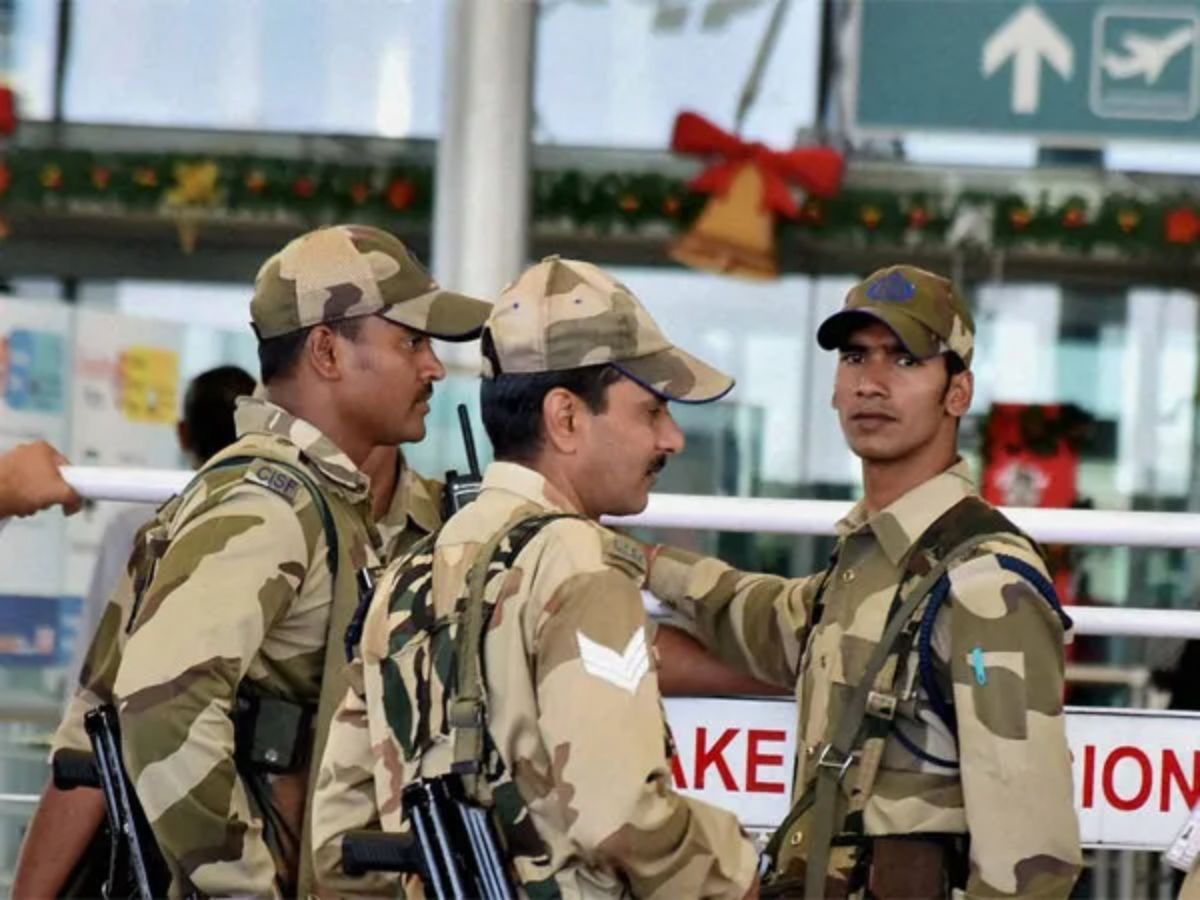
One of the core points of the advisory is real-time coordination. The BCAS has emphasized that airport operators work closely with the Central Industrial Security Force (CISF), local police, and national intelligence agencies. Coordination of exercises, prompt communication, and shared notifications are being encouraged to ensure a seamless response in the case of a real danger.
Top security officials believe that while there’s no confirmed target yet, the warning must be taken seriously. In such scenarios, proactive preparation is always better than reactive regret.
Passengers, Staff Told to Stay Alert But Not Panic
The advisory also calls for public awareness without creating panic. Travelers are being gently reminded via public announcements to remain alert and report anything suspicious, whether an unclaimed bag, unusual behavior, or even abandoned items in terminals.
Airport staff, including airline crew and customer-facing personnel, are being retrained to handle emergencies, defuse anxiety, and coordinate with security without delays. The focus is on staying calm, staying alert, and ensuring that every passenger journey is safe from curb to cabin.
Airport Authorities Ordered to Convene Special Meetings
A step further, BCAS has asked all Airport Directors to hold special Airline Operators Committee (AOC) and Airport Security Committee (ASC) meetings. Representatives from airlines, ground handlers, fuel suppliers, and security personnel will attend these sessions.
The goal is simple, close every possible loophole. Regional directors of the BCAS have also been asked to follow up with zone-specific review meetings, so that no corner of India’s aviation map remains unguarded.
Also Read: ‘India Must Pay for War Profiteering’: US Senator Backs Trump’s Tariff Threat
A Timely Alert in a Time of High Footfall
The advisory comes at a time when the country is seeing a spike in domestic and international travel, alongside major religious festivals and political activity. Airports are already witnessing dense passenger traffic, and any laxity in surveillance could be catastrophic.
While officials have not revealed the exact nature of the intelligence inputs, the proactive scale of this response indicates that the alert isn’t being taken lightly.
For now, travelers can expect longer queues at checkpoints, stricter baggage screening, and a stronger security presence. But behind the tightened belts lies one clear message—India is not taking any chances when it comes to keeping its skies safe.