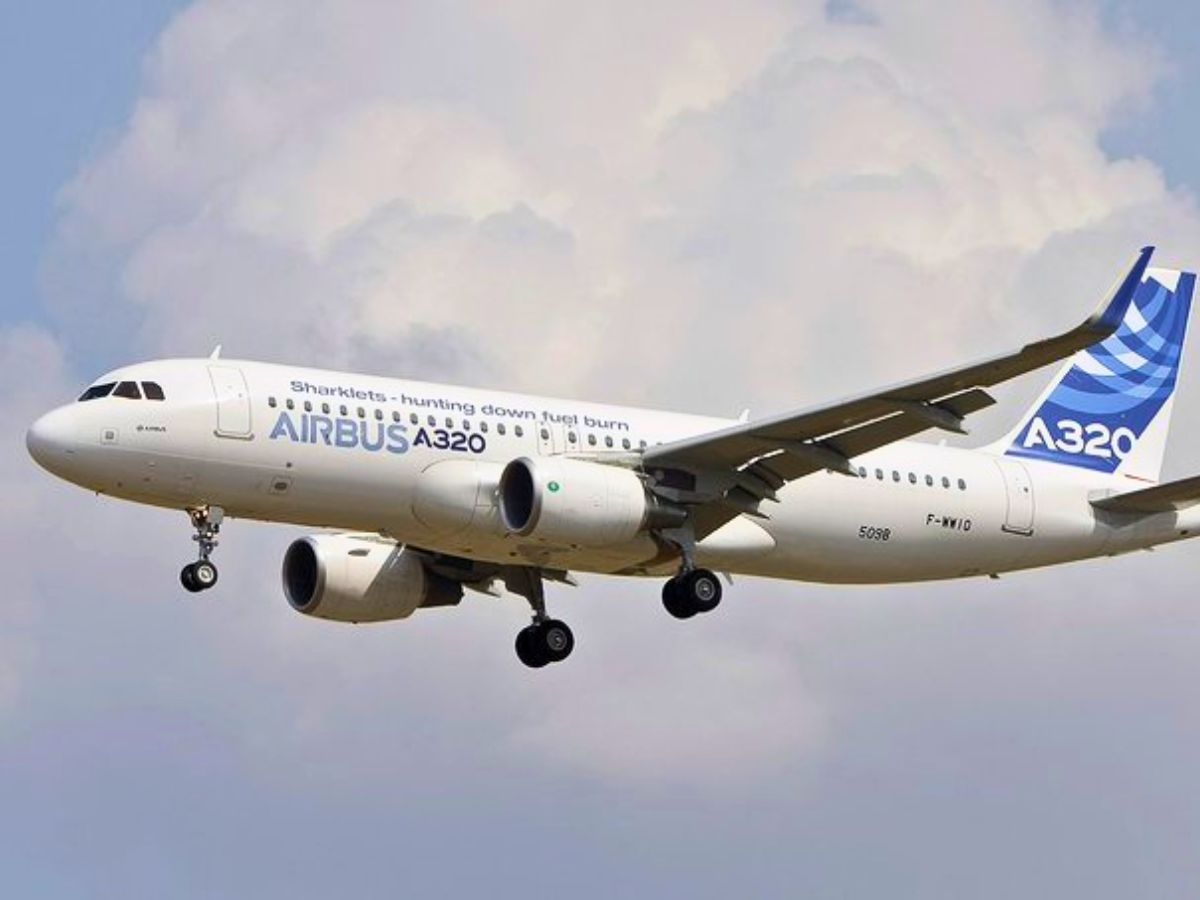
India’s aviation regulator has revealed that almost 350 Airbus A320-family jets in the country were impacted by a global software issue. The glitch prompted an urgent directive to update flight-control systems, causing major disruptions.
As of now, the regulator says over half of the affected jets, around 55%, have completed the required software upgrade. The situation continues to affect flights, prompting airlines and passengers to brace for potential delays.
How Many Planes Were Affected in India?
Regulators identified 338 A320-family aircraft operating in India under various carriers. After the global alert from Airbus, the national regulator issued a mandatory modification order on November 29. The order applied to all A320-series jets — including older “ceo” and newer “neo” variants, along with A321 family planes.
Major carriers such as IndiGo, Air India, and Air India Express operate large portions of this fleet. The regulator said that the update process has already covered more than half of the grounded planes.
Which Airlines Are Performing the Fix?
Aircraft maintenance and software updates are underway at airline bases in major cities, including Delhi, Bengaluru, Mumbai, Chennai, Hyderabad, Ahmedabad and Kolkata. These hubs are handling the bulk of the retrofits to restore aircraft to service safely and quickly.
Airlines confirmed that they are following the directive. According to statements, some jets are already cleared to fly again, while others remain grounded until the safety checks are complete.
What This Means for Flights and Passengers?
Passengers travelling on A320 or A321 jets should expect possible delays or cancellations, especially on short-haul or regional routes. Airlines have warned travellers to check the status of their flights — especially those booked on aircraft from the affected fleet.
Carriers operating large numbers of A320-series jets face pressure: they must balance urgent safety upgrades with customer commitments. This may lead to last-minute schedule changes, seat re-assignments and possible disruptions — especially if upgrade backlogs persist.
Why the Global Glitch Happened?
The issue originated from a flight-control software update issued by the aircraft manufacturer. The update reportedly caused some flight-control anomalies, prompting global regulators to step in.
After a recent incident — where an A320 aircraft experienced a malfunction mid-flight — aerospace authorities worldwide issued a recall. The directive required airlines to revert to a stable version of the software before allowing the jets to fly again.
Given that over 6,500 Airbus A320 jets operate worldwide, the recall affected numerous airlines globally. India’s large A320 fleet meant the impact was immediate and widespread.
Safety First: Why Updates Are Mandatory?
Regulators emphasize that even though the software fix is a technical rollback, it is essential for safety. Until the update completes, affected planes must stay grounded. The directive reflects strict international aviation safety standards. Airlines and maintenance crews are working around the clock to restore compliance.
This incident underlines how modern air travel relies heavily on software — not just hardware. It also shows that aviation authorities and airlines are ready to act without hesitation when safety is at stake.
Indian Aviation Tests Resilience Amid Global Crisis
This situation is a stress test for India’s aviation infrastructure. Handling hundreds of grounded jets, adjusting schedules, and maintaining safety under pressure poses a challenge. The ability of airlines and regulators to respond swiftly — by grounding jets, rolling back software, and updating aircraft — shows a commitment to safety.
The coming weeks will tell whether airlines can clear the backlog quickly and restore schedules. For passengers, flexibility and checking flight status frequently will remain vital.