Air India has uncovered a long-forgotten Boeing 737 that remained parked at Kolkata Airport for more than a decade without anyone noticing its absence. The discovery came only after the airport asked the airline to remove the abandoned aircraft, triggering questions about how an entire jet slipped through multiple administrative cycles without detection. The incident sheds light on the deep-rooted documentation issues that existed before the airline’s privatization.
Air India Plane Lost in Plain Sight
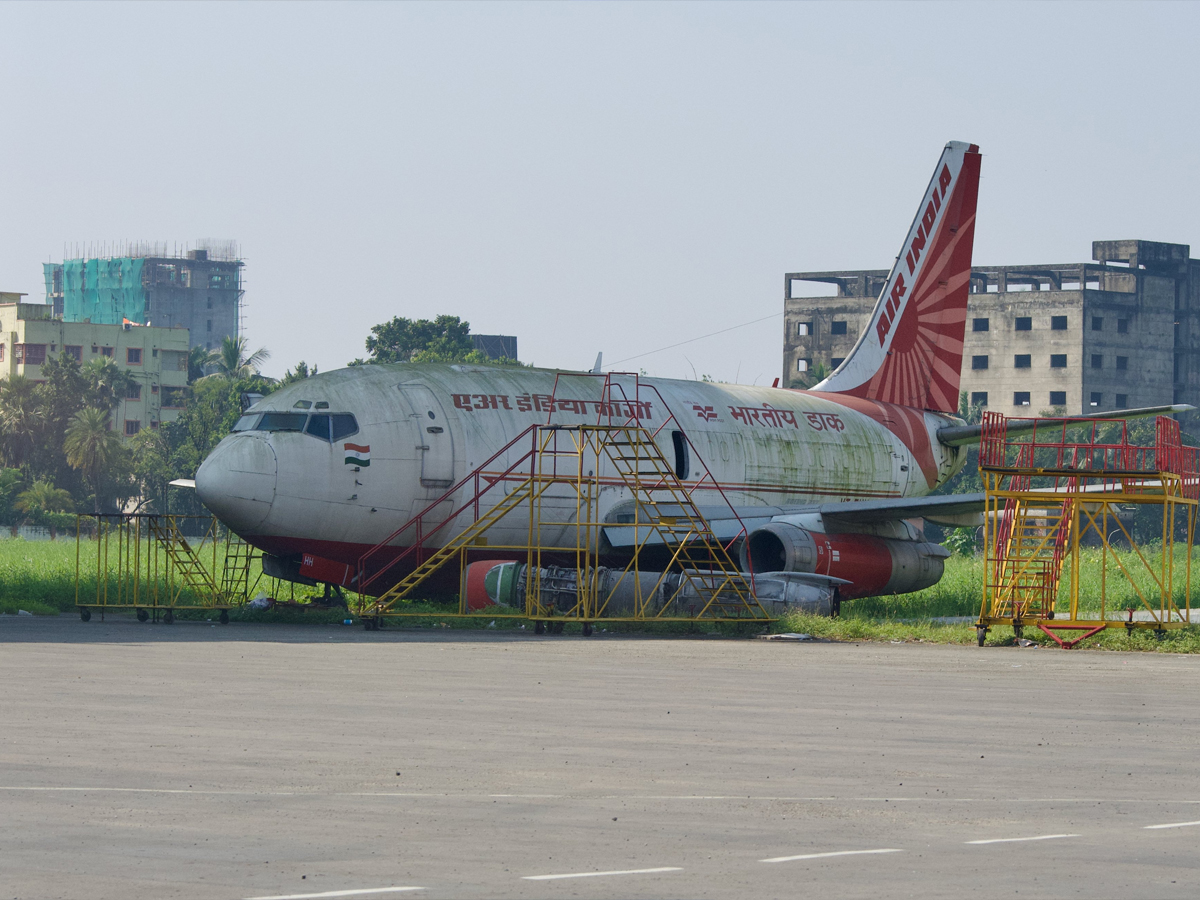
The aircraft in question is a 43-year-old Boeing 737-200, registered as VT-EHH. It belonged to the Baby Boeing series and first joined Indian Airlines’ fleet in 1982. The jet later flew for Alliance Air before Air India converted it into a freighter in 2007. Painted with India Post markings, it carried mail and cargo until it was grounded at Kolkata Airport in 2012.
However, instead of being sold, scrapped, or properly retired, the aircraft was simply left in a remote corner of the airport. Over time, it disappeared from Air India’s internal fixed-asset records. For 13 years, no internal document, insurance file, or maintenance register listed the existence of VT-EHH.
Airport Inquiry Sparks Investigation
The forgotten aircraft came back into the spotlight only when Kolkata Airport contacted Air India and requested that the airline remove the abandoned jet from the premises. This inquiry triggered a detailed internal audit.
The audit confirmed that VT-EHH had been missing across multiple documents for years. It was not listed in depreciation schedules, insurance records, or maintenance and financing logs. The oversight continued through many years of management changes.
At the time the aircraft was grounded, Air India was a state-run airline. The lack of proper processes in the old system allowed such errors to accumulate, and taxpayers ultimately bore the financial impact.
Operational Oversight Over the Years
Air India CEO Campbell Wilson later informed staff that the aircraft had repeatedly been omitted from internal files in the years leading up to privatization. Aviation experts noted that the jet appeared to have been moved several times after its retirement.
Some observers recalled seeing VT-EHH in Delhi during its final operational years before it was shifted to Kolkata. Later, the aircraft’s fuselage was spotted repurposed as part of a restaurant setup in Rajasthan, indicating it may have been sold or dismantled without proper documentation.
A Look at VT-EHH’s Eventful Past
The missing aircraft had a long operational life. After serving Indian Airlines and Alliance Air, the plane entered Air India’s freighter operations, transporting cargo across domestic routes. Its conversion to a mail carrier extended its lifespan, but aging systems eventually grounded it in 2012.
Instead of proceeding through a structured retirement or disposal process, the aircraft remained unattended. The lack of follow-up, misplaced paperwork, and outdated filing methods contributed to the disappearance of the aircraft from official archives.
Modernization Under the Tata Group
The rediscovery of the missing jet highlights the challenges of managing a legacy airline that operated for decades with inconsistent documentation. After acquiring Air India, the Tata Group has been working to modernize systems and rebuild the airline’s internal structure.
The company has invested in new IT frameworks, updated financial records, renegotiated contracts, and cleaned up lease documents. It has also focused on strengthening HR systems and reviewing long-standing administrative gaps.
These changes aim to align Air India with global aviation governance standards and prevent similar issues in the future.
Sale Completed After Rediscovery
Once Air India identified the missing aircraft, the airline moved quickly to resolve the matter. The sale and transfer of VT-EHH were formally completed. However, details such as the buyer and the sale amount were not disclosed.
The entire episode serves as a reminder of why strict documentation, regular audits, and transparent asset management are essential for large airlines, especially those with long operational histories.