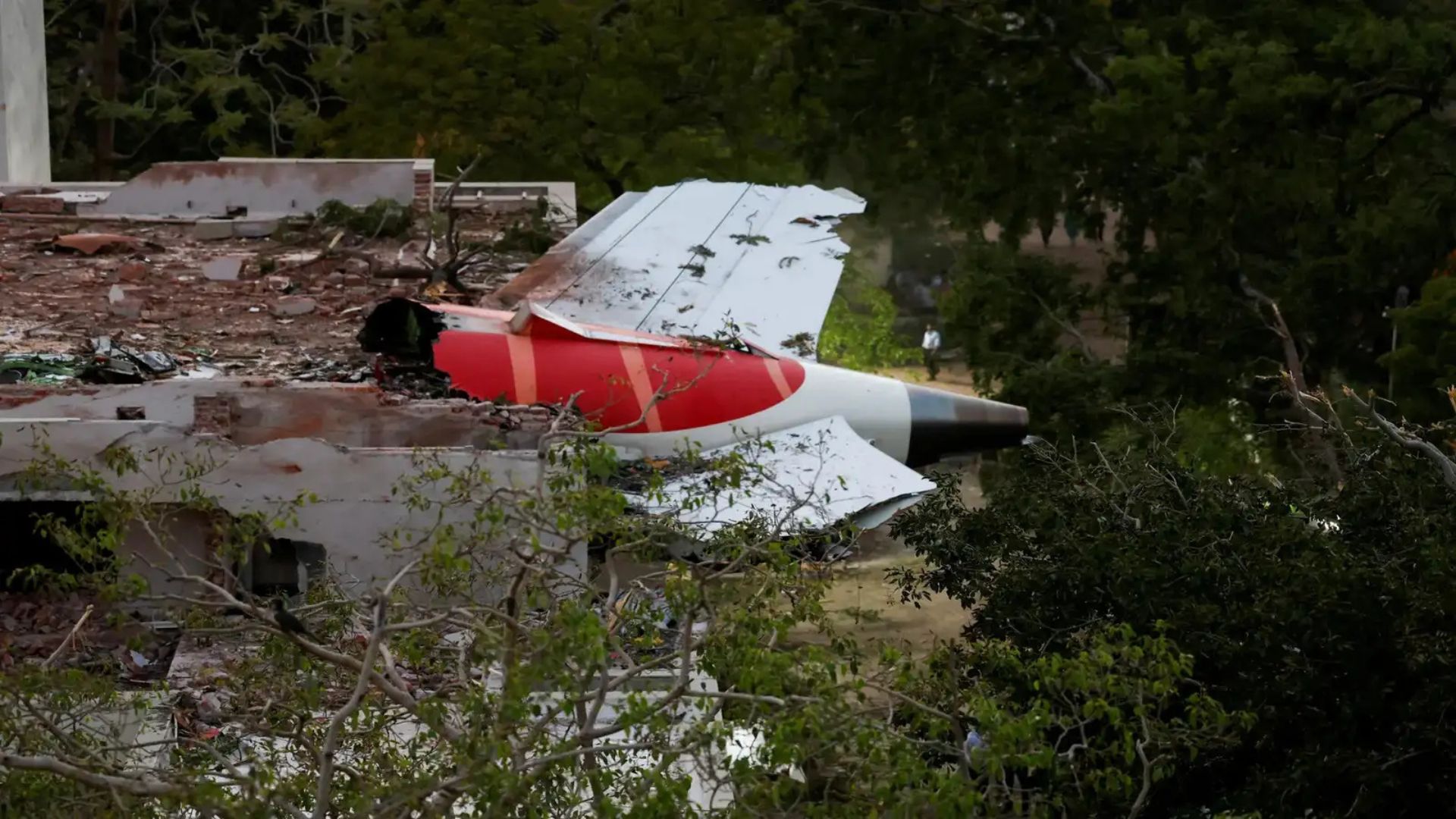
A month after the Air India Ahmedabad-London flight crashed tragically, the Air Accidents Investigation Branch (AAIB) put out a preliminary report over the weekend, throwing light on what happened in the minutes leading up to the calamity. The crash on June 12 killed 260 people, including 241 of the 242 aboard.
The report made some major revelations, but also left some key questions unans.wered
Fuel Cutoff Led to Engine Failure Just Seconds After Takeoff
As per the report, the two engine fuel switches “switched from RUN to CUTOFF position one after another with a time lapse of 01 sec” only three seconds after takeoff. This sudden cutoff shut off fuel supply to both engines, causing full power loss and causing the crash. Investigators were unable to ascertain what prompted the switches to move.
Common Crash Causes Ruled Out
The AAIB eliminated a number of typical factors for aviation tragedies. Weather, bird strikes, plane configuration, weight and center of gravity, fuel purity, and mechanical engine issues were all ruled out as possible causes.
Cockpit Confusion: “Why Did You Cut Off Fuel?”
The cockpit voice recorder provided a chilling conversation among the flight crew. First Officer Clive Kunder was in control, with Captain Sumeet Sabharwal observing. At the time of the critical phase, “one of the pilots is heard asking another why did you cutoff [fuel]. The other pilot replied that I did not do so.” This conversation strongly suggests an accidental action or unidentified trigger.
Crew Tried Recovery, But Altitude Was Not Enough
Although they acted fast, the pilots could not recover the aircraft. In less than 10–14 seconds after the fuel shutdown, the two pilots tried to reconfigure the engines to “RUN” again. The aircraft, however, was too low and did not have enough altitude and time to relight the engines. Jet engines need more time and higher altitude to relight reliably.
Switch Advisory in 2018 Casts Doubt
The report cited a 2018 advisory from the US Federal Aviation Administration (FAA) on fuel control switch locks. The bulletin noted that unlocked locking systems might increase switches’ vulnerability to vibration or accidental contact movement. The FAA did not require the recommendations but informed operators to regularly check locking engagement.
Unintentional Cutoff Suspected
The flight data and voice recording of the pilot indicate the fuel cutoff might not have been intentional. Although one pilot raised an eyebrow, another denied making the switch, pointing towards a potential mechanical or accidental reason. Yet again, the exact stimulus is still unknown.
Final Report Will Take Months or Years
The AAIB stressed the findings are preliminary and “subject to change” as analysis continues. A final, exhaustive report determining the likely cause may take several months or years to be finished.