
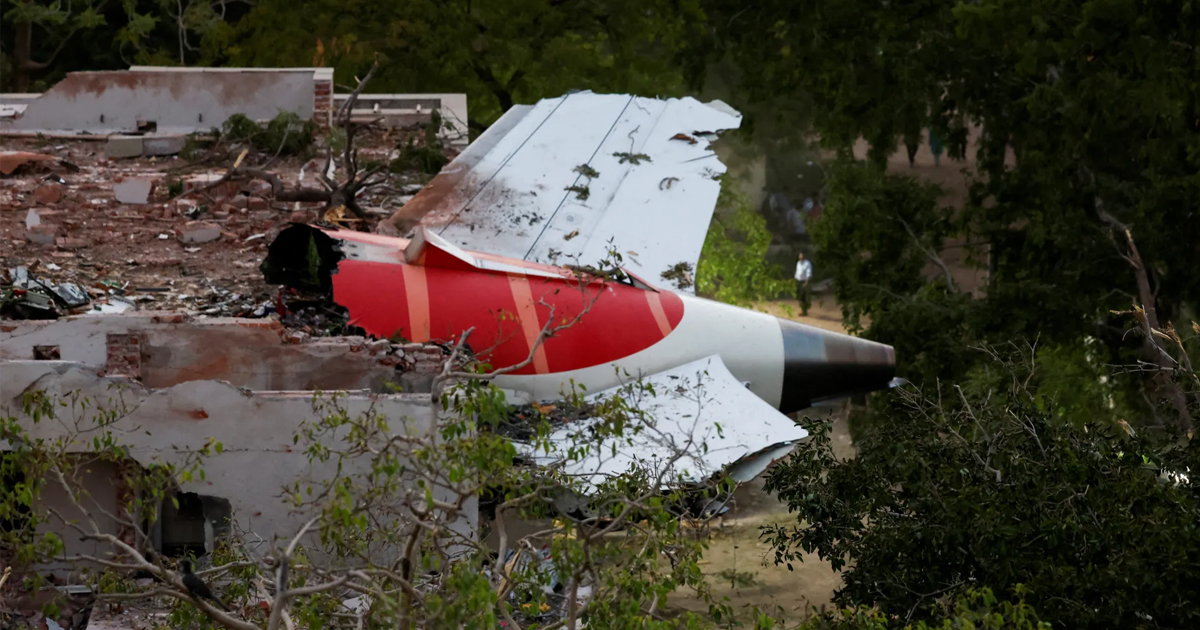
Air India has completed precautionary checks of the locking mechanisms of the Fuel Control Switch (FCS) on all its Boeing 787 and Boeing 737 aircraft successfully. This is a reaction to a crash last month involving one of its Boeing 787-8 Dreamliners and comes at the strict behest of the Directorate General of Civil Aviation (DGCA).
No. Problems were observed with the. Mentioned locking system during checks,” Air India announced a spokesperson. Meanwhile, Air India had begun voluntary checks on July 12, before the DGCA order, and finished them within the stipulated time frame. The. The same has been informed to the regulator.”
“Air India is. Committed to passenger and crew safety,” said the. Spokesperson.
Tragic Crash in Ahmedabad Sparks Safety Review
The checks have been initiated following a tragic accident on June 12, when Air India flight AI171, which flew from Ahmedabad to Gatwick in London, crashed just after it took off. The Boeing 787-8 plane crashed into a hostel building, killing 260, among them 19 on the ground. Of the 242 individuals on board, there was one surviving passenger.
This collision became one of Indian aviation history’s deadliest crashes and also raised severe doubts about cockpit procedures and mechanical safety measures.
Fuel Control Switches Under Question
The Aircraft Accident Investigation Bureau (AAIB) uncovered that both fuel control switches had been switched to the “CUTOFF” position at takeoff, leading to a loss of power in the engines as a result of fuel starvation. The switches, an essential part of controlling fuel flow to the engines, are normally used during engine startup or shutdown.
Their accidental triggering in mid-air has been at the heart of the investigation.
DGCA Issues Urgent Inspection Order
As a response, the DGCA released a mandatory advisory on July 14, asking all Indian operators of Boeing 787 and 737 aircraft to carry out detailed checks on FCS locking devices. It aligned with a Special Airworthiness Information Bulletin (SAIB) released by the US Federal Aviation Administration (FAA) in 2018.
Air India and its low-cost affiliate Air India Express, which has Boeing 737 single-aisle planes, complied with the directive promptly. The checks were completed much ahead of the July 21 deadline set by the DGCA.
Air India runs wide-body Boeing 787 aircraft for long-distance international sectors, while Air India Express covers domestic and regional sectors with Boeing 737s.
Although the inspections provide some comfort, the last AAIB report into the crash has yet to emerge and is due within a year. Meanwhile, Air India and others are under growing pressure to uphold strict safety measures and rebuild public confidence in air travel.