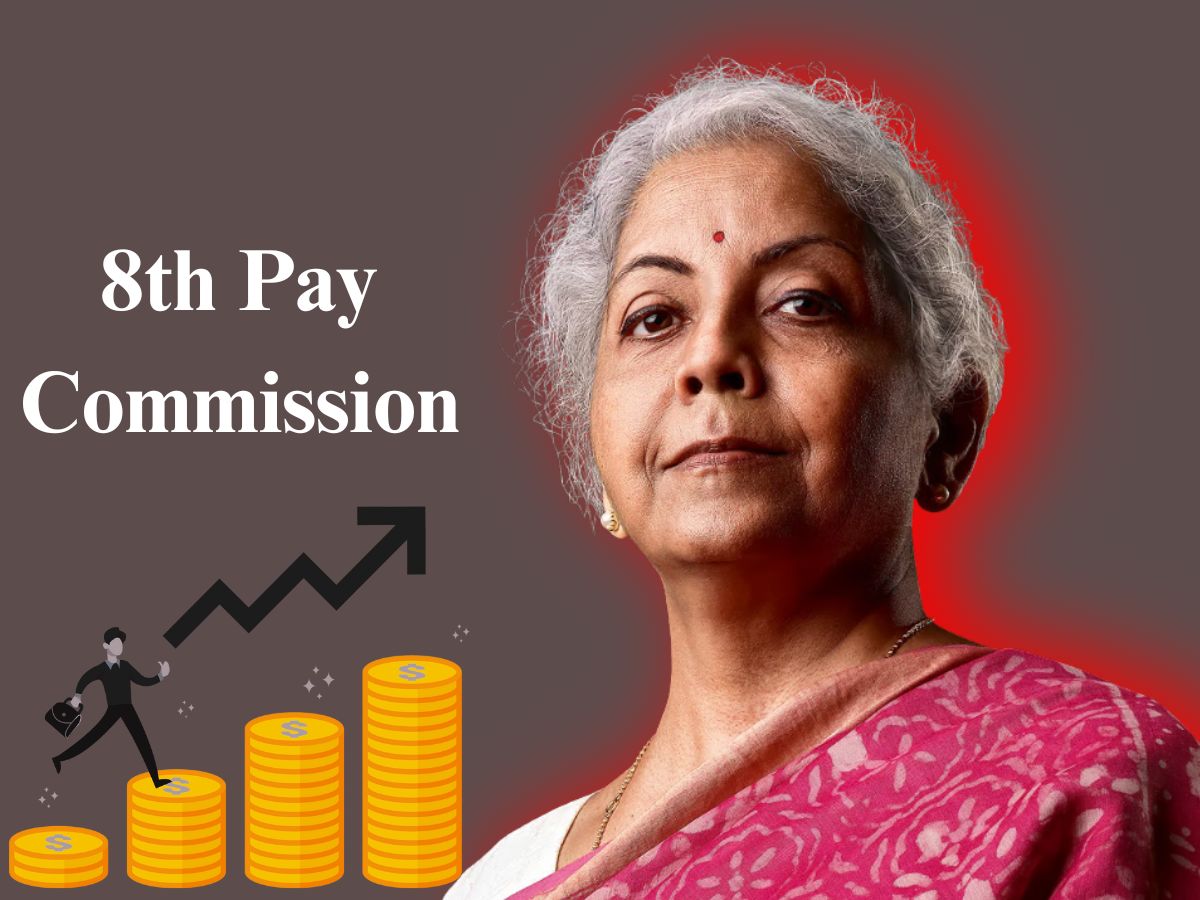
The 8th Pay Commission, effective from January 1, 2026, is expected to bring a huge change in the pay scale of India’s central government employees and pensioners. A crucial component of this revision would be the “fitment factor,” a factor used to multiply the existing basic pay to arrive at the new salary, potentially revising with substantial economic gains to crores of government employees.
ALSO READ | Stargate Centre in India Soon? OpenAI Starts Negotiations
Fitment Factor and Salary Slabs
The fitment factor shall be in the range of around 1.83 to 2.86, but some reports even indicate that it could go even higher, maybe even up to 3.0. This multiplier will fill the difference between the existing pay grade and the new salary grades, considering inflation, economic situation, and finance capability. For instance, assuming the fitment factor was 2.86, an employee drawing a basic pay of Rs. 20,000 would have their new salary increase to around Rs. 57,200. Likewise, the minimum basic pay that begins at the current level of Rs. 18,000 could go up to around Rs. 51,480 to Rs. 57,000, depending on the final factor agreed.
Revised Pay Matrix and Salary Structure
The 8th Pay Commission will implement a new pay matrix that clearly marks salary slabs and levels. The matrix takes into account job designations and seniority to provide uniformity across the grades. Anticipated hikes in salary across levels may be between approximately 13% and 34%, based largely on the government-decided fitment factor. Whereas the basic pay will undergo a substantive increase, the Dearness Allowance (DA) that is around 55% today will be set at zero and become merged with the new basic pay. This would imply that although the top-line hike appears to be high, the actual increment after factoring in DA resets will be tempered but still substantial.
ALSO READ | 8th Pay Commission: Overview and Probable Timeline
Allowances and Pension Impact
Apart from basic pay, other allowances like House Rent Allowance (HRA), Travel Allowance (TA), and other duty-based or place-based allowances will be re-calculated based on the new basic pay. The 8th Pay Commission could also follow the previous commission’s trend of removing or subsuming some minor allowances to rationalise the salary structure. Pensioners will benefit with probable increased pensions linked to new basic pay and DA, with early disbursements anticipated.
Implications for Employees
Increased revised wages will also affect contributions to such schemes as the National Pension System (NPS) and Central Government Health Scheme (CGHS), as these are based on basic pay. Therefore, the deductions will go up along with higher pay. Nevertheless, overall, the financial upgrade via raised pay slabs is likely to enhance the living style and purchasing capacity of central government employees and pensioners considerably.
ALSO READ | How to File ITR after Challan Payment? Check this step-by-step guide
What to Conclude?
8th Pay Commission pay slab revision via the fitment factor is a turning point revision anticipated to raise salaries across the board between 20% and 35%, and maybe more subject to government choices. A revised fitment factor between approximately 1.83 and 2.86 or even more is expected. The employees can look forward to huge hikes in their fundamental pay, an overhauled pay matrix, and streamlined allowances structure from January 2026. With this pay revision, around 49 lakh government servants and 65 lakh pensioners in India will be benefitted, boosting financial stability against the increasing inflation and other dynamics.