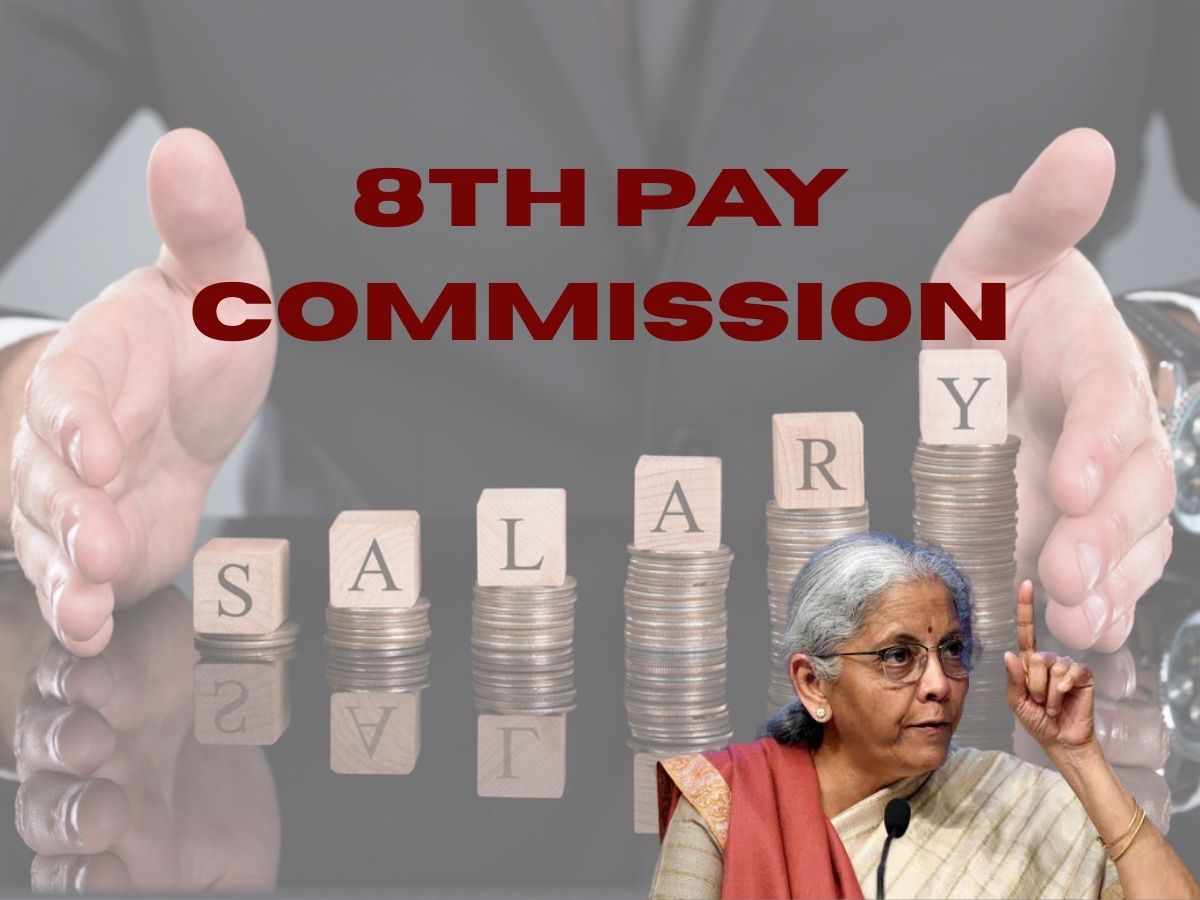
The long-awaited 8th Pay Commission is going to herald sweeping changes in the wage structure of central government employees and pensioners in India. Approved by the Union Cabinet in January 2025, its implementation is anticipated from January 1, 2026. The commission is trying to meet increasing inflation, economic conditions, and increased needs of government employees by restructuring salaries, pensions, and allowances in an overall manner.
Key Highlights of the 8th Pay Commission
The 8th Pay Commission provides for a proposed fitment factor of about 2.28, which translates to a hike of about 34.1% in the minimum pay of government employees. The minimum pay is estimated to go up from ₹18,000 to about ₹41,000 per month. The commission is expected to benefit around 48.6 lakh employees and 67.8 lakh pensioners, including defence personnel.
Salary Structure and Allowances
Salaries will be reworked by using the fitment factor over the current basic pay. Major allowances such as Dearness Allowance (DA), House Rent Allowance (HRA), and Travel Allowance (TA) will be recalculated against the new basic pay. Interestingly, the DA of about 55% now is likely to become part of the basic salary with the new pay commission, having an impact on the effective increase but making the salary structure simpler.
Pension Revisions
Retirees’ pensions are also likely to rise significantly. The minimum pension can go up to around ₹17,280 while the highest pensions can go up to ₹2.88 lakh. On-time disbursement and inflationary adjustments are major priorities of the 8th Pay Commission.
Timeline and Expectations
Though the commission has been sanctioned, its formal constitution, such as appointment of members and completion of terms of reference, is in progress. Traditionally, pay commissions take two years to make recommendations, with government clearance and implementation possibly spilling into early 2028. Still, the salary adjustments will be calculated retrospectively from January 2026, with arrears for employees and pensioners.
Economic Impact and Employee Benefits
Aside from individual benefits, the 8th Pay Commission pay raises are also seen to increase consumption and drive economic growth. Better salaries and pensions will enhance the financial well-being and spirits of millions of central government workers, allowing them to deal with increasing living expenses wrought by inflation.
Challenges and Way Forward
Delays in implementation, funding issues, and maintaining fair remuneration across cadres are still issues. The government is consulting stakeholders to achieve a balance of employee interests and fiscal responsibility. Streamlined systems of allowances and improved pension schemes are among expected reforms.
In conclusion, the 8th Pay Commission holds a major salary and pension increase that will bring India’s government pay system up to date with economic demands today. Central government employees and pensioners are looking forward to its official implementation beginning January 2026 in hopes of enhanced living standards and economic stability.